Best Lenses for Wildlife Photography: Top Picks for 2025
Wildlife photography demands reach, sharpness, and reliable stabilization. With a mix of Canon, Sony, and third‑party options, shooters can tailor gear to birds in flight, distant mammals, or elusive creatures. The five lenses below balance reach, weight, and image quality, offering choices for different camera systems and budgets. The quick table below helps compare core specs at a glance.
| Product | Brand | Focal Range | Key Feature |
|---|---|---|---|
| Canon RF100-400mm F5.6-8 IS USM Black | Canon | 100-400mm | Optical Stabilizer up to 5.5 stops (up to 6 with IBIS) |
| Canon RF200-800mm F6.3-9 IS USM | Canon | 200-800mm | Extender compatible; long reach up to 800mm |
| Sony FE 200-600mm F5.6-6.3 G OSS | Sony | 200-600mm | 5x zoom; OSS; light for its class |
| Tamron 70-300mm F/4.5-6.3 Di III RXD | Tamron | 70-300mm | Lightweight; 15 elements in 10 groups |
| Big Mike’s 500mm/1000mm f/8 Manual Telephoto | Big Mike’s | 500-1000mm | 2x teleconverter capable; deep reach |
Canon RF100-400mm F5.6-8 IS USM Black

The Canon RF100-400mm F5.6-8 IS USM is a compact telephoto zoom designed for wildlife and action shooters. Its versatile 100-400mm focal range makes it suitable for both birds in flight and larger mammals at moderate distances, while remaining portable for field use. Optical Image Stabilization provides up to 5.5 stops of shake correction, helping keep shots sharp in handheld scenarios. When paired with EOS R series cameras featuring In-Body Image Stabilization (IBIS), users can gain up to about 6 stops of stabilization, improving performance in low light or with slower shutter speeds.
With a lightweight design and fast autofocus, this lens suits photographers who need reach without excessive bulk. It pairs well with a wide range of Canon bodies and offers solid image quality for travel, nature, and event shooting. While not the longest option, its balance of reach, portability, and stabilization makes it a reliable daily driver for wildlife work in diverse environments.
Canon RF200-800mm F6.3-9 IS USM Super-Telephoto Zoom

The Canon RF200-800mm F6.3-9 IS USM stands out for its remarkable reach, extending from 200mm to 800mm. It’s pitched as an AF super-telephoto zoom, enabling clear framing of distant wildlife, birds, and outdoor action. The long end reaches farther than many standard wildlife lenses, helping isolate subjects in open habitats. The lens supports Extender RF1.4x and Extender RF2x, preserving focal ranges across different lengths, which adds versatility for field crafts and birding scenarios where distance and flexibility matter the most.
Designed for lightweight handling on mirrorless bodies, this zoom delivers a practical balance between reach and portability. While maximum aperture narrows at the long end, the combination of reach, stabilization, and extender compatibility makes it a compelling option for wildlife photographers who frequently work at distance or in open terrains. It serves well for birds, mammals, and action where space to maneuver is a factor.
Sony FE 200-600mm F5.6-6.3 G OSS
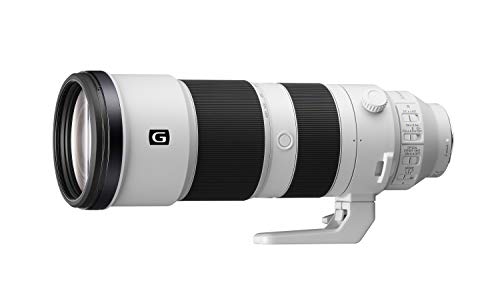
The Sony FE 200-600mm F5.6-6.3 G OSS is a versatile super-telephoto zoom built for Sony’s E-mount mirrorless systems. Spanning 200-600mm, it offers a broad telephoto range suitable for birds, mammals, and distant action, with a 5x zoom factor that lets photographers adjust framing quickly. The Optical SteadyShot (OSS) system helps stabilize handheld shots, making it easier to capture sharp wildlife imagery even when a tripod is impractical. At roughly 22 ounces, it is relatively light for its reach, aiding field wearability and long shoots.
Designed to work with contemporary Sony bodies, this lens emphasizes image quality and autofocus performance across the zoom range. Its balance of reach, stabilization, and portability makes it a strong choice for wildlife shooters who prefer Sony’s camera ecosystem and need flexibility for varied subjects and distances.
Tamron 70-300mm F/4.5-6.3 Di III RXD For Sony

The Tamron 70-300mm F/4.5-6.3 Di III RXD for Sony is a compact and affordable telephoto option that emphasizes portability without sacrificing too much reach. It features a modern optical design with 15 elements in 10 groups, helping deliver clear, creative wildlife imagery across its zoom range. The lens is particularly well-suited for travelers and hobbyists who want a lightweight telephoto that still covers a meaningful wildlife focal span, from mid-range composition to distant subjects as needed.
Close focusing and balanced handling enhance its practicality for fieldwork, from small mammals at mid distances to birds perched in trees. While not the longest option, its light weight and reasonable price make it a practical entry point for Sony shooters seeking better reach than standard zooms and a portable alternative to heavier telephotos.
Big Mike’s 500mm/1000mm f/8 Manual Telephoto

This manual telephoto lens delivers an affordable path to extreme reach for Canon DSLR users. The base 500mm length can be extended to 1000mm with a 2x teleconverter, allowing photographers to frame distant wildlife with remarkable isolation. The lens construction prioritizes high-index, low-dispersion glass to maintain sharpness and color accuracy across the image plane, making it a capable option for long-range fieldwork when strong manual focus skills are employed.
Manual focus requires experience and patience, but the payoff is an exceptionally long reach at a relatively low cost compared with high-end super-tele primes. It is best suited for static subjects or situations where autofocus performance is limited by distance. This lens is especially appealing for dedicated wildlife shooters who value reach and budget balance, and who are comfortable working manually in suitable lighting conditions.
Buying Guide
Camera System Compatibility
Choose a lens that matches your camera system: Canon RF glass for Canon RF bodies, Sony E-mount glass for Sony shooters, or third‑party designs that cover multiple mounts. Extender compatibility can add optional reach, but factors like autofocus speed and image quality at the long end may vary with extenders. If you shoot with a camera that has in-body stabilization (IBIS), pairing it with a stabilized lens often yields the best handheld performance.
Focal Length Range And Versatility
Wildlife subjects require reach, but not always the same reach. Lenses like 100-400mm cover a broad range for close wildlife and mammals, while 200-800mm or 200-600mm provide more distant framing for birds and shy animals. A longer end is valuable in open habitats, but consider weight and balance for all-day field use. A versatile zoom that covers multiple scenarios can reduce the need for multiple prime lenses.
Image Stabilization And Autofocus
Effective stabilization (OSS, IBIS, or both) is crucial for sharp handheld wildlife shots, especially at longer focal lengths. Autofocus speed and accuracy determine success with moving subjects. If you frequently shoot birds in flight or fast mammals, prioritize lenses with strong AF performance and robust stabilization to maximize keeper rates.
Weight, Handling, And Build
Long telephotos can be heavy and awkward to carry. Look for balanced designs, comfortable grips, and reliable tripod collars or foot supports. Weather sealing and rugged builds help when shooting in rain, dust, or humidity common in outdoor wildlife environments. For field use, a lens with a compact footprint at the shorter end can be a big advantage for mobility.
Budget, Value, And Real-World Performance
Prices vary widely across telephotos, from budget-friendly options to premium glass. Consider total cost of ownership, including maintenance, possible extenders, and the value of lighter weight or faster autofocus. Real-world tests often reveal differences in sharpness, color rendition, and bokeh that aren’t obvious from spec sheets alone. Balance your needs with your budget to select the best all-around tool for your subjects and environments.