Best Lenses for Wildlife Photography: Top Picks for Clear, Reach-Ready Shots
Wildlife photography demands long reach, sharp detail, and reliable autofocus. The right lens helps you fill the frame with birds in flight, mammals at a distance, or shy creatures in the brush without disturbing them. Below are five highly capable options across a range of budgets and camera systems, with image stabilization and fast focusing to capture critical moments in nature. This guide highlights features, compatibility, and practical considerations to help you choose the best wildlife lens for your setup.
Summary of Selected Products
| Product | Brand | Focal Range | Key Feature | Notes |
|---|---|---|---|---|
| Canon RF 200-800mm F6.3-9 IS USM | Canon | 200-800mm | Built-in Image Stabilization | Excellent reach for birds and distant wildlife |
| Canon RF100-400mm F5.6-8 IS USM | Canon | 100-400mm | Lightweight, versatile zoom | Balanced option for travel and field work |
| Canon RF100-500mm F4.5-7.1 L IS USM | Canon | 100-500mm | Professional L-series build | Great image quality with solid stabilization |
| Sony FE 200-600mm F5.6-6.3 G OSS | Sony | 200-600mm | Fast, quiet focus; excellent resolution | Best for Sony mirrorless systems |
| Tamron 70-300mm F/4.5-6.3 Di III RXD | Tamron | 70-300mm | Ultra-lightweight for portability | Great value with decent range |
Canon RF 200-800mm F6.3-9 IS USM Lens

Canon’s RF 200-800mm F6.3-9 IS USM offers an unprecedented telephoto range in a relatively compact body. The built-in image stabilization helps maintain sharp handheld shots at full reach, while the telephoto end of 800mm enables dramatic close-ups of distant wildlife. Compatibility with extenders RF1.4x and RF2x expands your range without swapping lenses. This lens is designed for wildlife, birds in flight, and fast outdoor action, providing flexibility from 200mm to 800mm while maintaining workable weight for field use.
Canon EF 70-300mm f/4-5.6 IS II USM

The Canon EF 70-300mm f/4-5.6 IS II USM provides a versatile Telephoto zoom range suitable for wildlife and general photography. It integrates a fast Ultrasonic Motor (USM) for quick autofocus and an Image Stabilizer capable of several stops of shake reduction. This lens remains a practical option for photographers who want a balance between reach, weight, and budget while covering common wildlife subjects from afar.
Canon RF100-400mm F5.6-8 IS USM

This compact RF tele-zoom covers a flexible 100-400mm range with optical image stabilization. It is well-suited for quick wildlife shots, birds in flight, and travel photography where size and weight matter. The lens balances performance with portability, offering reliable autofocus and decent edge-to-edge sharpness on full-frame and APS-C bodies.
Canon RF100-500mm F4.5-7.1 L IS USM

The RF100-500mm L-series lens combines sharpness, range, and a robust build. With up to five stops of stabilization, this white L-lens delivers excellent performance in low light and at long focal lengths. It suits wildlife photographers who need reliable tracking, astute color rendition, and professional durability in the field.
Sony FE 200-600mm F5.6-6.3 G OSS
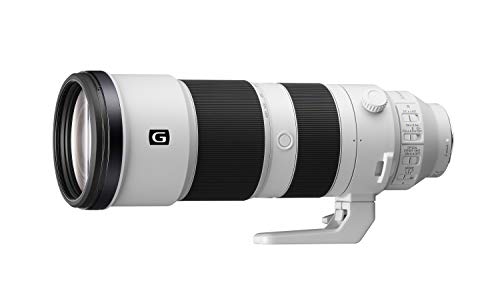
The Sony 200-600mm G OSS is a standout option for Sony mirrorless users seeking a long reach with fast, quiet autofocus and robust optical stabilization. It delivers high-resolution images across the zoom range and minimizes flare with advanced lens elements. The lightweight design supports handheld shooting and reliable birding or wildlife captures in the field.
Tamron 70-300mm F/4.5-6.3 Di III RXD

The Tamron 70-300mm Di III RXD is notable for lightweight portability and a versatile range for Sony E-mount. It offers good image quality across the zoom range and a compact form factor, making it an appealing option for wildlife photographers who prioritize travel-friendly gear and budget-conscious choices without sacrificing too much reach.
Buying Guide: Key Purchase Considerations
- Camera System Compatibility: Ensure the lens mounts to your body (RF for Canon, E-mount for Sony, etc.).
- Focal Range Needs: For distant wildlife, 300-600mm or longer is often essential. For birds, a 400-800mm range can dramatically improve framing.
- Aperture and Light Conditions: Higher telephoto reach often comes with slower maximum apertures; plan for support like IS/IBIS or external lighting in low light.
- Autofocus Performance: Fast, accurate AF is critical for moving subjects. USM, Linear Motors, and OSS/IBIS integration improve tracking in the field.
- Image Stabilization: Lenses with effective stabilization (often 4–6 stops) help maintain sharp handheld shots at long focal lengths.
- Weight and Handling: Longer telephotos can become heavy; consider your stamina, tripod use, and field usage patterns.
- Budget and Value: Higher-end L-series or G-series lenses offer superior optics and durability, but premium cost may be offset by image quality gains over time.
- Accessory Compatibility: Extenders and filters can expand versatility but may affect autofocus speed and image quality; verify compatibility.
In wildlife work, the best choice balances reach, stabilization, autofocus reliability, and portability. For Sony and Canon RF ecosystems, the longer-range options with professional stabilization deliver the most versatility for birding, mammals, and action scenes. For travel-heavy photographers, lighter zooms offer practicality, while budget-minded shooters can still achieve solid results with versatile mid-range lenses.