Best Lenses for Bird Photography: Reach, Clarity, and Versatility
Bird photography demands reach, sharpness, and reliable autofocus. The following handpicked lenses cover a range of camera systems and budgets, from super-telephoto zooms to adaptable telephotos. Each option emphasizes long reach, solid image quality, and weather resistance to help capture crisp bird portraits and action in the wild.
Summary of selected products:
| Product | Brand | Approx. Reach | Mount | Notes |
|---|---|---|---|---|
| Sigma 150-600mm Contemporary | Sigma | 150-600mm | Nikon | OS, HSM, weather-sealed, first in Contemporary line |
| JINTU 420-800mm Manual Telephoto | JINTU | 420-800mm | Canon (with adapters) | Full metal body, lightweight, versatile with adapters |
| Yanuoda 420-800mm Telephoto | Yanuoda | 420-800mm | Multiple mounts | Full-frame capable, 3 T-mount adapters |
| Canon EF 70-300mm f/4-5.6 | Canon | 70-300mm | Canon EF | EMD features, budget-friendly telephoto |
| Canon RF 75-300mm f/4-5.6 | Canon | 75-300mm | RF | Compact for RF mount, APS-C compatible |
Sigma 150-600mm Contemporary for Nikon

The Sigma 150-600mm F5-6.3 DG OS HSM Contemporary is a long-reach zoom designed for Nikon mounts. With a 150-600mm focal range, it provides flexible telephoto coverage for distant birds, from passerines to waterfowl at a good working distance. The lens incorporates Optical Stabilization (OS) to help steady handheld shooting and a Hyper-Sonic Motor (HSM) for quiet, rapid autofocus—beneficial when tracking swift birds in flight. A minimum focusing distance of 280 cm offers close-up options, while weather-resistant mounting provides some weather sealing for field work. The 95mm filter size keeps overall size manageable for travel setups.
Key considerations:
- Pros: Great reach for a mid-to-upper budget; OS helps in low-light or slower shutter scenarios; relatively portable for a 600mm class lens.
- Cons: Variable maximum aperture across the zoom range (f/5-6.3) means less light at longer focal lengths; weight can still be substantial for long breaks in field usage.
- Best use: Birds in open habitats, waterfowl, and distant perched birds where you can compose with ample distance.
Canon RF 75-300mm f/4-5.6 Telephoto Zoom

The Canon RF 75-300mm f/4-5.6 Compact Telephoto Zoom is a versatile option for Canon RF-mount cameras, including full-frame and APS-C bodies. Its 75-300mm focal range provides an approachable telephoto length for birds in broad habitats. While lighter on weight and cost, the lens covers a broad range that’s practical for fieldwork, especially for enthusiasts who want to travel light. This lens is designed to balance performance with portability and can be a strong starter for wildlife photography on RF systems.
Key considerations:
- Pros: Lightweight, affordable entry into RF telephotos; good reach for distant birds; compact for travel.
- Cons: The maximum aperture of f/4-5.6 can limit performance in low light; autofocus performance is serviceable but not as fast as higher-end pro telephotos.
- Best use: General bird photography in daylight, perched birds, and mid-distance action where size and weight are constraints.
Canon EF 75-300mm f/4-5.6 III Lens Bundle

This bundle pairs the Canon EF 75-300mm f/4-5.6 III with practical accessories, offering a cost-effective kit for budding bird photographers. The lens features a full-frame EF-mount design with Super Spectra Coatings to help reduce flare and ghosting, along with a DC Micro Motor AF system for smoother autofocus. The 7-blade diaphragm aids in pleasing background bokeh when shooting portraits of birds against soft backgrounds. A good option for those using older Canon DSLRs who want a budget-friendly telephoto option.
Key considerations:
- Pros: Good value with accessories; compatible with older Canon cameras; approachable focal range.
- Cons: Build and performance are modest compared to modern high-end telephotos; not ideal in challenging lighting or fast action scenes.
- Best use: Beginner wildlife photography, beginners upgrading from standard kit lenses, and casual bird watching.
Canon EF 70-300mm f/4-5.6 USM

The Canon EF 70-300mm f/4-5.6 USM lens offers a longer reach on Canon EOS DSLRs. It features a 70-300mm zoom range with a modest initial aperture and an Ultra-Sonic Motor (USM) for quick focusing. The macro focus option at closer distances supports detail shots of perched birds, and the electro-magnetic diaphragm helps produce consistent exposure at larger apertures. This lens balances reach, speed, and budget for wildlife photographers using older Canon bodies.
Key considerations:
- Pros: Longer reach than typical standard zooms; USM provides responsive AF; useful macro-like close focusing.
- Cons: Variable aperture across zoom range; not the latest optical coatings compared with modern glass.
- Best use: Field observation of birds at mid-to-long distances, travel photography with a single versatile lens.
JINTU 420-800mm Manual Telephoto
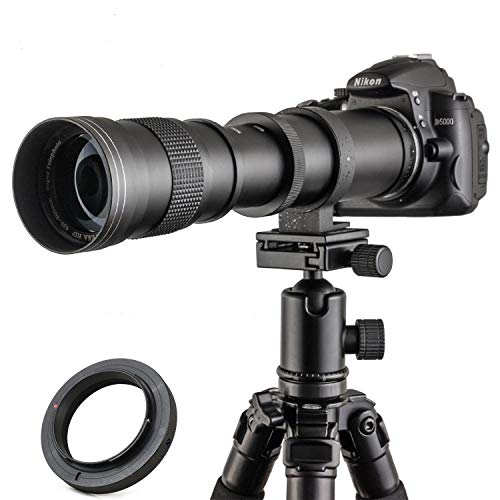
The JINTU 420-800mm manual telephoto provides an extremely long reach at an accessible price. It uses a full metal body for durability and includes a weight-conscious design suitable for field use, with a compact footprint for its focal range. The kit mentions compatibility with multiple camera brands via adapters, and the long focal range is ideal for distant birds in large landscapes. Note that manual focus requires patience and technique, particularly for distant, small subjects in windy conditions.
Key considerations:
- Pros: Exceptional reach for distant birds; relatively affordable for very long focal lengths; durable build.
- Cons: Manual focus can be challenging in dynamic bird photography; adapter compatibility may vary by camera.
- Best use: Distant bird studies, wildlife observation, and situations where autofocus may struggle due to limited light or contrast.
Yanuoda 420-800mm Telephoto
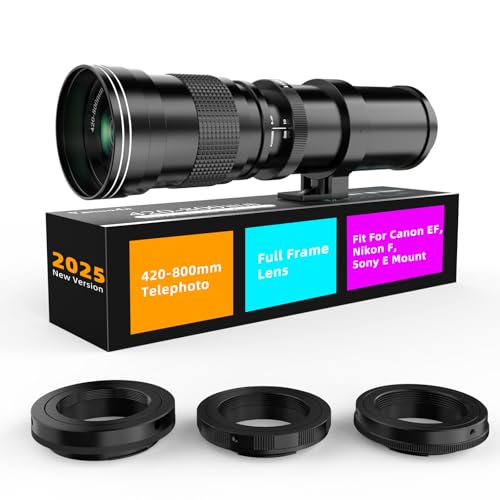
The Yanuoda 420-800mm Full Frame Telephoto Zoom lens targets long-reach wildlife photography with adaptability for different camera systems via multiple T-mount adapters. It’s designed to work on full-frame sensors while remaining effective on APS-C bodies, effectively increasing reach on smaller sensors. This makes it a flexible option for bird photographers who want a budget-friendly long lens with cross-brand adaptability. The included adapters and full-frame framing potential can help capture distant subject details from safe viewing distances.
Key considerations:
- Pros: Wide focal range, adaptable with Canon, Nikon, and other mounts; useful for moon and wildlife shots beyond birds as well.
- Cons: Image quality may vary with adapters; manual operation and construction quality depend on the specific unit.
- Best use: Budget-conscious wildlife photographers seeking a flexible long-zoom option for diverse bodies.
Buying Guide: Key Purchase Considerations for Bird Photography Lenses
When choosing a lens for birds, consider reach, brightness, autofocus performance, weight, and weather resilience. Longer focal lengths let you keep distance from skittish subjects, while faster apertures improve performance in low light and freezing action. Autofocus speed and accuracy are critical for birds in flight or sudden movements, so evaluate the lens’ motor and focusing system. Weather sealing helps in dewy mornings or windy shoreline shoots, and weight impacts long treks or all-day field work. Consider your camera system—Canon RF, Canon EF, Nikon F, or other mounts—and whether you’ll need adapters for cross-brand flexibility.
Comparison snapshot by use case:
- Best overall wildlife reach: Lenses in the 400-600mm range with fast AF and OS/USM. These balance reach and performance for most bird subjects.
- Best budget option: Older or compact telephotos that still deliver solid reach but with slower autofocus and smaller maximum apertures.
- Best for travel: Lighter, shorter telephotos combined with image stabilization; ideal if you’ll photograph both birds and landscapes.
- Adapter-friendly setups: Lenses designed for multiple mounts or those with readily available adapters can maximize cross-brand flexibility for hobbyists who shoot different systems.
Additional tips for optimal results:
- Use a sturdy tripod or monopod when using longer focal lengths to minimize camera shake.
- Pair long lenses with a fast shutter speed to freeze wing movement; consider higher ISO if lighting is poor.
- Pre-focus on known perches or anticipated flight paths to reduce AF hunting in dynamic scenes.
- Practice technique with perched birds first before attempting fast in-flight shots.