Best L Mount Lenses for Full-Frame Cameras in 2026
For full-frame mirrorless shooters using the L-Mount system, selecting the right lens can elevate both stills and video. This guide highlights five versatile L-Mount full-frame lenses chosen for良 different needs—portraits, street and travel, landscapes, and general-purpose zoom. Each option is explained with who it’s best for, why it stands out, and a key limitation to consider. Whether you’re upgrading your kit or building a new setup, these picks help you compare performance, size, and value at a glance.
| Product | Best For | Why It Stands Out |
|---|---|---|
| Panasonic LUMIX S 50mm F1.8 | Bright f/1.8, smooth defocus, solid video control | |
| TTArtisan 40mm F2 L | Lightweight, fast AF, good edge-to-edge sharpness | |
| Panasonic LUMIX S 85mm F1.8 | Excellent bokeh, compact for an 85mm | |
| Sigma 24-70mm F2.8 DGDN II (L-Mount) | Constant fast aperture, broader range | |
| VILTROX 16mm F1.8 L-Mount | Very wide angle, strong low light performance |
Panasonic LUMIX S Series 50mm F1.8 Lens (S-S50)
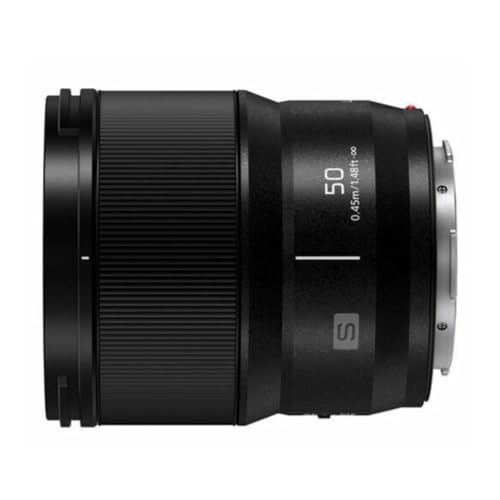
The Panasonic LUMIX S 50mm F1.8 is a compact, versatile prime designed for full-frame L-Mount cameras. The 50mm focal length offers natural perspective for portraits and everyday photography, with a bright F1.8 aperture for subject isolation and pleasing bokeh. It pairs well with video work thanks to smooth aperture control and limited focus breathing, aiding steady handheld shooting. Best for: freelance portrait shooters and vloggers who want a lightweight option without sacrificing image quality. Caution: not a zoom, so framing requires movement or stepping; consider pairing with a zoom if you need flexibility.
TTArtisan 40mm F2 L (AF) for L-Mount

The TTArtisan 40mm F2 L is a lightweight AF prime for L-Mount cameras. Its 40mm focal length feels natural for street and travel photography, and the lens uses an STM motor for quiet, quick focusing. It delivers solid image quality with controlled chromatic aberration and good edge-to-edge sharpness for its class. Best for: photographers seeking a compact, affordable prime with autofocus. Caution: build is lightweight and may feel less robust than heavier metal-bodied options in rough conditions.
TTArtisan AF 40mm F2 (Silver) for L-Mount

This TTArtisan AF 40mm F2 in silver adds a distinct look while maintaining similar performance to the black variant. It offers a true-to-life perspective with a comfortable minimum focus distance and a bright f/2 aperture for low-light situations. Best for: creators who want a lightweight, stylish option with reliable autofocus. Caution: color may chip with heavy handling; consider protective care if you travel frequently.
Sigma 24-70mm F2.8 DGDN II for L-Mount

The Sigma 24-70mm F2.8 DGDN II provides a versatile zoom range with a constant fast aperture, making it ideal for event photography, weddings, and documentary work. It’s compatible with Leica, Panasonic, and Sigma L-Mount cameras, offering flexibility across bodies. Best for: photographers who want a single, capable lens for a wide range of subjects. Caution: slightly heavier and larger than prime options; balanced handling is important on smaller bodies.
VILTROX 16mm F1.8 L-Mount

The VILTROX 16mm F1.8 is an ultra-wide option with a bright F1.8 aperture and built-in LCD. Its 16mm focal length delivers expansive landscape and architectural views, while the wide aperture helps in low-light scenes. Best for: landscape photographers and interior shooters who need broad coverage and good edge-to-edge sharpness. Caution: extreme wide-angle can introduce perspective distortion; framing may require careful composition.
Buying Guide: Key Considerations For L-Mount Full-Frame Lenses
Compatibility matters: ensure the lens is designed for L-Mount full-frame bodies to maximize image circle and autofocus performance. Consider your primary subjects—portraits, landscapes, travel, or events—and pick focal lengths that align with your style. Size, weight, and balance affect daily shooting comfort; lighter primes are ideal for all-day wear, while faster apertures (like f/1.8 or f/2) excel in dim light and subject isolation. Image quality should be weighed against price and portability, as some zooms offer flexibility at the cost of added weight. For video work, check focus breathing, autofocus speed, and consistency across focal lengths.
How to choose by scenario:
- Portraits: prioritize fast apertures (f/1.8 or faster) and pleasing bokeh. The 50mm and 85mm options fit well here.
- Travel and street: aim for compact, lightweight primes like 40mm or 16mm with reliable autofocus.
- Events and versatility: a 24-70mm zoom provides coverage across scenes with a constant f/2.8.
- Landscapes and architecture: ultra-wide lenses like 16mm help capture sweeping scenes with strong detail.
Frequently Asked Questions
- What is L-Mount compatibility?
Answer: L-Mount is a standardized mount used by Panasonic, Leica, and Sigma, enabling cross-brand compatibility with full-frame mirrorless cameras. - Which lens is best for portraits on L-Mount?
Answer: The 50mm F1.8 and 85mm F1.8 primes are strong portrait choices due to their flattering focal lengths and wide maximum apertures. - Are zoom lenses better than primes for travel?
Answer: Zooms offer flexibility across scenes, while primes typically provide faster apertures and smaller size. Choose based on how you shoot. - Is autofocus reliable on third-party L-Mount lenses?
Answer: Reputable brands like TTArtisan, VILTROX, and Sigma generally provide reliable AF, but performance may vary by body and firmware. - Will these lenses work on all L-Mount bodies?
Answer: They are designed for full-frame L-Mount cameras and should be compatible with major L-Mount bodies, though always verify firmware compatibility.