Best IR Neutral Density Filters for Photography and Video
The best IR neutral density filters reduce light while preserving color accuracy, preventing infrared color shifts in long exposures. This guide focuses on five top options that balance true color, durable builds, and practical use for landscape, city, and videography work. Ideal buyers include outdoor landscape shooters needing long exposures, videographers requiring frame-rate control, and enthusiasts seeking affordable yet serious ND options. Below is a quick comparison of chosen products to help you pick quickly.
| Brand | Name | ||
|---|---|---|---|
| Hoya | IRND64 52mm HD Mk II | 6-stop | Accu-ND color accuracy; IR cut tech |
| Hoya | PRO ND-EX 77mm ND8 | 3-stop | True colors; no IR leaks |
| NiSi | 82mm ND64 IR | 6-stop | Slim frame; IR reduction |
| NiSi | 77mm ND64 IR | 6-stop | Stackable, easy attachment |
| Hoya | PRO ND-EX 77mm ND1000 | 10-stop | Very long exposures; true color with IR block |
Note: The five selections above emphasize infrared blocking, consistent color rendering, and practical sizes for common lens diameters. Each entry includes why it’s best for certain shooting scenarios and a simple caution to help avoid common pitfalls when using strong ND filters in bright conditions.
Hoya 52mm ND Filter HD Mk II IRND64

This 52mm IRND64 filter uses ACCU-ND technology to maintain consistent color accuracy across densities. It reduces light by six stops while preventing infrared interference, helping you achieve natural tones in long exposures or video. Best for photographers and videographers who need predictable results when switching between ND levels. A potential limitation is the 52mm size, which fits smaller lenses and may require step-down rings for larger prime lenses.
Hoya PRO ND-EX 77mm ND8

This 3-stop ND filter emphasizes true color with ACCU-ND technology, blocking color shifts across the spectrum and preventing infrared leakage. It’s ideal for photographers seeking reliable color in bright conditions and for videographers needing steady exposure control. Opt for this if you shoot with 77mm lenses and want dependable color fidelity. Avoid this if you need stronger light reduction in extremely sunny scenes without stacking additional filters.
NiSi 82mm ND64 IR
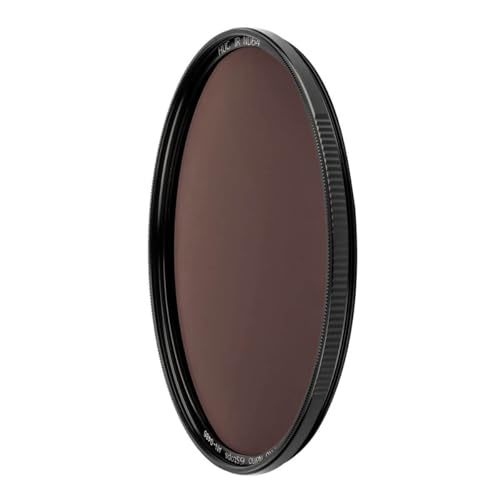
The 82mm ND64 IR filter from NiSi offers a six-stop light reduction with an IR-blocking design and a slim aluminum frame for easy stacking. It’s best for professionals who use larger lenses and want a compact, stackable solution for long-exposure landscapes. Consider this if you frequently stack ND filters; the 82mm size may require compatible lens threads and step-down rings for smaller lenses.
NiSi 77mm ND64 IR
This 77mm option mirrors the NiSi 82mm approach with a 6-stop reduction and IR blocking, designed for easy compatibility with standard filter threads. It’s best for photographers using 77mm lenses or those who want to stack with other filters. A limitation to note is potential vignetting on ultra-wide lenses if the frame is too close to the lens edge when stacked.
Hoya PRO ND-EX ND1000 77mm

The 10-stop ND1000 filter enables ultra-long exposures in bright light, enabling dramatic cloud motion and silky water. ACCU-ND tech maintains color accuracy, while infrared blocking protects against color casts in shadows. Best for daylight landscapes and creative motion effects. Choose this if your camera setup permits a 77mm lens and you need maximum light reduction; avoid if you don’t plan to manage long exposure time or filter stacking complexity.
Buying Guide
What size do I need? Start with your lens diameter. Common sizes are 52mm, 77mm, and 82mm; choose a filter that matches or use step-up/step-down rings if needed. Do I need infrared blocking? If you shoot long exposures in bright sun or with modern sensors, IR blocking helps prevent color shifts in shadows. Is stackability important? Slim frames and double-sided threading make stacking easier, with a trade-off potential for vignetting on wide angles.
What density should I pick? For landscapes, 6-stop is a versatile choice; 3-stop is good for subtle motion blur in daylight; 10-stop suits very bright conditions for dramatic effects. Do I need color accuracy? Look for ACCU-ND or equivalent IR-blocking tech to minimize color shifts. How about coatings? Multi-coating reduces flare, ghosting, and water/oil smudges for easier field use.
FAQ
- What is IR blocking in ND filters? It prevents infrared light from affecting color accuracy, especially in long exposures.
- Are 6-stop filters enough for waterfalls in daylight? Often yes, but faster or brighter scenes may require 8-10 stops.
- Can I stack ND filters safely? Yes, but be mindful of vignetting on wide-angle lenses and the physical fit of slim-frame designs.
- Which size is most versatile for beginners? 77mm is common and fits many mid-range lenses; use step rings to adapt.
- Do I need different densities for video? Yes, 3-stop or 6-stop can help maintain natural frame rates; 10-stop is for special effects.
- What about coatings? Look for water/oil repellents and anti-reflective coatings to maintain clarity in adverse conditions.