Best High-Speed SD Cards for Cameras: Fast, Reliable Storage for Photo and Video
Answering the need for fast, dependable memory cards, this guide highlights top high-speed SD cards suited for different camera workflows. The selections are ideal for photographers shooting raw bursts, videographers recording 4K/8K, and enthusiasts expanding their storage with minimal downtime. The table below summarizes the featured products and their strengths.
| Product | Capacity | Best For | Notable Speed |
|---|---|---|---|
| SanDisk Extreme PRO SDXC UHS-I (128GB) | 128GB | 4K video, rapid offload | Up to 200 MB/s read; up to 90 MB/s write |
| SanDisk Extreme PRO SDXC UHS-I (256GB) | 256GB | High-volume shoots, long sessions | Up to 200 MB/s read; up to 140 MB/s write |
| SanDisk Extreme SDXC UHS-I (256GB) | 256GB | 4K and burst stills | Up to 180 MB/s read; up to 130 MB/s write |
| SanDisk Extreme PRO SDXC UHS-II (128GB) | 128GB | 8K/4K cinema-quality work | Up to 300 MB/s read; up to 300 MB/s write |
| Lexar Professional 2000x SD Card (128GB) | 128GB | Cinema-quality video, rapid transfers | Up to 300 MB/s read; up to 300 MB/s write |
Note: Actual speeds depend on host device, reader, and conditions. Choose cards that match your camera’s supported speed class and the expected file sizes of your shoots.
SanDisk Extreme Pro 128GB SDXC UHS-I
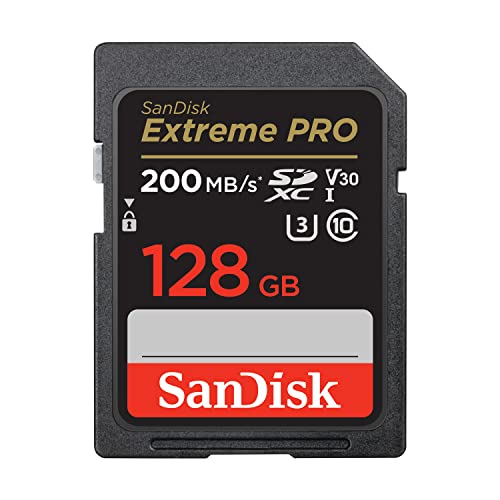
Features include fast offload speeds of up to 200 MB/s with SanDisk QuickFlow Technology. Best for: photographers and videographers who need quick file transfer and reliable performance in 4K workflows. Limitations: performance varies with host device and conditions; QuickFlow availability is capacity-dependent.
SanDisk Extreme Pro 256GB SDXC UHS-I

Features include up to 200 MB/s read and up to 140 MB/s write with QuickFlow Technology in suitable capacities. Best for: pro shooters who handle lengthy RAW bursts and need fast offloads. Caution: QuickFlow is specified for certain capacities; verify device compatibility for max speeds.
SanDisk Extreme SDXC 256GB UHS-I

Up to 180 MB/s read and 130 MB/s write with SanDisk QuickFlow Technology. Best for: photographers and videographers who need reliable performance for 4K and longer clip durations. Limitation: QuickFlow availability is capacity-specific and may not apply to all sizes.
SanDisk Extreme PRO 128GB SDXC UHS-II

Features up to 300 MB/s read and write speeds, ideal for 8K/4K cinema-quality work with UHS-II. Best for: professionals needing the highest transfer speeds for rapid editing and large file batches. Caution: UHS-II performance requires compatible devices and readers.
Lexar Professional 2000x 128GB SD Card

Features include up to 300 MB/s read speed with UHS-II, enabling fast transfers for cinema-quality video. Best for: professionals who need dependable performance across high-bit-rate codecs. Limitation: UHS-II devices are required to achieve listed speeds; legacy devices may underperform.
Lexar Professional SILVER Pro 128GB

Features up to 280 MB/s read and up to 120 MB/s write; supports 1080p and 4K shooting with robust workflow acceleration. Best for: photographers and videographers who want a balance of speed and capacity. Limitation: write speeds are lower than top-tier PRO II cards; plan file management accordingly.
Buying Guide
What to consider when choosing a high-speed SD card for cameras:
- Speed class and ratings: For 4K and 8K, look for UHS-II or V30/V90 classes and high read/write speeds. Check your camera’s supported card standards.
- Capacity needs: Match capacity to your shooting habits—long shoots or high-bitrate video benefit from 256GB+ cards.
- Device compatibility: Some cards require compatible readers or cameras to realize peak speeds. Verify with your camera’s manual.
- Reliability and durability: Look for cards with good wear leveling and robust construction for field use. SanDisk and Lexar are common professional choices.
- Workflow impact: High write speeds reduce buffer times for burst shooting and ensure faster offloads to editors or laptops.
Frequently Asked Questions
- What is the difference between UHS-I and UHS-II cards?
UHS-II cards have additional bus lanes and higher theoretical speeds, benefiting devices that support rapid data transfer. UHS-I cards are compatible with most cameras but may be slower on high-bit-rate tasks.
- Can I use a high-speed SD card in a standard camera?
Yes, but you will be limited to the slower card class supported by the camera. To gain maximum performance, ensure your camera supports the card’s speed class.
- Is 256GB enough for 4K video?
For extended shoots at high bitrates, 256GB can be sufficient, but consider larger capacities if you frequently shoot long sessions without offloading.
- Do faster write speeds meaningfully improve real-world performance?
Yes, higher write speeds reduce buffer fill and allow continuous shooting with fewer interruptions, especially in RAW bursts or high-bitrate video.
- Are insurance or warranties important for memory cards?
Many brands offer warranties, and professional users may prefer cards with proven reliability and data integrity features.
- How do I choose between UHS-II and Extreme Pro variants?
Choose UHS-II for the highest transfer speeds on capable cameras and readers; choose UHS-I Extreme Pro if your workflow primarily involves devices that do not support UHS-II.