Best Hard Case for Camera Lenses: Ultimate Protection for Drones, DSLRs, and More
Finding the right hard case for camera lenses and related gear is essential for safeguarding precision optics and delicate electronics. This guide highlights top-rated, travel-ready hard cases designed to protect lenses, cameras, and accessories from moisture, dust, impact, and rough handling. Whether you shoot on-location, travel by air, or work in demanding environments, the following selections offer customizable interiors, rugged shells, and reliable closures to keep gear secure.
Summary of selected products
| Product | Brand | Key Advantage |
|---|---|---|
| Camera Hard Case For Lenses, Drones, Hero | STARTRC VCR | Large, customizable storage and moisture resistance |
| PVC1 Waterproof Hard Case | Lykus | Dual drone accommodation with versatile dividers |
| Hard Shell Case For Canon/Nikon/Sony | ProCase | Protective shell with adjustable dividers |
| Hard Shell Protect Case For Lenses | Ginsco | Multi-layer protection for a range of lenses |
| Pelican Vault V200 Case | Pelican | Padded dividers and rugged crush protection |
STARTRC VCR Camera Hard Case

The STARTRC VCR hard case emphasizes large storage capacity with a moisture-proof, waterproof shell designed to protect Canon, Nikon, or Sony DSLR gear, drones, or GoPro equipment. Its interior is described as highly configurable, enabling the arrangement of lenses, cameras, drones, and accessories in dedicated compartments. The exterior combines high-strength PP material with suede-covered surfaces to minimize abrasion and impact. The case supports multiple partitions—long, medium, and short boards—to tailor the fit and maximize protection for sensitive equipment. This model stands out for users who need a robust, customizable solution for diverse gear sets.
Lykus PVC1 Waterproof Hard Case

The Lykus PVC1 case offers versatile storage with adjustable dividers, enabling customized configurations for cameras, lenses, and two drones in one container. Its interior is designed to accommodate DSLR or mirrorless bodies alongside multiple lenses, remotes, and accessories. The product highlights small-item organization through removable dividers paired with mesh pockets, which helps keep batteries, memory cards, and lens caps readily accessible. The dual-drone accommodation feature is particularly convenient for photographers who travel with two drones and need to keep them secure in a single case.
ProCase Hard Shell Camera Case
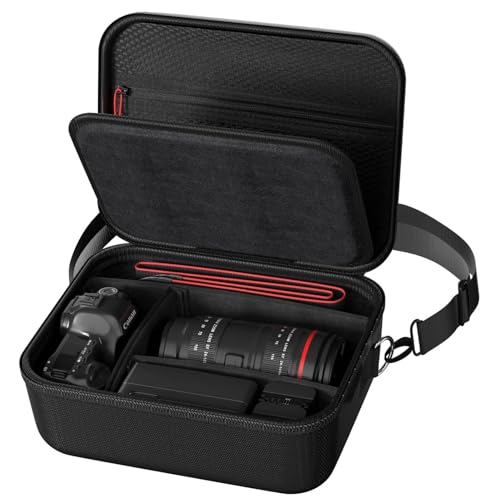
The ProCase hard shell case is designed for a wide range of DSLR and mirrorless cameras, including Canon, Nikon, Sony, and more. It combines a durable exterior with a soft inner lining and padded dividers to shield gear from scratches and bumps. This case emphasizes a customizable main compartment, allowing users to rearrange the interior as equipment evolves. The balance between compact size and versatile interior makes ProCase a strong option for photographers seeking reliable protection without adding excessive bulk to travel gear.
Ginsco Hard Shell Protect Case For Lenses
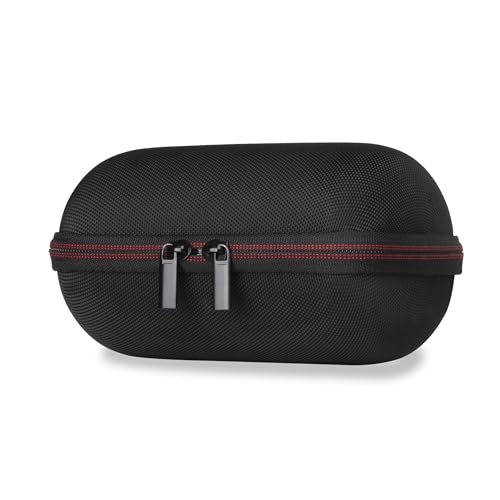
The Ginsco lens case emphasizes universal compatibility with major lens families and camera bodies. Its four-layer construction uses a thick EVA shell and 1680D fabric to resist dust, moisture, and impact. The interior supports multiple lens configurations with dividers and soft velvet lining to prevent scratches. The design prioritizes protecting ultra-wide to telephoto lenses, making it suitable for professional shooters who frequently switch lenses or travel with a collection of prime and zoom options. The inclusion of shock-absorbing bubbles contributes to durable, all-around protection in transit.
Pelican Vault V200 Hard Case

The Pelican Vault V200 provides rugged, crush-resistant protection with padded dividers that users can customize. Its polymer shell offers weather resistance and dust sealing, making it suitable for harsh environments or travel where gear is exposed to the elements. The case emphasizes reliability and modularity, enabling photographers to tailor interior layouts to a drone, camera bodies, and several lenses. The build quality and reputation of Pelican products make this option appealing for professionals seeking long-term durability in demanding settings.
Buying Guide: Key Considerations For Choosing A Camera Lens Hard Case
Selecting the right hard case involves weighing protection level, interior configuration, and transport practicality. Consider the following perspectives to determine the best fit for your gear and workflow.
- Protection Level: Look for weather sealing, crush resistance, and impact absorption. Materials like high-strength polypropylene and thick EVA interiors reduce risk during travel and rough handling.
- Interior Customization: A case with adjustable dividers allows you to tailor layouts for cameras, lenses, batteries, and accessories. Mesh pockets help organize small items efficiently.
- Size And Capacity: Measure your heaviest gear plus potential future additions. Ensure the exterior dimensions align with airline carry-on or checked-bag allowances where applicable.
- Drilling And Security: Some cases offer padlock-compatible holes or anti-tamper latches. Consider whether you need added security for high-value gear.
- Weight And Portability: Heavier cases can be protective but cumbersome. Look for handles, wheels, and comfortable latches that ease transport on location.
- Brand And Warranty: Reputable brands with clear warranties provide peace of mind for frequent travelers and professionals.
- Compatibility With Accessories: If you shoot with drones, ensure the interior accommodates remotes, batteries, and propellers safely, in addition to lenses and bodies.
In practice, photographers often balance interior versatility with exterior ruggedness. For lens-focused travel, a case that offers robust protection, modular dividers, and secure closures tends to perform best, even if it adds a bit more weight. For drone and multi-camera setups, a larger case with dual drone accommodation can streamline transport and reduce packing time. Considering your typical shooting environments—studio vs. field work—helps select a model that aligns with both protection needs and practical handling.