Best Gyro Stabilizers for Cameras: Top 5 Gimbals for Smooth Footage
Answering the common question “which gyro stabilizer for camera should I buy?” this guide highlights five top options that balance portability, payload, and ease of use. Each pick suits different creators—from vloggers and travel shooters to professional video makers requiring a compact, high-torque gimbal. Whether you shoot with DSLR/mirrorless bodies or smartphones, these stabilizers help you achieve silky, shake-free footage without heavy rigs. The table below provides a quick snapshot to compare key traits before diving into detailed sections.
| Product | Brand | Best For | Key Benefit |
|---|---|---|---|
| DJI RS 3 Mini | DJI | Travel video with lightweight setups | Ultra-compact, up to 2 kg payload |
| FeiyuTech SCORP-C | FeiyuTech | Professional-style stabilized cinema moves | 3-axis control with strong compatibility |
| FeiyuTech SCORP Mini 2 Kit | FeiyuTech | Compact kit with AI tracking | Includes carry case, light, and extension |
| COMITOK L7C Pro | COMITOK | Smartphone videography on the go | Face/object tracking and foldable design |
| Zeadio Video Action Stabilizing Handle Grip | Zeadio | All-purpose handheld support | Cold-shoe mount and 1/4-20 compatibility |
DJI RS 3 Mini — 3-Axis Gimbal Stabilizer
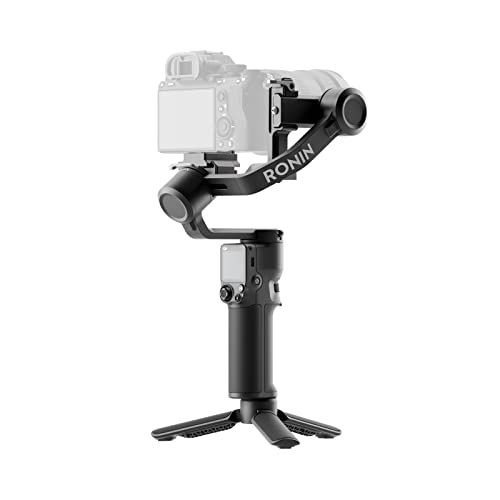
Best for travelers and creators who need a compact yet capable gimbal. The RS 3 Mini weighs 795 g (1.75 lb), offering easy handheld use for extended shooting sessions. It supports a load up to 2 kg (4.4 lbs), enabling a wide range of camera and lens combinations. It also features Bluetooth shutter control for convenient photo capture and video recording after a quick reconnect.
Who this is for: video bloggers, documentary shooters, and travelers who want a portable stabilizer with genuine camera control. Why selected: it balances light form with robust torque to handle common mirrorless setups while maintaining native vertical shooting capabilities. Caution: payload limits vary with lens weight and accessories; exceeding 2 kg reduces stabilization efficiency.
FeiyuTech SCORP-C Gimbal Stabilizer

Best for professionals using mirrorless cameras and DSLRs that require advanced control and versatility. The SCORP-C supports mainstream camera/lens combinations and offers integrated features such as three-axis stabilization, tilt control, and center-of-gravity memory. It emphasizes ergonomic design with a hanging handle and five-way gravity adjustment for precise balance.
Who this is for: videographers needing a robust, feature-rich gimbal for more complex shots. Why selected: its broad compatibility and built-in stabilization systems suit a wide range of brands and body configurations. Caution: setup may require a bit more time to balance heavier rigs; avoid using with cameras beyond stated payloads.
COMITOK L7C Pro — Smartphone Gimbal

Best for smartphone videography and mobile content creators seeking smart tracking without heavy hardware. The L7C Pro uses intelligent AI tracking via the Comitok app and features a compact foldable design with a lightweight build (about 0.8 lbs). It offers a 3-axis stabilization experience tailored for quick, on-the-go filming.
Who this is for: Vloggers, social creators, and casual filmmakers who want professional-looking footage with smartphone setup. Why selected: convenient folding form and AI tracking simplify mobile video capture. Caution: performance relies on software tracking; ensure app compatibility and updates for the best experience.
FeiyuTech SCORP Mini 2 Kit — 3-Axis Gimbal

Best for creators who want a compact setup with added accessories. The SCORP Mini 2 Kit includes a carrying case, cordless magnetic fill light, and a 275 mm extension rod. It offers AI tracking and a fully portable form factor suitable for run-and-gun shooting with mirrorless cameras or smartphones.
Who this is for: on-the-go shooters and YouTubers who need quick setup and extended shooting potential. Why selected: the kit components expand shooting versatility beyond stabilization alone. Caution: payload and balance can become a factor when mounting larger cameras or lenses; check compatibility before use.
Buying Guide: Key Purchase Considerations
- Payload and camera compatibility: Always confirm the maximum load capacity and the combined weight of your camera and lens. A higher payload allows heavier rigs but may affect battery life and weight.
- Stabilization features: Look for 3-axis stabilization, torque, and smooth follow modes. Some models offer native vertical shooting or AI tracking that can simplify complex shots.
- Portability vs. capability: Compact gimbals excel in travel and handheld shoots, while more robust models suit studio or professional environments. Consider how often you’ll travel with the device.
- Accessories and ecosystem: Kits with carrying cases, extension rods, lights, or additional mounts can reduce setup time and expand shooting options.
- Software integration: AI tracking, gesture control, and companion apps influence ease of use. Ensure the app remains compatible with your devices and OS updates.
Frequently Asked Questions
- What is a gyro stabilizer/gimbal used for?
It smooths camera motion by actively compensating for hand shake and movement, producing steadier footage in dynamic shooting conditions.
- Do I need a gimbal with a high payload?
Only if you plan to use heavier cameras or long lenses. Lighter setups may perform well on compact stabilizers, improving balance and handling.
- Can I use a smartphone on a camera gimbal?
Many stabilizers are compatible with smartphones, especially dedicated smartphone gimbals. Check the product’s compatibility list and mounting options.
- Is AI tracking necessary for good video?
AI tracking helps keep subjects centered with minimal manual adjustments, but traditional manual control remains valuable for precise framing.
- What should I consider before buying a gimbal kit?
Assess payload, portability, included accessories, battery life, and how easily you can balance and operate the system in real-world shooting.