Best Gimbals for DSLR Cameras: Top Stabilizers for Smooth, Professional Footage
Finding the right gimbal for your DSLR can dramatically improve video stability, motion tracking, and overall production value. This guide highlights five leading DSLR-friendly gimbals, detailing payload capacity, tracking features, and user ergonomics to help you choose a model that fits your camera setup and shooting style. Each entry links to a trusted Amazon listing for quick reference and purchase.
| Product | Brand | Max Payload | Amazon |
|---|---|---|---|
| DJI RS 3 Mini | DJI | 2 kg (4.4 lbs) | View |
| FeiyuTech SCORP-C2 | FeiyuTech | 3.5 kg (7.72 lbs) | View |
| DJI RS 4 Mini | DJI | 2 kg (4.4 lbs) | View |
| FeiyuTech SCORP 3 KIT | FeiyuTech | 3.5 kg (7.72 lbs) | View |
| DJI RS 4 Pro Combo | DJI | 4.5 kg (10 lbs) | View |
Note: Payload values indicate typical compatibility with common DSLR and mirrorless setups. The right gimbal depends on your camera body, lens weight, and desired shooting style—whether you prioritize quick setup, advanced tracking, or robust payload for bigger rigs.
DJI RS 3 Mini: Ultra-Portable 3-Axis Stabilizer
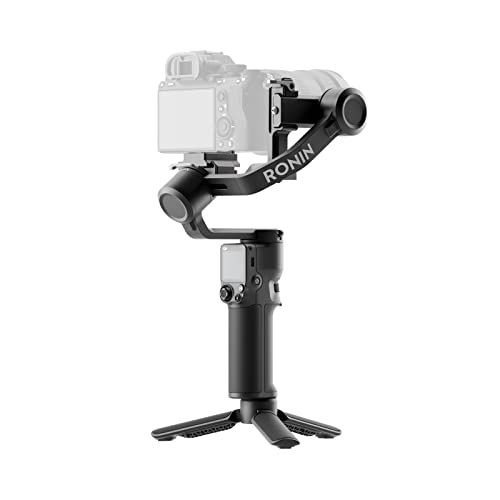
The DJI RS 3 Mini is designed for compact, travel-friendly setups without sacrificing stability. Weighing just 795 g (1.75 lb), it offers a high-torque motor system capable of supporting up to 2 kg (4.4 lbs). Its small form factor makes it ideal for run-and-gun shoots, interviews, and vlogging with DSLRs or compact mirrorless bodies paired with versatile lenses. Native vertical shooting and a reliable Bluetooth shutter control streamline single-operator workflows, enabling quick responses to dynamic scenes.
Key benefits include easy handheld operation, a portable design for travel, and broad compatibility with popular DSLR and mirrorless cameras. The RS 3 Mini’s balance and responsiveness support smooth pans, tilts, and tracking, which is essential for on-location video projects using heavier lenses or longer focal lengths.
FeiyuTech SCORP-C2: AI-Driven Tracking for DSLR and Mirrorless

The SCORP-C2 integrates built-in AI tracking without requiring a separate app, delivering reliable subject recognition from up to 18 meters away. It supports a native vertical shooting mode, enabling shooters to switch between horizontal and vertical framing with a single press. With a 3.5 kg (7.72 lbs) payload, it accommodates a broad range of DSLR and mirrorless configurations, including full-frame bodies and mid-to-long lenses.
What sets the SCORP-C2 apart is its all-in-one tracking capability, eliminating extra accessories for tracking tasks. The gimbal’s compact design and vertical shooting flexibility appeal to creators who emphasize social content, time-lapse sequences, and quick-change setups on diverse shoots.
DJI RS 4 Mini: Faster Setup, Smarter Tracking

The RS 4 Mini builds on DJI’s stabilization heritage with faster setup and improved tracking. A key feature is auto axis locks, which reduces the time between shots and enhances reliability during rapid scene transitions. Its Intelligent Tracking Module maintains framing while orbiting or filming solo, ensuring smooth, professional results even in dynamic environments. The gimbal also emphasizes smoother balancing through refined axis components, helping operators achieve stable footage in fast-paced shoots with DSLRs and compatible lenses.
FeiyuTech SCORP 3 KIT: Advanced AI Tracking And Flexibility

The SCORP 3 KIT combines a detachable remote handle, a robust AI tracking module, and a high 3.5 kg payload. The detachable control handle enables an ergonomic, single-operator workflow with the option to operate the gimbal remotely for complex shots or elevated angles. A built-in AI system enhances subject recognition and tracking, while the kit’s modular design supports flexible camera positioning via an adjustable mounting slider. This kit is suitable for shooters who require precision tracking with larger DSLR bodies and heavier lenses.
DJI RS 4 Pro Combo: High Payload, Pro Features
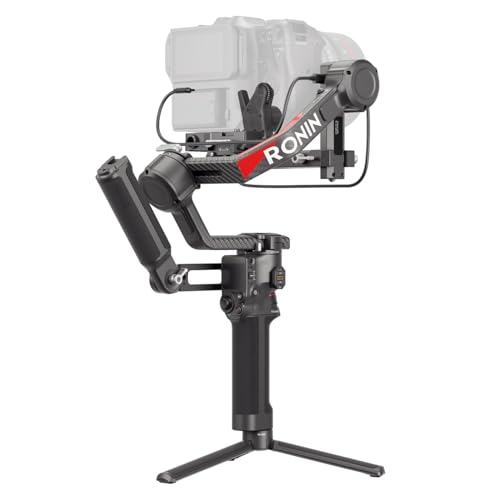
The RS 4 Pro Combo is a heavyweight performer designed for cinema-grade setups. It supports up to 4.5 kg (10 lbs) payload and includes a 2nd-Gen native vertical shooting capability for seamless content creation in social formats. Enhanced motor torque helps stabilize heavier camera and lens combinations, while an updated joystick mode switch provides precise control for focus and zoom alongside traditional gimbal movement. This model is ideal for professional DSLRs paired with larger lenses or compact cinema cameras that require robust stabilization and versatile shooting modes.
Buying Guide: Key Purchase Considerations For DSLR Gimbals
- Payload capacity: Choose a gimbal that comfortably supports your camera body and lens weight, plus any accessories. Underestimating payload can lead to instability and motor strain.
- Balance and setup speed: Quick-release plates, axis locks, and automatic balancing features save time on location and reduce fatigue during long shoots.
- Tracking and subject recognition: Built-in AI tracking or advanced control modules improve framing accuracy, especially for solo operators or dynamic scenes.
- Vertical shooting capability: If you create social media content, a gimbal with native vertical modes minimizes the need for extra adapters.
- Remote control options: Detachable handles or remote control support can enhance flexibility for complex shots or inaccessible angles.
- Ergonomics and weight: Lighter gimbals improve comfort during extended shoots; consider grips, balance, and hand fatigue factors for all-day use.
- Compatibility and ecosystem: Ensure the gimbal supports your camera brand and model, including any future upgrades or different lenses you may add.
- Maintenance and durability: Look for robust materials (such as carbon fiber arms) and quality seals for use in varied environments (outdoors, dust, humidity).
- Price-to-performance balance: While higher-end models offer advanced features, assess whether automatic tracking, speed, and payload justify the investment for your shooting style.
These considerations help balance the need for advanced stabilization with practical workflow demands. When selecting a model, map your typical shoots—interviews, events, run-and-gun documentary work—and match the gimbal’s specs to your camera configuration, travel needs, and creative goals.