Best Full Frame Sensor Camcorder Options for Cinephiles and Creators
Answering the search intent for a full frame sensor camcorder, this guide highlights five strong choices suited for independent filmmakers, event videographers, and creators seeking cinematic depth. Each pick uses a full-frame sensor or equivalent large-format capability, with explanations of who benefits most and why. The top picks balance cinematic image quality, professional features, and practical usability in real-world settings.
| Product | Sensor / Format | Why It Stands Out |
|---|---|---|
| Sony FX6 | Full-frame | Excellent dynamic range and autofocus for documentary-style shooting. |
| Sony FX3 | Full-frame | Compact, cinema-oriented features with strong low-light performance. |
| Blackmagic Pyxis 6K | Super 35/Full-frame capable 6K | Flexible formats with cinematic color science and open workflow. |
| Blackmagic Cinema Camera 6K | Full-frame 6K | High-resolution capture with professional color pipelines. |
| Sony Alpha 7 II | Full-frame | In-body stabilization and versatile stills/video performance. |
Buyer profile: The FX6 and FX3 suit run-and-gun and documentary shooters needing reliable autofocus and color pipelines. The Blackmagic options appeal to indie filmmakers prioritizing RAW or Blackmagic RAW workflows and robust post options. The Alpha 7 II is a flexible choice for hybrid shooters who want strong stills alongside video capability.
Sony FX6 Full-Frame Cinema Camera Kit

The FX6 features a 10.2MP full-frame back-illuminated Exmor R CMOS sensor and BIONZ XR processor, delivering wide dynamic range and cinematic color. This kit focuses on professional autofocus, Real-Time Eye AF, and a robust cinema-centric feature set. Best for documentary filmmakers and run-and-gun operators who need reliable performance in varying light and fast-moving scenes.
Best for: Independent filmmakers, documentary shooters, and field videographers requiring cinematic image quality with flexible, user-friendly controls.
Caution: Includes a large ecosystem of accessories; ensure compatibility with your preferred lenses and rigs before purchase.
Sony FX3 Full-Frame Cinema Camera
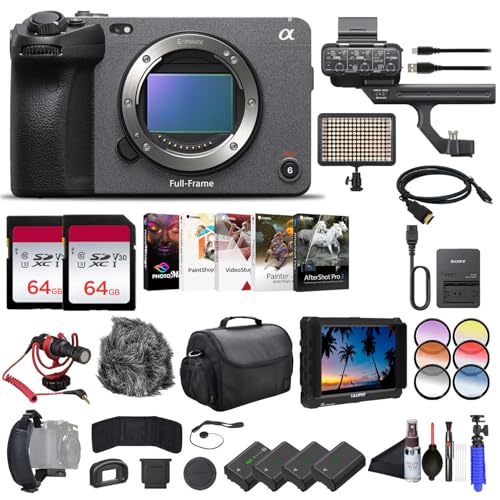
The FX3 combines a compact design with a full-frame sensor and professional video capabilities, including 4K/120p and high-quality color science. It’s well-suited for single-operator projects, travel shoots, and YouTube creators who want cinema-grade results without a large rig. Best for: Solo shooters and hybrid creators who need mobility without sacrificing image quality.
Best for: Compact, cinema-leaning productions with strong low-light performance and color grading flexibility.
Caution: As a compact system, some users may require additional external rigs for complex setups.
Blackmagic Pyxis 6K Full-Frame Cinema Box Camera

The Pyxis 6K cinema box camera features a full-frame 6K sensor and a flexible range of film formats, including anamorphic options. It delivers cinematic potential with a wide dynamic range and robust color handling, designed for demanding production environments. Best for: Cinematographers who want a high-resolution, adaptable workflow with cinematic flexibility.
Best for: Shooters needing high-resolution open-format capture and strong post-production options.
Caution: A specialized workflow; may require additional storage and conversion steps to fit standard editing pipelines.
Blackmagic Cinema Camera 6K (CINECAM60KLFL)

The Blackmagic Cinema Camera 6K offers a full-frame-inspired 6K sensor with RAW recording options and the potential for exceptional color and dynamic range. This camera is a strong choice for projects where pixel-for-pixel detail and a flexible post-production workflow are priorities. Best for: Cinematic productions that demand high-resolution capture and robust grading capabilities.
Best for: Filmmakers prioritizing RAW workflows and extensive post-production control.
Caution: Requires more post-production handling and storage planning compared to smaller, lighter full-frame camcorders.
Sony Alpha 7 II Mirrorless Camera
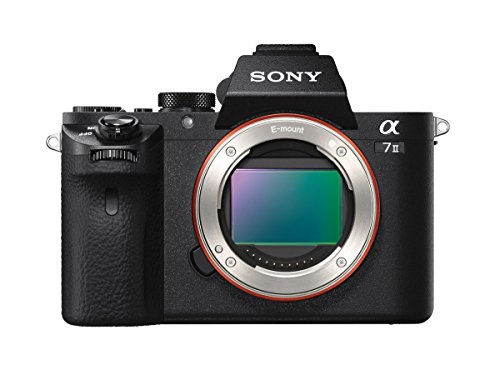
The Alpha 7 II is a flexible full-frame mirrorless camera with 24.3MP stills and 5-axis in-body stabilization. While not a camcorder, it supports high-quality video and offers a versatile platform for hybrid shooters who value both stills and video. Best for: Creators who want a dual-use device for photography and video with stabilized footage.
Best for: Users who need solid stabilization and a broad ecosystem of lenses for both stills and video.
Caution: Not a dedicated camcorder; feature-set may require additional video-centric accessories for professional productions.
Buying Guide
What matters most when choosing a full-frame sensor camcorder?
Sensor size and image quality: Look for a large sensor for better low-light performance and shallower depth of field. A 10-bit color pipeline and log profiles (S-Log3, RAW, or Blackmagic RAW) provide more flexibility in post.
Autofocus and stabilization: For run-and-gun work, reliable autofocus and in-body or lens stabilization help maintain sharp images. Real-time subject detection and eye AF are valuable for moving subjects.
Workflow and formats: Consider your post pipeline. Blackmagic RAW and ProRes support a wide range of editing software. Ensure media options like CFexpress or SDXC are compatible with your editing setup.
Weight, ergonomics, and rigging: For field shoots, a compact form factor with modular rigging options matters. Balance, grip comfort, and power options influence shoot time.
Budget and accessory ecosystem: Full-frame cinema tools often require lenses, cages, matte boxes, and lights. Evaluate total cost of ownership and compatibility with existing gear.
Use cases by scenario:
- Documentaries and news: prioritize autofocus, dynamic range, and reliable operation in varying light.
- Indie films: emphasize color science, RAW workflows, and cinema-specific features.
- Hybrid creators: balance stills capability with video, stabilisation, and versatility.
FAQ
- What is the advantage of a full-frame sensor in camcorders?
A: It provides better low-light performance, dynamic range, and cinematic depth of field compared to smaller sensors. - Is a camcorder with RAW capture worth it for indie projects?
A: Yes, RAW workflows give greater flexibility in post for color grading and finishing touches. - Do I need a large rig for a full-frame cinema camera?
A: Not necessarily; some models are compact, but many setups benefit from additional stabilization and rigs for professional results. - Can I use stills lenses on these cameras?
A: Some systems allow adapting lenses, but verify compatibility for your chosen body and mount. - Which option is best for a tight budget?
A: Look for a balance between sensor quality, workflow flexibility, and available used gear to maximize value. - Do these cameras require extensive post-production work?
A: Depending on format, some workflows demand more grading and color management; ensure your team is prepared for that.