Best Full-Frame Professional Cameras for Creators
Answering the need for high-resolution, versatile imaging, these full-frame cameras serve professional photographers and video creators across genres. The list prioritizes models with robust autofocus, high dynamic range, and reliable video capabilities. Best for: pro photographers, hybrid shooters, and vloggers who require full-frame quality in a compact, reliable body.
The following quick reference helps compare the five strongest options for a full-frame system. Use the table to scan core strengths, then read each section for details on suitability and trade-offs.
| Product | Brand | Key Strength | Best For |
|---|---|---|---|
| Canon EOS R6 Mark II with RF24-105mm Kit | Canon | Fast shooting, high ISO performance, robust AF | Action and event photographers |
| Canon EOS RP with RF 24-105mm Kit | Canon | Lightweight full-frame, versatile kit lens | Travelers and beginners moving to full-frame |
| Canon EOS R8 | Canon | Compact full-frame with advanced autofocus | Content creators and hybrid shooters |
| Sony Alpha 7 IV | Sony | High resolution, strong video features | Hybrid shooters and videographers |
| Sony A7 III | Sony | Reliable performance; broad lens ecosystem | Budget-conscious professionals |
Canon EOS R6 Mark II Kit with RF24-105mm

The Canon EOS R6 Mark II combines a 24.2 MP full-frame sensor with the DIGIC X processor for strong dynamic range and smooth performance. It offers up to 12 fps mechanical and 40 fps electronic shooting, plus a broad ISO range for low light. This kit is best for professionals who need reliable AF, fast bursts, and strong color science in a flexible system. A potential limitation is the camera’s weight and size relative to smaller mirrorless bodies, which can affect travel convenience for some users.
Canon EOS RP Kit with 24-105mm

The Canon EOS RP is a lightweight full-frame option with a versatile RF 24-105mm lens. It suits travelers and creators who want full-frame image quality without bulk. The kit is chosen for its balance of portability and image quality, making it a dependable entry into full-frame work. Note that autofocus performance and overall speed are more modest than higher-end models, so it’s best for portraits, landscapes, and narrative projects with patient timing.
Canon EOS R8 Mirrorless Camera
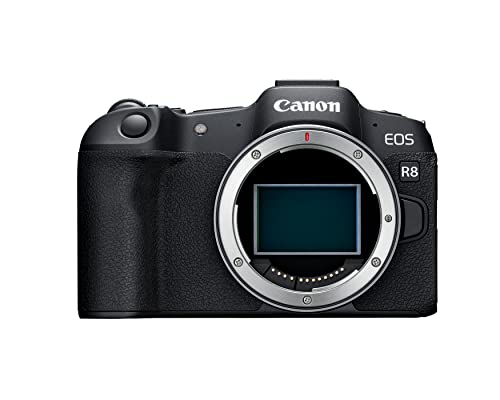
The Canon EOS R8 is a compact full-frame option featuring a 24.2 MP sensor and the DIGIC X processor. It’s well-suited for content creators who want a lightweight body with strong autofocus and modern interface. It excels in stills and 4K video, offering a balanced option for hybrid shooters. A caveat is that some users may find the advanced features accessible but not as exhaustive as top-tier models in fast-action scenarios.
Sony Alpha 7 IV with 28-70mm Kit

The Sony Alpha 7 IV pairs a high-resolution 33 MP sensor with the BIONZ XR processor, delivering strong AF and 4K 60p video with 10-bit color. This camera is a versatile choice for hybrid shooters who need reliable performance across stills and video. The lens ecosystem is a notable advantage. Potential limitation includes higher price and heavier setup compared to mid-range cameras, which may impact travel or street shooting sessions.
Sony A7 III Full-Frame Bundle

The Sony A7 III remains a solid choice for professionals seeking a reliable, feature-rich full-frame system. It offers a 24.2 MP BSI sensor, strong dynamic range, and a proven autofocus system. This model is recommended for budget-conscious buyers who still want high-end performance and a broad lens selection. For pure speed and the latest video features, newer models may offer more advanced capabilities, but the A7 III delivers consistent results.
Buying Guide: Key Considerations for Full-Frame Professionals
What should I prioritize in a full-frame body?
Priorities vary by use case. If fast action or event work is common, prioritize autofocus speed, tracking, and burst rates. For video-focused work, prioritize 4K options, color depth, and log profiles. For travel or documentary work, weight, battery life, and durability matter most.
How important is the lens ecosystem?
A wide, high-quality lens lineup enhances flexibility. Native lenses optimized for each camera body yield better autofocus and stabilization. Consider future upgrades and whether you want to stay within a single brand family for consistency in color and workflow.
What about in-body stabilization?
In-body image stabilization helps with hand-held shooting across stills and video. Compare camera models with stabilization to determine how many stops of shake correction you gain with or without lens IS, especially for low-light or handheld video work.
How does low-light performance influence choice?
Low-light performance is tied to sensor tech and autofocus. A camera with strong high-ISO performance and reliable AF in dim environments reduces noise and keeps subjects sharp, which is crucial for events and reportage.
Is budget a deciding factor?
Budget affects not only the body but the total system cost, including lenses, memory, and accessories. Consider the total cost of ownership and whether a newer model’s improved features justify the investment, or if a solid older model meets current needs.
What about future-proofing?
Look for cameras with modern codecs, reliable autofocus, and active development in firmware updates. A camera with strong support tends to retain value longer and keeps your workflow current as standards evolve.
How should I evaluate the buying decision?
Base the choice on a concrete workflow: still photography needs, video resolution and frame rates, lens flexibility, and portability. If possible, test handling, menu structure, and autofocus behavior with your typical subjects before purchase.
What are common trade-offs across these models?
Trade-offs often include body weight versus durability, burst speed versus buffer depth, and feature breadth versus ease of use. The best choice balances essential capabilities with real-world shooting needs and ergonomic comfort.
FAQ
- Which camera is best for hybrid shooting? The Sony A7 IV and Canon EOS R8 are strong all-around options with strong video features and autofocus for both stills and motion.
- Is full-frame worth it for beginners? A lighter full-frame kit like the Canon EOS RP can ease a transition to full-frame while providing strong image quality for learning and growth.
- Which system has the best lens selection? Sony’s E-mount and Canon RF offer extensive lens ecosystems, giving broad choices for different genres.
- Do newer models always outperform older ones? Not always; newer may add features, but the best value often comes from a model that fits your workflow and budget.
- Should I choose 24MP or 33MP sensors? Higher megapixels improve detail and cropping flexibility, but consider file size and low-light performance—balance with your typical shooting style.
- What is the advantage of the RF 24-105mm kit? It provides a versatile zoom range with a stabilized lens, enabling broad focal coverage for travel, events, and general photography.