Best Flash for Digital Cameras: Top Speedlites for Any Photographer
Choosing the right flash can dramatically improve indoor and outdoor photography. This guide highlights five reliable flash speedlites compatible with a range of DSLR and mirrorless cameras. Each option offers different power, modes, and compatibility to fit various shooting styles, from beginner vlogs to event photography. Below is a quick overview table of the selected products to help you compare at a glance.
| Product | Brand | Key Feature | Compatibility Note |
|---|---|---|---|
| Neewer TT560 Flash Speedlite | NEEWER | Versatile rotation; wide compatibility | Non-TTL, hard hot shoe |
| PHOTOOLEX FK310 | PHOTOOLEX | GN33 power, 5500K light; S1/S2 modes | Manual and multi-flash options |
| MEDALight F1 Mini | MEDALight | Compact mini with adjustable power | Single-contact hot shoe |
| ULANZI SL01 Mini Flash | ULANZI | Lightweight, 6500K, multiple power levels | Not TTL; check hotshoe type |
| Powerextra DF-400 | Powerextra | GG 33 guide number; multiple modes | Mi hot shoe compatible |
Each product below is described with its main strengths, supported modes, and practical use cases. All five selections balance affordability and performance for everyday photography and semi-pro shoots.
Neewer TT560 Flash Speedlite For DSLR Cameras
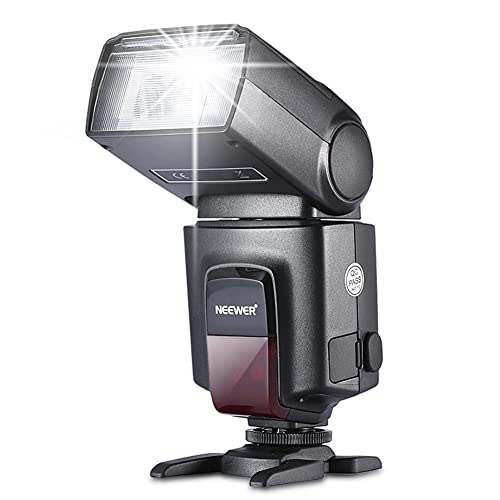
The Neewer TT560 is a versatile, non-TTL flash designed for a broad range of cameras with a standard hot shoe. It offers flexible vertical (0–90 degrees) and horizontal (0–270 degrees) rotation, aiding creative lighting angles for portraits, events, and product shots. While it does not support TTL or camera menu settings, it remains compatible with many DSLR bodies that have electrical contacts. Its straightforward control layout makes it ideal for beginners building manual flash skills.
Key considerations include compatibility with your camera’s hot shoe and your willingness to work in manual mode. For those who want a reliable, affordable entry into off-camera lighting, the TT560 provides dependable output without the complexities of TTL systems. Battery life and recycle times are typical of entry-level speedlites, making it well-suited for classroom projects or household photography.
PHOTOOLEX FK310 Camera Flash Speedlite

The FK310 from PHOTOOLEx provides a GN33 output with a stable daylight color temperature around 5500K. It supports Manual mode as well as S1 and S2 modes. The flash is designed to fire in sync with the camera’s shutter, and it includes a multi-flash feature that allows multiple flashes per shot. While TTL and camera menu integration aren’t supported, the FK310’s strong output and even light distribution make it suitable for portrait setups, small events, and macro photography where timing and consistency matter.
Pros include a straightforward interface and effective light quality, while limitations center on the lack of TTL. For photographers who prefer manual control or want to teach lighting concepts, the FK310 is a practical tool that pairs well with a basic light modifier kit and a sturdy light stand.
MEDALight F1 Mini Camera Flash

The MEDALight F1 Mini is a compact, rechargeable mini flash with a built-in Xenon tube and a Type-C rechargeable battery. It offers four adjustable power options and a color temperature around 6200K. This mini unit is designed for small cameras or film cameras with a hot shoe, delivering strong quick bursts for social media content, travel photography, or close-ups. Its rechargeable design adds convenience for shooters who travel light and want a fast, ready-to-go lighting solution.
Consider power availability and the need for longer sessions. The F1 Mini’s smaller footprint comes with a trade-off in max light output compared to larger speedlites, but its portability and rapid recharge can be advantageous for on-the-go shoots and impromptu lighting scenarios.
ULANZI SL01 Mini Flash Speedlite

The ULANZI SL01 is a compact mini flash designed for cameras with a single-contact hotshoe. It delivers a GN8 output and a 6500K color temperature, suitable for simple fill lighting and on-the-go portraits. The packaging notes highlight compatibility considerations, emphasizing that TTL is not supported and compatibility varies by camera model. This flash excels for vloggers and travelers who want a light, affordable lighting option without extra bulk.
Longevity and compatibility are important factors. If your camera uses a specialized hotshoe type or requires higher power for indoor portraits, you may need a larger unit. For casual shooters and content creators aiming for consistent, minimal lighting, the SL01 is a practical choice with minimal setup.
Powerextra DF-400 Speedlite

The Powerextra DF-400 is a robust speedlite featuring a guide number of 33 (ISO 100, 1m) and support for Manual, S1, and S2 wireless modes. It uses a single-contact hotshoe and offers a wide vertical rotation (0–90 degrees) and horizontal rotation (0–270 degrees). The unit is designed to be compatible with Mi hot shoe cameras like several Sony, Canon, Nikon, Panasonic, and other brands. It requires eight levels of power output via LED indicators and is powered by four AA batteries. This makes it a versatile option for controlled lighting in various environments.
When evaluating the DF-400, consider battery availability and the need for wireless triggering. Its multi-mode approach and higher power flexibility suit portrait sessions, events, and studio-like setups where a reliable external flash is essential.
Buying Guide: Key Purchase Considerations
- Compatibility: Confirm your camera’s hot shoe type and whether TTL is supported. Some flashes work best with non-TTL, manual configurations.
- Power and Output: A higher guide number provides more reach and flexibility for indoor or low-light shooting; consider when you shoot close-ups versus larger rooms.
- Modes and Features: Manual, S1/S2, and wireless options expand creative lighting possibilities. Multi-flash helps with stroboscopic effects.
- Size and Portability: Mini and compact flashes are great for travel and vlogging, but larger units offer stronger light for events and studio work.
- Battery and Recharge: Recharge time and battery type affect field usability. Rechargeable lithium options offer convenience, while AA-powered units rely on readily available batteries.
- Mounting and Accessories: Look for compatibility with light stands, diffusers, and softboxes to shape light effectively.
- Budget and Value: Entry-level flashes provide essential features at a lower cost, while more advanced units deliver advanced control and consistency.