Preserving old film, negatives, and reels means choosing the right tools to convert memories into durable digital formats. This guide highlights five top options that blend dedicated film-to-digital devices with versatile 4K cameras, offering practical paths for hobbyists and professionals alike. Whether you’re digitizing 8mm film or creating modern content with a high-resolution camera, these picks cover both dedicated scanners and flexible imaging devices that help you capture the past for today’s screens.
In this selection, three Kodak film digitizers provide specialized, reliable film-to-digital workflows. The other two are versatile 4K cameras that can support related preservation projects, like documenting film handling, set-ups, or creating tutorial content about digitizing media. Together, they form a well-rounded approach to converting physical media and producing digital content for sharing and archiving.
| Product | Brand | Type | Key Capability |
|---|---|---|---|
| Kodak Mini Digital Film & Slide Scanner | Kodak | Film & Slide Scanner | Scans 135, 126, 110, Super 8; 2.4″ LCD; up to 14/22MP output; color or B&W JPEGs |
| Kodak REELS 8mm & Super 8 Digitizer | Kodak | Film Digitizer | Loads 3–9 inch reels; 1080p MP4 exports; 8.08MP sensor; 5″ onboard LCD |
| Kodak Slide N SCAN Film & Slide Scanner | Kodak | Film & Slide Scanner | Converts negatives/slides to 22MP JPEGs; 5″ LCD; quick-load tray; SD/USB/HDMI |
| Sixtary 4K Digital Camera With 180° Flip Screen | Sixtary | Digital Camera | 4K video; 48MP photos; 16x digital zoom; 180° flip screen; included 32GB card |
| Roqioo 4K Digital Camera For Vlogging | Roqioo | Digital Camera | 5K 64MP; 6x optical zoom; dual-lens; WiFi; 64GB card; two batteries |
Kodak Mini Digital Film & Slide Scanner

The Kodak Mini Digital Film & Slide Scanner is designed as an all-in-one device for digitizing aging media. It handles 135, 126, and 110 negatives as well as slides, plus Super 8 film frames. Output is saved as JPEGs in color or black and white, enabling quick archiving and easy sharing. The device supports a variety of adapters for fast loading, helping to streamline batch scanning. An onboard 2.4-inch LCD provides immediate preview and basic editing controls, while internal memory stores scans before transfer. This model emphasizes convenience and compact form for converting family memories.
Users can view and edit images directly on the unit, with options to adjust brightness and apply reverse or flip as needed. The scanner aims to deliver crisp detail and faithful color reproduction, particularly useful for preserving the look of vintage film. While it does not replace high-end lab workflows, it offers an accessible, portable solution for households and hobbyists who want tangible, rapidly shareable results without a computer-centric process.
Ideal for families digitizing shelves of old photos and film, the Kodak Mini supports frequent conversions across multiple formats. The device’s compact footprint makes it easy to store in a cabinet or pack for travel. If you’re building a simple, reliable workflow to rescue cherished memories from older media, this scanner presents a solid balance of features, affordability, and ease of use.
Kodak REELS 8mm & Super 8 Digitizer

Kodak REELS is built for older film formats, focusing on converting 8mm and Super 8 reels into digital MP4 files. It’s designed for frame-by-frame digitizing with an 8.08-megapixel sensor to ensure clarity, and video output typically maxes out at 1080p resolution. The device includes a sizable 5-inch onboard LCD for live viewing and navigation, along with touch buttons for quick adjustments. With USB connectivity, you can transfer scans to a computer or display them on a television. This model emphasizes automated yet precise digitization, suited for nostalgic film preservation.
The scanner prioritizes a straightforward workflow: load film onto the reel, let the device capture frames automatically, and view progress on the large screen. It’s ideal for enthusiasts who want to preserve motion history without external computers. While it may be slower than modern high-resolution scanners, it excels at frame-by-frame fidelity and a dedicated environment for film restoration projects.
For those with reels of varied sizes, Kodak REELS provides an approachable option to convert by one reel at a time, preserving the motion and character of original footage. It’s particularly valuable for archival projects, school clubs, and family historians who want durable digital copies without complicated setups or software dependencies.
Kodak Slide N SCAN Film & Slide Scanner
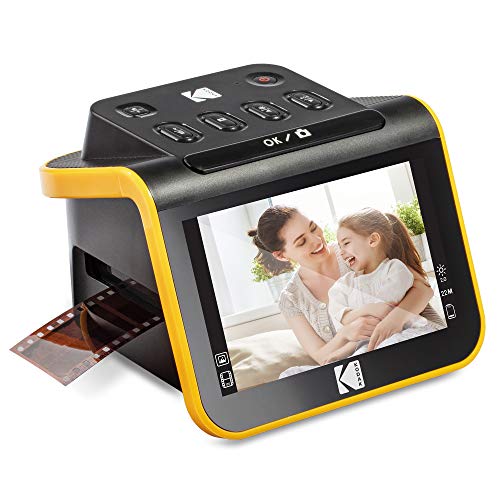
Kodak Slide N SCAN focuses on digitizing both negatives and slides with a 5-inch LCD display and a user-friendly gallery mode. It supports 135, 110, and 126 film formats, as well as 50mm slides, and saves output as JPEGs on an SD card. The device emphasizes fast, continuous loading through Quick-Feeding Tray technology and includes adapters for various film formats. Its straightforward interface and on-device editing options make it a practical option for quick archiving of older image collections.
Equipped with straightforward input and a dedicated slide/film workflow, this scanner facilitates quick previews and adjustments, allowing you to assess quality before saving. The built-in display makes it easy to verify crops and color accuracy in real time. If you possess a mixed-format archive, this model simplifies the process of digitizing your slides and negatives in one compact unit.
For personal historians and small households, Slide N SCAN offers a balanced mix of simplicity and capability. It’s a good option when you want a stand-alone device that minimizes computer dependence while still producing high-quality JPEGs suitable for sharing online or printing archival copies.
Sixtary 4K Digital Camera With 180° Flip Screen

The Sixtary 4K Digital Camera is a compact option for capturing 4K video and high-resolution stills, featuring a 180-degree flip screen ideal for vlogging, selfies, and on-the-go shoots. With 4K recording and 48MP photo capture, it’s designed for beginners and content creators who want a capable all-in-one device. The 16x digital zoom supports distant subjects, and the camera is built to be portable and easy to use. The package typically includes a rechargeable battery and a 32GB memory card, enabling quick-start recording straight out of the box.
In practice, this camera excels as a versatile companion for documenting the digitization process or creating tutorial content about film-to-digital workflows. Its lightweight form factor makes it convenient for travel and fieldwork, while the flip screen helps with framing and self-recording. Like many consumer-grade 4K cameras, it balances feature richness with user-friendly controls, making it suitable for teens, beginners, and budget-conscious enthusiasts seeking reliable, ready-to-use performance.
Roqioo 5K 64MP Digital Camera For Vlogging

The Roqioo 5K camera blends high-resolution stills with robust video capabilities, delivering 64MP photography and 5K video potential. It features a 6x optical zoom and dual-lens design, along with built-in WiFi for easy sharing and remote control. A pair of batteries and a 64GB SD card are often included, supporting extended shooting sessions. This model positions itself for serious content creators who want maximum image detail and flexible shooting options in a consumer-friendly package.
As a learning tool and production device, Roqioo offers strong value for vloggers and educators who need crisp visuals and reliable autofocus. The dual-lens system expands creative possibilities, while the WiFi feature and included memory card help streamline the workflow from capture to upload. While not a professional cinema camera, it provides an attractive balance of performance, portability, and user-friendly operation for creators exploring film-to-digital workflows and off-the-cuff video production.
Buying Guide
Two main paths exist for film-to-digital workflows: dedicated film scanners that preserve frame fidelity and camera-based approaches that capture content from film displays or projections. Each path has scenarios where it makes more sense. The following considerations help you decide which combination best matches your needs and budget.
- Film format support: Confirm which formats you need to digitize (35mm, 126, 110, Super 8, 8mm, and reel sizes). Dedicated film scanners often list supported formats explicitly, while cameras require alternative methods such as projecting film or using lightboxes for frame capture.
- Resolution and output quality: Look for higher MP output and true 4K/5K capabilities if you plan to upscale for large prints or archival quality. Film scanners typically yield direct JPEG or TIFF outputs; cameras offer flexibility for video and stills but may require post-processing.
- Color accuracy and brightness: A good scanner uses calibrated color, brightness controls, and correction options. For camera-based captures, ensure the sensor quality, white balance controls, and lighting setup produce faithful color reproduction.
- Loading and workflow efficiency: Quick-loading trays, continuous feed, and integrated editing on the device speed up archiving. SD card or USB transfer compatibility matters if you want to minimize computer steps.
- Software and editing: Some scanners include bundled software for color correction, cropping, and restoration. For cameras, consider post-production software for color grading and stabilization to achieve archival-grade results.
- Portability and power: If you plan to digitize away from a desk or in classrooms, portable devices with long battery life are advantageous. Battery replacements and rechargeable options affect total cost of ownership.
- Reliability and warranty: Look for manufacturer support, build quality, and warranty terms. Film archiving can span decades, so dependable hardware and service matter.
- Cost and value: While dedicated film scanners excel at fidelity, they may require more upfront investment. Camera-based approaches can be cost-effective and flexible but may demand more setup time.
- Future-proofing: Consider devices with USB-C or modern connectivity, compatibility with current operating systems, and firmware update options to extend usefulness.
- Use-case diversity: If you want a single device for both film digitization and general photography or video, a versatile camera may provide practical value beyond archiving.
In practice, choose a tiered approach: use dedicated scanners for high-fidelity archival work and leverage capable 4K cameras for supplementary tasks like documenting the digitization process, creating tutorials, or capturing content around preserving film. The right mix depends on the volume of media, desired fidelity, and how much time you want to invest in post-processing. By balancing dedicated tools with flexible cameras, you can build a robust, scalable workflow for film-to-digital preservation.