Best Film for Your Classic Camera: Top Color Films
Choosing the right film for a film camera depends on lighting, desired mood, and archival goals. This guide highlights five reliable color film options—ranging from classic color negatives to vibrant print films—offering solid choices for enthusiasts and hobbyists alike. Each entry includes key features to help you compare performance, grain, and color reproduction for everyday shooting or special projects.
The following summary table presents the chosen products at a glance:
| Product | Brand | Type | Exposures | Notes |
|---|---|---|---|---|
| Kodak Ultramax 400 Color Print Film 36 Exp 3-Pack | KODAK | Color Print Film | 108 photos (36 exp × 3) | Even color, reliable dynamic range |
| Kodak Gold 200 Color Negative Film (Pack of 2) | KODAK | Color Negative Film | 48 exposures total (24 × 2) | Balanced color, versatile in many scenes |
| FUJIFILM 200 Color Negative Film (3-Pack) | Fujifilm | Color Negative Film | 108 exposures (36 × 3) | Vibrant color and fine grain |
| FUJIFILM 400 Color Negative Film (3-Rolls) | Fujifilm | Color Negative Film | 108 exposures (36 × 3) | High contrast and rich colors |
| Kodak ColorPlus 200 (Pack of 3) | KODAK | Color Negative Film | 108 exposures (36 × 3) | Reliable daylight film with steady tones |
Kodak Ultramax 400 Color Print Film 36 Exp 3-Pack
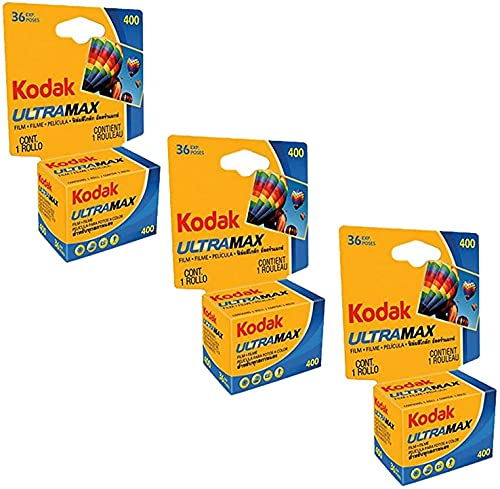
Kodak Ultramax 400 is a color print film designed for everyday photography with a reliable balance of color, contrast, and skin tones. This 3-pack provides 108 exposures, making it convenient for longer photo sessions or travel. The film offers straightforward processing and broad versatility across various lighting conditions, helping photographers achieve natural results without heavy post-processing.
Kodak Gold 200 Color Negative Film (Pack of 2)
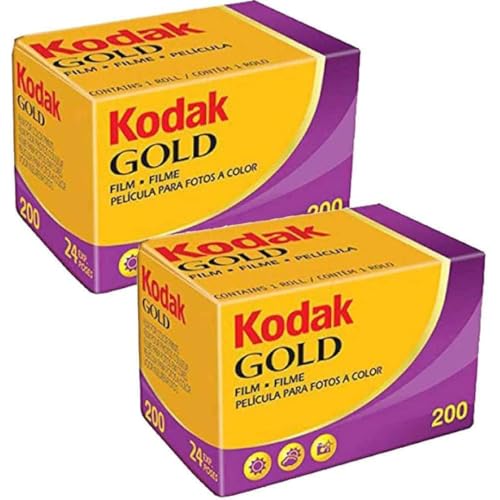
Kodak Gold 200 is a versatile color negative film with a balanced ISO 200 rating. It excels in natural daylight and well-lit interiors, delivering warm skin tones and pleasing color reproduction. The pack of two offers flexibility for multiple shoots, while maintaining consistent results across batches and varying lighting conditions.
FUJIFILM 200 Color Negative Film (3-Pack)

Fujifilm 200 is a daylight-balanced color negative film offering vibrant color reproduction with fine grain. Its 3-pack format provides great value for travelers and hobbyists who shoot in varied environments. Ideal for portraits and landscapes, this film maintains sharpness and pleasant color rendition across a range of scenes.
FUJIFILM 400 Color Negative Film (3-Rolls)

FujiFilm 400 Color Negative Film delivers rich colors and strong contrast, making it suitable for landscapes, portraits, and travel photography. With three rolls, you gain extended shooting time and flexibility in varied lighting. The ISO 400 rating supports well-lit and low-light scenes with good detail and natural skin tones.
Fujifilm Fujicolor 200 Color Negative Film (3-Pack)

This Fujifilm 200 Color Negative Film emphasizes vibrant color reproduction and fine grain, making it suitable for everyday photography, portraits, and outdoor scenes. Its broad exposure latitude helps maintain balanced images in mixed lighting, while the 3-pack offers good value for routine shooting.
Kodak ColorPlus 200 (Pack of 3)

Kodak ColorPlus 200 is a dependable daylight-balanced film known for consistency and robust processing. It delivers good sharpness and color accuracy, making it a staple choice for everyday photography—from street scenes to portraits. Its 3-pack format is ideal for keeping a steady supply on hand for regular shoots.
Buying Guide: Key Purchase Considerations
- Film Type: Decide between color negative and print films. Color negatives offer flexibility in post-processing and widely accepted processing, while print films can produce distinctive color renditions and contrast suitable for specific artistic goals.
- ISO Sensitivity: ISO 100–200 films are great for bright, daylight conditions; ISO 400 provides versatility in indoor or mixed lighting. Higher ISO films introduce more grain but can improve performance in low light when used deliberately.
- Grain and Color: Finer grain yields smoother enlargements and more precise color reproduction; higher saturation and contrast can enhance mood for vivid landscapes or portraits.
- Exposure Latitude: Films with broad exposure latitude tolerate lighting variations better, reducing the risk of blown highlights or underexposed shadows in imperfect lighting.
- Pack Size and Value: Multi-pack offerings (e.g., 3-pack or 2-pack) provide cost efficiency and convenience for ongoing projects, travel, or extended shoots.
- Camera Compatibility: Ensure compatibility with 35mm film cameras and standard DX code for automated exposure settings, if your camera supports it.
- Processing Availability: Consider local lab options and turnaround times if you don’t develop film at home. Color negative films are widely supported by labs worldwide.
- Color Rendering Preferences: Some brands are known for warmer skin tones (great for portraits), while others emphasize punchy colors for landscapes or street scene aesthetics.
In choosing among these options, consider your typical shooting conditions, preferred color palette, and whether you value consistency across rolls or the ability to experiment with bolder tones. For beginners, a versatile ISO 200 film like Kodak Gold 200 or Fujifilm ColorPlus 200 provides forgiving exposure and reliable results. For more dynamic lighting or travel, ISO 400 films such as Fujifilm 400 or Kodak Ultramax 400 offer flexibility in a variety of environments. If you’re pursuing a classic print-film look, Kodak Ultramax 400’s color balance and high-contrast finish can be appealing for everyday snapshots.