Best Fast Memory Cards for DSLR: Quick Picks for Smooth 4K Capture and Big Finds
When choosing a memory card for a DSLR, the goal is to maximize offload speed, reliability, and capacity for your shoot. This guide highlights five fast SD cards that suit different needs—from high-end 4K video to rapid burst shooting. The top picks are best for photographers seeking reduced downtime between shots, longer recording times, and dependable durability. The buyer’s type map shows who benefits most from each option.
| Product | Capacity | Key Benefit |
|---|---|---|
| Sandisk Extreme PRO SDXC | 128 GB | Ultra-fast offload and 90–200 MB/s write/read speeds |
| Sandisk Extreme PRO SDXC | 256 GB | Very high read/write speeds for large files |
| Gigastone 1TB SDXC Pro | 1 TB | Massive capacity for long shoots |
| Lexar Professional 128 GB | 128 GB | UHS-II with up to 300 MB/s read speeds |
| Gigastone 256 GB Pro | 256 GB | 4K capable and reliable for DSLR use |
| Lexar Professional 256 GB | 256 GB | High-speed UHS-II with 300 MB/s read speeds |
| Gigastone 128 GB Pro | 128 GB | Solid 4K/UHD support and fast transfer |
| SanDisk Ultra 128 GB | 128 GB | Good balance of price and performance for Full HD |
Sandisk 128GB Extreme PRO SDXC UHS-I Memory Card
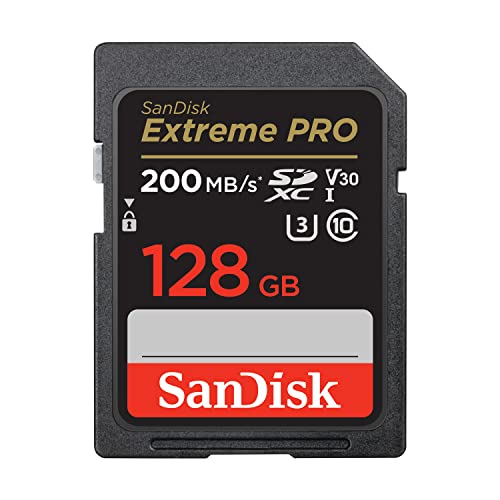
Best for heavy-duty DSLR users who demand fast offload speeds with reliable 4K readiness. Features include up to 200 MB/s read and up to 90 MB/s write speeds in typical scenarios, powered by SanDisk QuickFlow Technology. This card pairs well with SanDisk Professional PRO-READER for maximum throughput. It’s a solid choice for professional photographers needing rapid card-to-computer transfers and smooth 4K UHD recording. Consider this option if you shoot 4K video or rapid-fire bursts and require quick offloads to minimize downtime.
Best for: Professional photographers and videographers who need high sustained performance and compatibility with high-end readers. Caution: Actual speeds vary by host device and conditions; speeds can be lower on devices that don’t support the faster UHS-I modes.
Sandisk 256GB Extreme PRO SDXC UHS-I Memory Card

Best for DSLR shooters needing more headroom and faster offloads. This card advertises up to 200 MB/s read and up to 140 MB/s write performance, with QuickFlow Technology noted for higher-end capacities. The card is designed to work with professional readers for peak speed. Choose this if you regularly shoot in 4K or high-burst modes and want a larger capacity without changing cards frequently. Limitation: the QuickFlow feature is capacity-dependent and may not be active on all devices.
GIGASTONE 1TB SDXC Pro Series

Best for long shoots and extended projects with high-resolution needs. Capacity is the standout feature here, offering a full terabyte of storage in a single card. With transfer speeds up to 150 MB/s, it supports 4K UHD video capture and large file sequences. Choose this if you video long events or plan to shoot many days without changing cards. Caution: 1 TB capacity may be overkill for casual users or smaller DSLRs with limited card slots.
Lexar 128GB Professional 2000x SD Card

Best for speed-focused DSLR work with UHS-II, offering read speeds up to 300 MB/s. This card is compatible with UHS-I devices but excels on UHS-II hosts, delivering brisk transfers for high-resolution stills and 8K-capable workflows. It’s a strong pick for photographers who frequently edit/export large RAW files and need quick offloads. Caution: Higher performance requires a compatible reader and camera that can exploit UHS-II speeds.
Lexar 256GB Professional 2000x SD Card

Best for professionals needing large, fast storage and robust performance. With up to 300 MB/s read speeds and UHS-II interface, this card supports long video sequences and complex RAW shoots while remaining backward compatible with UHS-I devices. It’s suitable for cinema-quality workflows and high-end DSLR capture. Limitations include the need for a compatible reader and camera to realize full performance advantages.
Gigastone 256GB SD Card 4K Pro

Best for DSLR users who need reliable 256 GB capacity with solid 4K support. Features include high-speed data transfer up to 100 MB/s and a full-sized SD card format for broad compatibility. This card is a dependable option for everyday 4K and Full HD shooting. Consider if you want a balance between cost and performance and don’t require the absolute fastest speeds.
Gigastone 128GB SD Card Pro

Best for budget-conscious DSLR users who still want reliable 4K/UHD support. Up to 100 MB/s transfer rate and full-sized SD form factor deliver straightforward performance for everyday shooting tasks. Choose this if you want a cost-effective option with adequate speed for Full HD and moderate 4K workloads. Limitation: May not satisfy heavy 4K or high-burst workflows that demand higher write speeds.
SanDisk Ultra 128GB SD Card
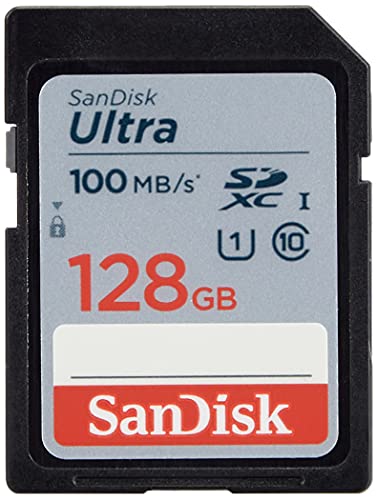
Best for casual photographers and budget-friendly Full HD use. This card offers solid performance at a reasonable price point, with capacities ranging from 32 GB to 256 GB for flexible storage. It’s a practical pick for hobbyists who do not require the fastest speeds but want dependable everyday storage. Caution: It may not keep up with demanding 4K shooting or high-volume bursts on newer DSLRs.
Buying Guide: Key Considerations for Choosing a Fast Memory Card
- Capacity vs. workload: For long sessions or 4K video, lean toward 256 GB or 512 GB and above. For casual shoots, 128 GB often suffices.
- Speed class matters: Look for UHS-I vs UHS-II cards; UHS-II offers higher read/write speeds but requires compatible readers and devices to realize full benefits.
- Read vs. write speeds: Write speeds affect how quickly you can record data; read speeds influence how fast you offload to a computer. Both matter for 4K and continuous shooting.
- Reliability and durability: For outdoor or rugged use, prefer cards with better endurance and compatibility with wide temperature ranges and shock resistance.
- Compatibility: Ensure your camera supports UHS-I or UHS-II and verify the card’s capacity within your device’s supported range.
- Extra features: Some cards offer QuickFlow Technology or pairing suggestions with specific readers to maximize performance.
FAQ
- What is the difference between UHS-I and UHS-II? UHS-II cards have additional rows of pins to support higher speeds, requiring compatible cameras and readers to reach peak performance.
- Do I need a professional reader for high speeds? Yes, to achieve maximal transfer speeds, use a compatible high-speed reader designed for UHS-II or faster interfaces.
- Is bigger always better for memory cards? Larger容量 reduces card swaps on long shoots, but it may be unnecessary if you shoot only short sessions or have budget constraints.
- Can these cards be used with all DSLRs? Most DSLRs support SDXC cards; check your camera’s supported card types and speed classes to ensure compatibility.
- Will faster cards improve image quality? Not directly. Faster cards improve throughput and workflow efficiency, especially for 4K video and burst shooting, but image quality depends on the camera and settings.