Best External Monitors for Video Cameras on Set
Choosing the right external monitor can dramatically improve on-set framing, focus, and exposure for video cameras. This guide highlights five reliable options that balance image quality, portability, and professional features. Each product section includes quick specs, practical use cases, and how it stacks up for field shooting, studio work, or solo videography.
Buying a monitor is not just about resolution. Consider glare handling, brightness, color accuracy, LUT support, and how well it integrates with your camera rig. The following picks cover a range of budgets and form factors, from compact on-camera assists to larger field monitors with advanced waveform tools. The table below summarizes key details for quick comparison.
| Product | Brand | Viewing Size | Key Feature | Link |
|---|---|---|---|---|
| FEELWORLD FW759 | FEELWORLD | 7″ | 4K HDMI, 1280×800 IPS | View |
| NEEWER F100 | NEEWER | 7″ | IPS 1280×800, 450 nits | View |
| NEEWER F700 | NEEWER | 7″ | 2000 nits, 4K HDMI loop | View |
| FEELWORLD S55 V3 | FEELWORLD | 6″ | LUTs, waveform, 4K HDMI | View |
| ASUS BE279QFK | ASUS | 27″ | Built-in webcam, 100Hz | View |
FEELWORLD FW759 7 Inch Field Monitor
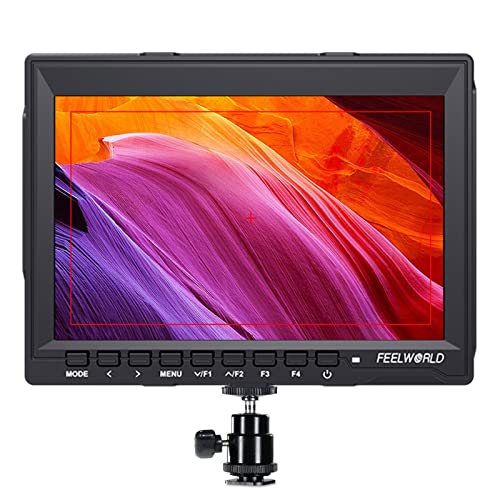
FEELWORLD FW759 features a 7-inch IPS display with 1280×800 resolution and a wide color gamut, delivering precise color rendition for on-set decisions. With 400 nits brightness, it remains usable in bright outdoor environments, and its slim profile makes it compatible with stabilizers and gimbals. The device supports 4K HDMI input, enabling clean monitoring of high-resolution footage from most DSLRs, mirrorless cameras, and cinema rigs. Its portability suits handheld shoots, interviews, and run-and-gun setups where quick focus checks are essential.
In practice, FW759 is a strong all-around tool for quick LUT previews, exposure checks, and framing. The monitor’s light footprint helps reduce rig weight, while reliable color accuracy assists colorists in pre-production reviews. If your workflow emphasizes mobility and on-the-go shooting without sacrificing essential monitoring tools, this model offers a balanced option.
NEEWER F100 7-Inch Field Monitor

The NEEWER F100 offers a 7-inch IPS panel with 1280×800 resolution and 450 nits brightness for crisp, high-contrast monitoring. It supports standard 4K HDMI input/output, making it compatible with a wide range of cameras and recorders. The included sunshade helps mitigate harsh reflections in outdoor shoots, and its relatively light build suits handheld and gimbal rigs. This monitor is well-suited for independent filmmakers and videographers who require dependable field monitoring without adding significant bulk.
With features like true-to-life color guidance and an intuitive interface, the F100 helps operators verify focus and exposure quickly. It is particularly effective for on-location interviews, documentary work, and music videos where timestamped review panels on set are valuable. While not heavy on advanced waveform tools, it covers essential monitoring needs with solid performance at a accessible price point.
NEEWER F700 7-Inch High-Brightness Field Monitor

The F700 stands out with an impressive 2000 nits brightness, making it a strong choice for outdoor confirmations and bright studios. It includes 4K HDMI loop in/out, enabling seamless signal flow to external recorders or multi-monitor setups on set. The monitor supports professional monitoring features and has options for integrating audio monitoring via a headphone jack. This model is ideal for ambitious outdoor shoots, news gathering, and field productions that demand high visibility in daylight conditions.
While the higher brightness is a key advantage, users should consider power management and size when mounting on smaller rigs. The F700’s robust feature set makes it a versatile choice for crews needing reliable monitoring under challenging lighting, plus flexible signal routing to other devices on set.
FEELWORLD S55 V3 6-Inch Field Monitor

The FEELWORLD S55 V3 addresses compact monitoring needs with a 6-inch IPS display and LUT support, ideal for smaller rigs or handheld rigs without a built-in viewer. It offers features such as waveform, histogram, and focus peaking to help operators achieve correct exposure and sharpness in real time. The device supports 4K HDMI input and output, making it easy to preview camera footage before it’s recorded, or to feed a larger display on set for crew feedback.
Designed for gimbal users and compact camera setups, the S55 V3 balances usability with essential professional tools. Its LUT compatibility enables quick on-set looks, while its small footprint reduces overall rig weight. This monitor is well-suited for travel shoots, documentary work, and small production teams seeking efficient monitoring without sacrificing core capabilities.
ASUS BE279QFK 27-Inch 1080p Conference Monitor

ASUS BE279QFK is a larger 27-inch display that combines a Full HD panel with an integrated webcam, microphone array, and built-in speakers—streamlined for video conferencing and collaboration. Its frameless IPS design provides wide viewing angles, while a 100 Hz refresh rate delivers smoother motion for on-screen video previews. Although primarily aimed at conference use, its color accuracy and ergonomic stand are attractive for studio editing rooms or control rooms where a larger display is beneficial for multi-operator workflows.
For video camera operators seeking an all-in-one setup in a studio environment, the ASUS monitor can double as a reference monitor and conferencing hub. Consider its size and mounting requirements if you plan to use it alongside field monitors or on a desktop rig that requires flexible positioning and adjustable height.
Buying Guide: Key Purchase Considerations
Resolution and size: Match the monitor size to your working distance and rig. Field monitors range from 5-7 inches for on-camera use to 27 inches for desktop setups. Resolution should align with your camera’s output; higher resolution helps with precise focus checking and LUT previews.
Brightness and contrast: Outdoor shoots demand higher brightness, while indoor studios may benefit from color-accurate panels with good contrast. Look for at least 400-1000 nits in bright environments and a 1000:1 or higher contrast ratio for realistic skin tones and scene details.
Color management: LUT support, waveform, vectorscope, and false color help ensure exposure accuracy. Check compatibility with your camera brands and post workflows to simplify color grading and reviewing footage.
Input/output options: Ensure the monitor offers HDMI, SDI (if needed), and loop-in/out capabilities to integrate with external recorders or multi-monitor rigs. A headphone jack is useful for audio monitoring when no external field monitor is available.
Ergonomics and build: Field monitors should be lightweight yet durable, with sturdy mounting points for rods, cages, or gimbals. For desktop use, consider a stand that offers tilt, swivel, and height adjustability. Sunshades improve visibility in sunny environments.
Power and battery life: For field work, check battery compatibility and runtime. Some monitors come with V-mount or NP-F battery options, which helps reduce cables and keep rigs streamlined.
Price-to-feature ratio: Higher brightness, advanced waveform tools, and LUT support add value, but evaluate whether these features align with your typical shoots. A well-rounded mid-range monitor often provides the best balance for most productions.
Compatibility and ecosystem: If you use specific cameras or editing suites, verify that the monitor’s software and firmware provide seamless integration, including quick LUT uploads and on-device calibration.