Landscape and architecture shooters on Nikon DX bodies can broaden their perspective with purpose-built wide-angle lenses. This guide spotlights five solid options across attachments, zooms, and primes, covering compatibility, performance, and best-use scenarios. From budget Altura Photo adapters to versatile Nikon DX zooms and fast primes, these picks help you expand your field of view without compromising image quality. Compare features and decide which lens best fits your DX system and shooting style.
| Product | Brand | Type | Ideal For |
|---|---|---|---|
| Altura Photo 55MM Wide Angle Lens (DX) | Altura Photo | Wide-Angle Attachment | Budget-friendly landscapes and interiors on Nikon DX |
| Nikon NIKKOR Z DX 12-28mm PZ VR | Nikon | Wide-Angle Zoom | DX Z-mount for dramatic landscapes and architecture |
| Nikon 18-105mm DX VR AF-S | Nikon | DX Zoom | All-around travel and versatile landscapes |
| Tectra 52MM Wide Angle Lens (DX) | Tectra | Wide-Angle Attachment | Budget macro-enabled wide shots with 52mm lenses |
| Nikon NIKKOR Z DX 24mm F1.7 | Nikon | Prime Wide-Angle | Low-light landscapes and street photography on DX Z |
Altura Photo 55MM Wide Angle Lens (DX)

The Altura Photo 55mm wide-angle attachment expands the field of view by threading onto a 55mm lens, enabling dramatic landscapes and interior shots. A detachable macro portion adds high-resolution close-ups without swapping lenses. The lens is designed for Nikon DX bodies when paired with a 55mm thread lens, such as the popular 18-55mm kit, or other 55mm-class glass. This makes it a compact, budget-friendly option for photographers who want to experiment with perspective without committing to a new native wide-angle lens.
Usage is straightforward: screw the attachment onto the front of a compatible 55mm lens, then frame wider scenes. Image quality can vary based on the base lens and the adapter’s optics, and vignetting may occur at the widest angles with certain lenses. It’s best for entry-level experimentation, travel light, and quick mood shifts in landscapes or interiors.
Pros include portability, a low price point, and the macro option for detail shots. Consider this option if you already own a 55mm glass and want a lightweight, add-on solution for occasional wide-angle needs on DX bodies.
Nikon NIKKOR Z DX 12-28mm PZ VR

The NIKKOR Z DX 12-28mm PZ VR is a compact ultra-wide-angle zoom designed for APS-C Z-series mirrorless cameras. The lens spans from immersive 12mm to a natural 28mm, delivering dramatic perspectives ideal for landscapes, architecture, and interiors. Built-in VR offers up to 4.5 stops of stabilization, helping maintain sharpness in handheld shots. A standout feature is the power zoom with 11 speeds, delivering smooth, cinematic transitions for video work or dynamic stills. The lightweight design makes it an excellent travel companion for DX-format Z cameras.
For videographers and still photographers seeking flexibility, this lens pairs well with on-the-go shooting. It is particularly useful when you need a broad perspective quickly without swapping lenses. Users should note that, like all compact wide zooms, optical performance is strongest in the mid-range and may taper at the extremes, particularly in challenging lighting conditions.
Nikon 18-105mm DX VR AF-S
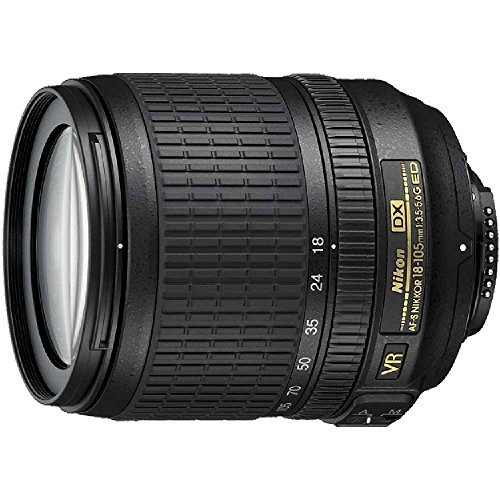
This Renewed Nikon 18-105mm f/3.5-5.6 AF-S DX VR ED covers a practical wide-to-telephoto range on DX-format bodies. The 18mm end is well suited to landscapes and interiors, while 105mm pulls in details at mid-telephoto for portraits or distant subjects. VR helps stabilize handheld shooting, allowing slower shutter speeds without sacrificing sharpness. As an all-around lens, it’s a versatile choice for travelers who want a single, reliable option without swapping lenses on the move.
Potential buyers should weigh the benefits of range against optical performance at the extremes. Being a refurbished item, verify warranty details and consider the condition, but the lens remains a favorite for those who prioritize flexibility and budget-conscious options on Nikon DX bodies.
Tectra 52MM Wide Angle Lens (DX)

The Tectra 52mm 0.43x wide-angle attachment screws onto the front of a 52mm lens and instantly widens the field of view for expansive landscapes and cityscapes. It also includes a detachable macro portion for close-ups of small subjects, enabling macro-style shots without changing lenses. Compatibility centers on 52mm-class lenses, including popular Nikon kit glass such as the 18-55mm, and other 52mm lenses. This option is especially attractive for budget-minded shooters who want to experiment with wide perspective and macro capabilities on DX cameras.
Keep in mind that, as an adapter, image quality depends heavily on the base lens and lighting conditions. For best results, pair with a sharp kit lens and avoid pushing extreme wide angles in low-contrast scenes. It’s a practical add-on for learners exploring perspective control and macro integration on a tight budget.
Nikon NIKKOR Z DX 24mm F1.7

The Nikon NIKKOR Z DX 24mm f/1.7 is a compact, fast-wide prime ideal for DX-format Z-series cameras. Its bright f/1.7 aperture enables strong performance in low light and provides shallow depth of field control for creative landscapes and portraits. With a short working distance of roughly 4.7 inches from the front of the lens, it encourages close-up perspectives and distinctive framing. Autofocus is tuned to minimize noise during video capture, making it well-suited for street photography, vlogging, and travel work on Nikon Z DX bodies.
While the 24mm focal length offers a classic wide view, it lacks the zoom flexibility of an all-in-one lens. Buyers should consider their shooting style: if you often shoot in tight spaces or need variable framing on the fly, pairing this prime with a versatile zoom may be beneficial. Nonetheless, the combination of fast aperture and compact form makes it a strong choice for DX mirrorless shooters seeking sharp, bright images.
Buying Guide
Key Compatibility And System Fit
DX-Format lenses are designed for Nikon DX bodies and most of the options above target either F-mount DX cameras or Z-series DX mirrorless bodies. If you own a Z-series DX camera, focus on Z DX lenses (like the 12-28mm PZ or 24mm f/1.7). For F-mount DX bodies, review compatibility for the 18-105mm or 10-24mm-type options. When using adapters (such as 55mm barrel attachments), ensure the lens thread size matches the adapter and that any macro or wide-angle components are compatible with your camera system.
Focal Length Range: Zooms Versus Primes
Wide-angle primes (like 24mm) offer fast apertures and superbSubject separation but lack zoom flexibility. Zooms (12-28mm and 18-105mm) provide versatility across landscapes, interiors, and street scenes. For travel and architecture, a zoom often saves lens swaps and time. If you frequently shoot in tight spaces or require consistent framing, a zoom may be preferable; for low-light work and maximum sharpness, a fast prime can be the standout choice.
Image Stabilization And Autofocus
Look for lenses with built-in stabilization (VR for Nikon F-mount and similar for Z-mount). VR helps with handheld shooting at slower shutter speeds, especially for landscapes at dusk or interiors. For video, continuous autofocus speed and noise levels matter—prime lenses often excel in video performance, while zooms offer flexibility for varied shot sizes. If you shoot video frequently, consider lenses with smooth, quiet focusing and reliable continuous AF tracking.
Budget Versus Value
Wide-angle adapters and budget 52mm attachments tend to be economical but may soften edges and introduce distortion. Native DX zooms and primes from Nikon typically deliver higher optical quality and better consistency across focal lengths, at a higher price. Your decision should align with how often you’ll use wide perspectives, whether you value portability over absolute image sharpness, and whether you’re investing in a long-term system upgrade.
Use Case Scenarios
Landscape and architecture shooters will benefit from wide-angle zooms (12-28mm, 18-105mm) for sweeping vistas and interior spaces. Street photographers may prefer the compact 24mm f/1.7 for discrete, fast shooting and low-light performance. Hobbyists testing new perspectives can start with attachment-style lenses for quick experiments, but may eventually upgrade to native DX glass for the best balance of image quality and ease of use.
In sum, the best choice depends on your camera format (DX F-mount vs DX Z-mount), your typical shooting distance, and whether you prioritize flexibility (zoom) or speed (prime). The five lenses reviewed here offer a spectrum of options—from budget-friendly adapters to high-performance native glass—catering to diverse preferences and budgets within the Nikon DX ecosystem.