Best DSLR Camera Gimbal Stabilizers for Smooth Footage
Exploring top gimbal stabilizers helps filmmakers and hobbyists capture steady, cinematic shots with DSLR and mirrorless cameras. Below are five leading options designed for professional-grade stabilization, fast setup, and versatile shooting modes. Each listing highlights payload capacity, intelligent tracking, and vertical shooting capabilities to suit a range of rigs from compact DSLRs to lightweight cinema setups.
| Product | Brand | Payload (Max) | Key Benefit |
|---|---|---|---|
| DJI RS 3 Mini | DJI | 2 kg / 4.4 lbs | Ultra-compact, native vertical shooting, quick setup |
| FeiyuTech SCORP-C2 | FeiyuTech | 3.5 kg / 7.72 lbs | Built-in AI tracking, no app required, vertical switch |
| DJI RS 4 Mini | DJI | 2 kg / 4.4 lbs | Fast setup with auto axis locks, intelligent tracking |
| DJI RS 4 | DJI | 2 kg / 4.4 lbs | 2nd-gen native vertical, versatile control modes |
| DJI RS 4 Pro | DJI | 4.5 kg / 10 lbs | High torque, robust payload, vertical-ready for cinema rigs |
DJI RS 3 Mini: Compact Power for DSLRs
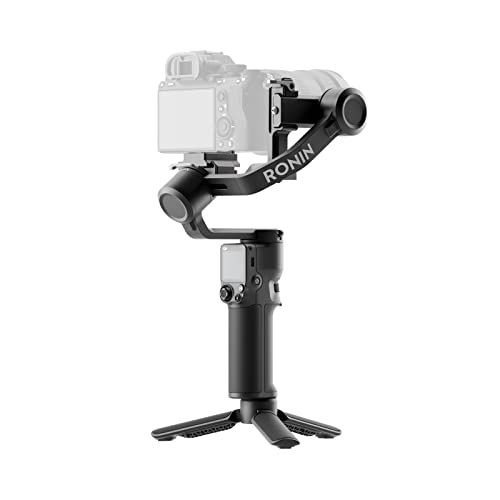
DJI RS 3 Mini is a lightweight 795 g (1.75 lb) 3-axis gimbal designed for travel-friendly stabilization. It supports a tested payload up to 2 kg (4.4 lbs), making it suitable for many DSLR and mirrorless camera configurations. Its native vertical shooting capability helps create seamless vertical content for social media, while Bluetooth shutter control offers convenient capture. The gimbal is built to reconnect quickly after initial pairing, enabling smooth transitions between tracking shots and manual operation.
FeiyuTech SCORP-C2: AI Tracking for DSLRs

FeiyuTech SCORP-C2 offers built-in AI tracking 4.0 and native vertical shooting. Its high-torque motors support up to a 3.5 kg (7.72 lbs) payload, enabling compatibility with a range of Canon, Sony, Panasonic, Nikon, and Fujifilm bodies. Notably, the SCORP-C2 operates without requiring a separate app, yet still delivers reliable target tracking and gesture recognition within about 18 meters. A streamlined vertical switch allows quick orientation changes for social content.
DJI RS 4 Mini: Quick Setup, Pro Tracking

RS 4 Mini emphasizes speed and ease of use with auto axis locks that reduce setup time to about a second. Its Intelligent Tracking keeps subjects framed during orbit shots or solo filming, while Teflon-enhanced balancing supports quick adjustments in fast-paced environments. This makes it well-suited for dynamic action sequences and on-the-fly professional shoots with DSLR or mirrorless cameras.
DJI RS 4: Versatile 3-Axis Stabilizer

DJI RS 4 offers 2nd-gen native vertical shooting for smooth content creation in vertical format. A joystick mode switch enables fast transitions among PF, PTF, and FPV modes, while Teflon-coated axis arms reduce friction for precise balancing. This model balances compact form with robust capability, making it a versatile choice for DSLR and mirrorless rigs that require dependable stabilization across shooting styles.
DJI RS 4 Pro: High-Torque Cinema-Ready Stabilizer

RS 4 Pro is designed for demanding setups with a 4.5 kg (10 lbs) payload. It features 2nd-gen native vertical shooting, increased motor torque, and carbon fiber axis arms to accommodate mainstream mirrorless and cinema cameras with larger lenses. The model also introduces enhanced control options, including remote dual focus and zoom motor control via a dedicated joystick, expanding cinematic possibilities for professional productions.
Buying Guide
When choosing a DSLR camera gimbal stabilizer, consider payload compatibility, weight, and balance ease. For compact travel setups, consider models like the RS 3 Mini or RS 4 Mini, which emphasize portability and quick setup. For heavier cinema or full-frame rigs, the RS 4 Pro provides higher torque and a larger payload capacity, enabling more versatile lens choices.
Key factors to compare:
- Payload Capacity: Ensure the gimbal can handle your camera body and lens combination with some margin for resilience and balance.
- Vertical Shooting: Native vertical shooting reduces the need for extra adapters and ensures clean vertical footage for social platforms.
- Tracking and Control: Built-in AI or intelligent tracking features help maintain subjects in frame during dynamic shots; joystick or remote control adds precision for complex movements.
- Setup Time: Auto axis locks or quick-release plates shorten the time between shots, particularly in fast-paced shoots or run-and-gun scenarios.
- Weight and Ergonomics: Lighter rigs reduce fatigue during long shoots, while ergonomic handles or detachable options offer flexibility for different shooting styles.
- Compatibility: Confirm compatibility with your camera brand and model, including full-frame DSLRs and mirrorless options, as well as any intended future upgrades.
- Accessories: Consider whether you need additional features such as remote control, focus/zoom motors, or expansion ports for accessories.
In comparing these options, filmmakers should align their choice with the primary shooting context—travel and quick-turnaround projects favor lighter, easier-to-use models, while cinema-focused productions benefit from higher payload capacity and advanced control features. Both approaches benefit from reliable stabilization, precise balancing, and responsive tracking to achieve smooth, professional footage with a DSLR or mirrorless system.