Best Digital SLR Camera Lenses for Sharp, Professional Photos
Whether you’re upgrading your kit or building a versatile DSLR setup, selecting the right lenses matters. This guide spotlights five highly capable options across Canon and Nikon that cover everyday versatility, macro detail, and portrait separation. From standard zooms to prime lenses, each option balances optical performance, handling, and value. Review the quick snapshot table for a fast comparison, then explore detailed sections to weigh build, optics, and compatibility with APS-C and full-frame bodies.
| Product | Brand | Focal Range | Aperture | Notable Feature |
|---|---|---|---|---|
| Canon T7 With 18-55mm Kit Lens | Canon | 18-55mm | Kit | 24.1 MP APS-C; Built-in Wi‑Fi |
| Canon EF 100mm Macro | Canon | 100mm | f/2.8 | Macro 1:2.8; IS; L-series |
| Nikon 18-105mm VR DX Lens | Nikon | 18-105mm | f/3.5-5.6 | VR; 5.8x zoom |
| Nikon D5000 Kit With 18-55mm | Nikon | 18-55mm | f/3.5-5.6 | 12.3 MP; D‑Movie; VR |
| Meike 85mm F1.8 Portrait Lens | Meike | 85mm | f/1.8 | Portrait prime; smooth bokeh |
Canon T7 With 18-55mm Kit Lens

The Canon EOS Rebel T7 is a beginner-friendly DSLR that pairs a 24.1 MP APS-C sensor with a straightforward interface. The included 18-55mm kit lens covers everyday scenes from landscapes to portraits, while built-in Wi-Fi and NFC simplify sharing and remote control. A 9-point AF system and the DIGIC 4+ image processor help deliver reliable results in daylight and modest lighting. This combination makes the T7 a strong starter option for photographers who want a balanced, all-purpose kit with modern connectivity.
Beyond stills, the camera supports Full HD video, making it versatile for simple vlogging and family projects. The kit lens provides practical flexibility for travel and everyday shooting, and the overall system remains light enough for casual carry. If you seek an approachable entry into DSLR photography with dependable optics, this Canon kit is worth considering.
Canon EF 100mm Macro Lens

The Canon EF 100mm f/2.8L IS USM Macro Lens is a dedicated macro prime designed for close-up detail on Canon DSLRs. Its 100mm focal length offers a comfortable working distance, while a maximum aperture of f/2.8 yields shallow depth of field and subject separation. The L-series build is durable, and image stabilization helps reduce handshake at closer distances. Note that tele-extenders such as the 1.4x II and 2x II cannot be used with this lens, so plan your macro work accordingly. The diagonal angle of view is about 23.4 degrees.
Ideal for flowers, insects, and product photography, this lens shines when you need sharp, high-contrast macro images with reliable performance. Its macro capabilities are balanced by a versatile working distance and premium construction, making it a strong choice for serious macro enthusiasts who shoot with Canon systems.
Nikon 18-105mm VR DX Lens
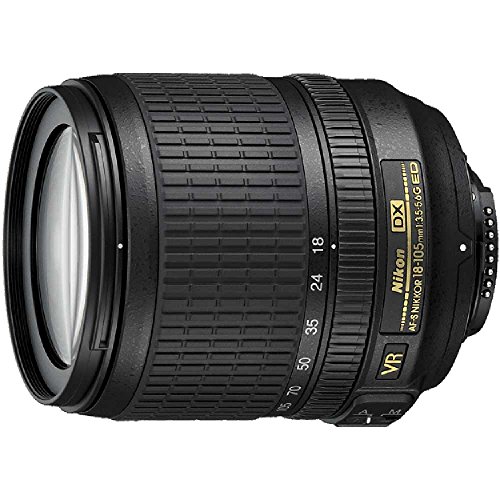
The Nikon 18-105mm f/3.5-5.6 AF-S DX VR ED NIKKOR lens offers a broad focal range suited to travel, landscapes, and portraits. It is built for DX-format DSLRs and includes Vibration Reduction to stabilize handheld shots up to several shutter speed stops slower than usual. The 18-105mm range provides a practical alternative to swapping lenses and covers both wide-angle and short-telephoto perspectives. Its all-around versatility makes it a solid choice for those who want one lens for most everyday situations.
With a 5.8x zoom and a relatively compact design, this lens balances reach and practicality. It’s ideal for beginners and enthusiasts who value convenience without sacrificing image quality. The VR feature helps maintain sharpness in varied lighting, while the rendering remains sharp and natural across the zoom range.
Nikon D5000 Kit With 18-55mm

The Nikon D5000 kit pairs a 12.3 MP DX-format CMOS sensor with an 18-55mm VR kit lens, offering entry-level photographers a solid blend of image quality and flexibility. The camera features a 2.7-inch vari-angle LCD, D-Movie mode with sound, and VR image stabilization to help steady handheld shots. This combination makes the kit suitable for everyday photography, family events, and learning the basics of exposure and composition.
While not the newest model, the D5000 kit remains a capable option for beginners who want a reliable, easy-to-use DSLR with a flexible zoom lens. The VR lens and adjustable screen support creative angles and quick learning progression as you practice lighting, composition, and motion control.
Meike 85mm F1.8 Portrait Lens

Meike 85mm F1.8 is a standard full-frame portrait lens that delivers a flattering perspective on Canon and other DSLR bodies. The fast maximum aperture of f/1.8 provides strong subject isolation and creamy background blur (bokeh), while the 9-element-in-6-group design helps maintain sharpness across the frame. The approximate diagonal field of view is 28.5 degrees, making it well suited for portraits, events, and environmental portraits on APS-C bodies as well. The build aims for solid performance at an affordable price point, making it a popular choice for enthusiasts who want a dedicated prime for portraits.
On a budget-friendly note, this Meike lens offers competitive optical quality and a practical focal length for tighter headshots and mid-distance portraits. Its compact form and smooth rendering make it a reliable everyday prime for photographers who value depth of field control and consistent image quality without a premium price tag.
Buying Guide
When choosing a DSLR lens, consider your camera system, primary subjects, and budget. The following considerations help compare the five lenses listed above and similar options from Canon and Nikon.
Compatibility and Mount
- Ensure the lens mount matches your DSLR (Canon EF/EF-S or Nikon F). Some lenses are designed for full-frame bodies, others for APS-C sensors. If you plan to stay with crop-sensor bodies, verify compatibility with your camera model.
- Check whether the lens can be used with teleconverters or extenders, as some lenses disallow such accessories (noted in macro options).
Focal Range and Use Case
- General-purpose zooms (like 18-55mm and 18-105mm) cover landscapes, street, and casual portraits without frequent lens swaps.
- Macro lenses (100mm macro) excel at close-up detail, texture, and product photography.
- Portrait primes (85mm) offer strong subject separation and shallow depth of field for flattering head-and-shoulders shots.
Aperture and Depth of Field
- Fast primes (f/1.8 or f/2.8) deliver excellent bokeh and better low-light performance but are often less flexible for framing at very close distances.
- Lenses with macro capability and sharp mid-range apertures deliver high-contrast detail with controlled backgrounds.
Image Stabilization and Autofocus
- Built-in image stabilization (IS/VR) helps in low light and with longer focal lengths, reducing blur from camera shake.
- Autofocus speed and accuracy vary by lens and body; consider how you shoot (sports, portraits, macro) when evaluating AF performance.
Budget, Build Quality, and Value
- Prime lenses often deliver superior sharpness and bokeh at a cost, while zooms provide flexibility and convenience.
- Consider total ownership: compatibility with existing bodies, handling weight, and the type of photography you pursue most.