Best Digital Rangefinder Cameras for 2026
This article highlights top digital rangefinder-style cameras and high-quality compact options that blend classic control layouts with modern imaging. Each pick emphasizes quick manual access, film-sim style creativity, and interchangeable or versatile lenses, helping photographers capture cinematic looks with precision.
| Product | Type / Highlights | Notable Feature |
|---|---|---|
| FUJIFILM X-E5 Kit | Mirrorless with film-inspired design | Custom Film Simulation dial, interchangeable X Mount lenses |
| Fujifilm X100VI | Fixed-lens rangefinder-style | Analog controls, film-camera-inspired UX |
| Leica M11 Monochrom | Monochrome rangefinder | 60MP full-frame, CFA-less sensor for pure luminance |
| Leica M11 | Full-rangefinder platform | Triple Resolution Technology, high ISO flexibility |
| Fujifilm X100F | APS-C rangefinder-style compact | Advanced X-Trans sensor, versatile manual controls |
FUJIFILM X-E5 Mirrorless Kit
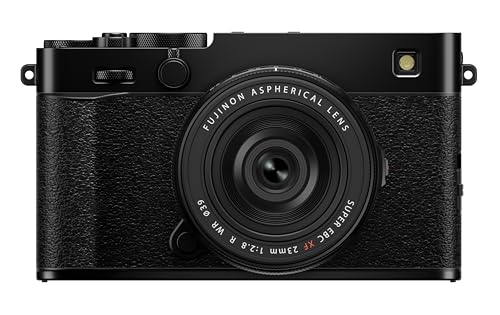
The FUJIFILM X-E5 mirrors the film-camera vibe with interchangeable lenses and authentic analog controls. The body blends a premium aluminum top-plate with a compact form, delivering a durable, stylish chassis. It supports over 40 X Mount optics and accessories, including the XF23mmF2.8 lens, making it a flexible choice for street and documentary work. A customizable Film Simulation dial places three user presets under an accessible window for quick shader changes in the field. Bluetooth connectivity enhances workflow while preserving a tactile, nostalgic feel.
Fujifilm X100VI Digital Camera

The Fujifilm X100VI expands classic rangefinder aesthetics with a high-performance sensor and classic controls. It features a refined body language and a fixed-lens approach that prioritizes shooter speed and portability, while delivering immediate results with familiar tactile dials and a film-like color profile. In-camera processing and film simulations simplify color grading on the fly, making it a strong choice for candid street photography and travel storytelling.
Leica M11 Monochrom
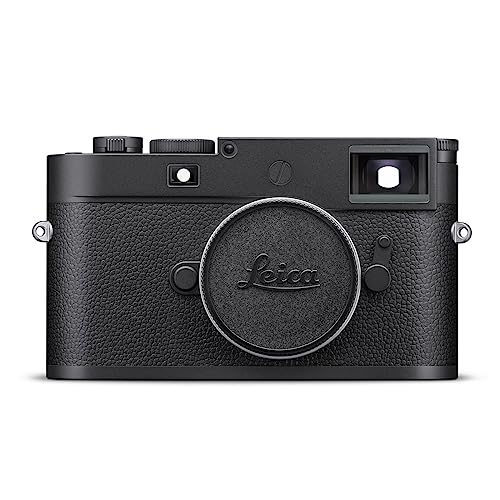
The Leica M11 Monochrom emphasizes luminance capture by removing the color filter array, enabling exceptionally pure monochrome imagery with enhanced clarity and depth. It relies on the Triple Resolution Technology to offer 60MP, 36MP, or 18MP outputs using the full sensor area, balancing detail with noise control. The Maestro III processor supports quick operation, including continuous shooting up to 4.5 fps, and the expanded ISO range enables versatile low-light capture with minimal color noise.
Leica M11 Digital Rangefinder

The Leica M11 combines a full-frame BSI sensor with Leica’s triple-resolution approach, enabling 60, 36, or 18 megapixel outputs while using the entire sensor. The blend of the new IR/UV cut filter and refined ergonomics supports precise manual operation and dependable image quality across lighting conditions. The controls are thoughtfully arranged around a high-resolution touchscreen, providing a modern workflow in a classic chassis.
Fujifilm X100F

The Fujifilm X100F combines a 24.3MP X-Trans CMOS III sensor with an intuitive control layout and a fixed 23mm equivalent lens. This camera is renowned for its improved autofocus leverage, expanded focus points, and the inclusion of a built-in ISO dial. The combination of a capable sensor and thoughtful ergonomics makes it a versatile choice for street photography, travel, and documentary work, preserving a timeless rangefinder-like shooting experience.
Buying Guide
- Sensor and image quality: Rangefinder-style cameras favor tactile control and color rendering. Consider models with high-resolution sensors and robust film simulations if you want cinematic output without heavy editing.
- Lens ecosystem: Interchangeable-lens bodies (like the X-E5) provide flexibility, while fixed-lens options (like the X100VI) emphasize portability and speed. Evaluate how often you’ll swap lenses.
- Controls and usability: Look for analog dials and a logical layout that supports quick adjustments in the field. A configurable Film Simulation dial or quick-access controls boost efficiency.
- Low-light performance: ISO range and noise behavior influence versatility. Monochrome-focused models can excel in high-contrast scenes but may require different planning for color work.
- Ergonomics and build: Aluminum-top plates and weather sealing (where offered) support durability for daily carry. Comfort during extended shoots matters for long sessions.
- Workflow compatibility: Bluetooth or USB-C connectivity can streamline transfers, backups, and remote control. Consider how the camera fits into your existing setup.
- Budget considerations: While top-tier rangefinder cameras offer premium features, several models provide strong results at varied price points. Balance future-proofing with current needs.