Best Digital Camera Memory Cards for High-Resolution Photos and 4K Video
Choosing the right memory card is essential for capturing high-quality images and smooth video with digital cameras, especially when shooting in high resolutions or 4K. The cards below are popular options from reliable brands, offering a range of capacities and speeds to fit diverse shooting needs—from everyday photography to professional workloads. This guide highlights five strong picks and outlines key considerations to help you pick the best card for your camera and workflow.
| Product | Brand | Capacity | Type | Notable Speed |
|---|---|---|---|---|
| Kodak EKMSD32GHC10K | KODAK | 32 GB | SDHC | Up to 85 MB/s read |
| SanDisk Ultra Plus 128GB | Sandisk | 128 GB | SDXC | Up to 140 MB/s read |
| SanDisk Ultra 32GB SD Ultra | Sandisk | 32 GB | SDHC | Up to 100 MB/s read |
| Kodak EKMSD128GXC10K | KODAK | 128 GB | SDXC | Up to 85 MB/s read |
| SanDisk 256GB Extreme | Sandisk | 256 GB | SDXC | Up to 180 MB/s read |
Kodak 32GB UHS-I SDHC Memory Card

Kodak’s premium SDHC card delivers reliable storage with solid read speeds, ideal for Full HD video and high-resolution photography. With 32 GB, users can store a substantial number of photos and clips before needing a transfer. The card’s performance is aligned with Class 10 requirements, supporting consistent write speeds suitable for everyday shooting in compatible devices.
SanDisk Ultra Plus 128GB SDXC UHS-I

This 128 GB SanDisk Ultra Plus card is designed to balance capacity and speed for compact to mid-range cameras. It offers rapid transfer rates—up to 140 MB/s read in testing scenarios—facilitating quick offloads and smoother workflow when handling large photo files and video clips. Real-world speeds can vary based on the host device and usage conditions.
SanDisk 32GB Ultra 100MB/s SDHC

This 32 GB SanDisk Ultra card provides dependable storage for everyday shooting. With up to 100 MB/s read speeds and a Class 10 rating, it supports Full HD capture and quick media transfers, making it a practical choice for camera users who need a simple, reliable solution for standard shooting tasks.
Kodak 128GB SDXC Premium Card

The 128 GB Kodak SDXC card expands storage while maintaining reliable read performance. It aims to support Full HD video recording and high-resolution photography with adequate space and a balanced speed profile. The card is compatible with SDXC devices and offers a generous capacity for many shooting sessions.
SanDisk 64GB Ultra SDXC UHS-I
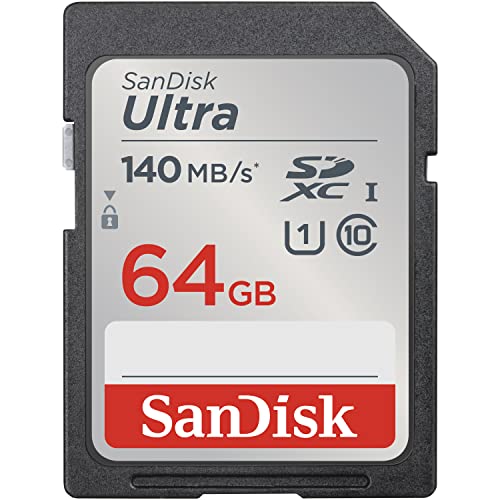
This 64 GB SanDisk Ultra card emphasizes speed and reliability, with transfer speeds reaching up to 140 MB/s in certain tests. It suits compact to mid-range cameras and provides ample space for a typical day of shooting, balancing capacity and performance for everyday photographers.
Amazon Basics 128GB Micro SDXC with Adapter

The Amazon Basics card provides a broad compatibility solution with onboard adapters, ensuring use across smartphones, action cameras, laptops, and more. It supports high-speed data transfer with read speeds up to 100 MB/s and UHS Class ratings that help in filming and storing Full HD and 4K content where supported by the device.
Gigastone 128GB SD Card with 5 Years Data Recovery

Gigastone’s 128 GB SD card emphasizes data recovery services and 4K compatibility. With speeds up to 100 MB/s, it supports 4K UHD video and suggests a robust recovery option. This card is suitable for photographers and videographers who want an added layer of data protection alongside strong performance.
SanDisk 256GB Extreme SDXC UHS-I

SanDisk’s Extreme line offers high capacity and top-tier performance, with up to 180 MB/s read speeds and up to 130 MB/s write speeds in capable setups. This card is designed for professionals working with 4K video and large RAW photo files, providing substantial space and rapid data transfer for demanding workflows.
Buying Guide
Key factors to consider when selecting a digital camera memory card include capacity, speed, device compatibility, and intended use. Here are several perspectives to help you decide.
- Capacity vs. workflow: Higher capacity (64–256 GB) is beneficial for 4K video and burst photography, reducing the need for frequent offloads. If you primarily shoot stills in RAW, a larger card can be advantageous.
- Speed class and performance: Look for UHS-I or UHS-II ratings, Class 10 or U3 for sustained 4K recording. Read speeds matter for quick file transfers; write speeds affect how quickly data can be saved during shooting.
- Camera compatibility: Ensure your camera supports the card’s format (SD, SDHC, SDXC) and its speed class. Some older cameras may not support the fastest UHS modes.
- Durability and reliability: Consider brands with established track records for reliability, as memory cards are small, portable, and prone to wear. Some cards offer data recovery options or warranty support.
- Budget and value: If you need many cards, prioritize a mix of moderate-capacity cards for daily use and a high-capacity card for key shoots to optimize cost per gigabyte.
- Usage context: For travel, journalism, or sports photography, prioritize high write speeds to prevent buffering delays and missed shots; for casual photography, a reliable mid-range card may suffice.
- Data protection: Some cards offer additional recovery services or rugged design to withstand drops or harsh conditions, which can be valuable for fieldwork.
In summary, selecting the right memory card involves balancing capacity, speed, and reliability with your camera’s specifications and shooting style. The products listed above provide a range of options across different capacities and speed profiles to fit common American photography and video workflows.