The GPS geotagging feature helps attach location data to each shot, making it easier to map travel memories. For compact cameras, GPS tagging, image quality, lens options, and connectivity all matter when deciding what to carry on trips. This guide highlights five camera options that either include GPS geotagging or offer strong tagging capabilities along with travel-friendly form factors. From DSLR bodies with built-in GPS to compact bridge cameras and portable 4K cams, these picks balance geolocation usefulness with ease of use. Each entry summarizes core specs and how GPS can streamline your photo workflows on the road.
| Product | GPS Geotagging | Type | Key Benefit |
|---|---|---|---|
| Nikon D5300 With GPS And Wi-Fi | Yes | DSLR (Body) | High-resolution 24.2MP sensor with GPS tagging. |
| Nikon COOLPIX P510 With GPS | Yes | Bridge / Compact | Versatile 42x zoom with location tagging. |
| Nikon D5300 With GPS And Wi-Fi (Intl) | Yes | DSLR (Body) | GPS tagging plus international Wi‑Fi features. |
| 4K Vlogging Camera With Wi-Fi | No | Compact 4K Cam | 4K video and easy wireless sharing. |
| 4K Vlogging Camera With 48MP | No | Compact 4K Cam | High-resolution stills and video in a pocket form. |
Nikon D5300 With GPS And Wi-Fi

The Nikon D5300 is a 24.2 MP DX-format DSLR that pairs high-resolution imaging with built‑in GPS geotagging and Wi‑Fi. The 24MP DX sensor delivers sharp detail, while the 39-point AF system with 3D tracking helps keep subjects in focus across scenes. Its 5 frames per second continuous shooting supports action without missing moments. GPS tagging writes location coordinates into image metadata, simplifying travel photo organization by place. This body‑only design favors a lighter DSLR option for travelers who want robust image quality in a compact, modular package and the flexibility to add lenses or accessories as needed.
Nikon COOLPIX P510 With GPS

The Nikon COOLPIX P510 offers a compact bridge-style form with a 16.1 MP CMOS sensor and a 42x optical zoom (24-1000mm equivalent). GPS location tagging records where photos were taken, and the camera can shoot at up to 7 frames per second, balancing reach with responsiveness for travel photography. The expansive zoom range covers landscapes and distant subjects in a single device, while its portability makes it a traveler’s go-to option. GPS tagging adds value for organizing travel albums, field reports, and memory mapping without needing separate gear.
Nikon D5300 With GPS And Wi-Fi (Intl)
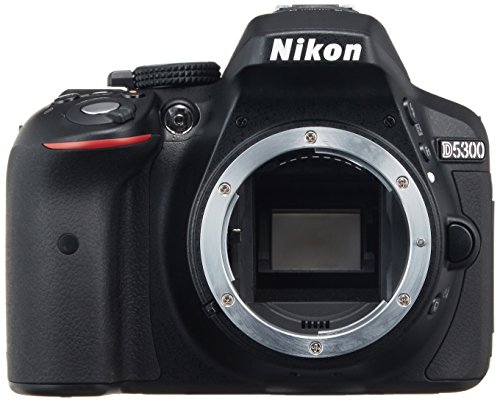
The international Nikon D5300 variant provides GPS geotagging and Wi‑Fi connectivity in an international package. The 24.2 MP DX‑format sensor paired with the EXPEED 4 processor yields crisp images with reliable color and detail, while Full HD 1080p video remains available for on‑the‑go storytelling. GPS tagging embeds location data, simplifying trip logs and photo organization across regions. The Wi‑Fi feature enables remote control and quick sharing to mobile devices, a practical workflow for travelers who want to back up or publish content without a computer. Note purchasing outside the U.S. may affect warranty terms.
4K Vlogging Camera With Wi-Fi

This 4K camera focuses on high‑resolution video with built‑in Wi‑Fi for easy transfer and sharing. It features a CMOS sensor delivering 64MP image output and 4K Ultra HD video, plus 16x digital zoom for flexible framing. The device supports autofocus and is suitable for vlogging and general photography, with a 3″ 180° flip LCD for self‑shots and framing. While the built‑in Wi‑Fi supports quick sharing, GPS tagging is not listed in the features, so geolocation data would not be embedded automatically. It’s a strong pick for creators who prioritize video quality and workflow speed over built‑in geotagging.
4K Vlogging Camera With 48MP

This compact camera emphasizes 4K video and 48MP stills, offering 16x digital zoom and anti‑shake stabilization for steady results. It targets teens and adults seeking a portable option for travel and everyday events, with multiple shooting modes, a selfie-friendly design, and an approachable control layout. GPS geotagging is not specified in the listed features, so location data isn’t embedded by default. For travelers who require geolocation tagging, pairing this model with an external GPS solution or workflow can help capture coordinates alongside your media.
Buying Guide
Key purchase considerations begin with GPS performance. True GPS geotagging depends on satellite visibility and device firmware support. Some cameras embed coordinates in EXIF automatically, while others rely on paired smartphones or external devices to log location data. If GPS accuracy and automatic tagging are priorities, focus on models that explicitly advertise GPS geotagging and compatible mobile apps. Battery life and storage capacity also affect field usability; GPS and continuous metadata writing can drain power, so select cameras with efficient processing and ample memory or easy expansion options.
Image quality and sensor design are the next major factors. A 24.2 MP DX-format sensor delivers crisp detail on the Nikon D5300 options, while 16.1 MP on the P510 leans toward portability with a wider zoom range. Lens versatility matters; the P510’s 42x optical zoom covers a broad creative envelope, whereas a DSLR body with interchangeable lenses offers extended flexibility for portraiture, landscapes, and wildlife. Consider your typical shooting scenarios and whether you prefer a compact all‑in‑one or a modular system that can grow with you on trips.
Connectivity boosts workflow. Built‑in Wi‑Fi enables quick transfer to phones for instant posting or cloud backups, while remote control capabilities can simplify shooting from awkward angles or distances. If GPS tagging is essential, verify that the Wi‑Fi features complement your tagging workflow, as some devices pair GPS with mobile apps for automatic metadata management. For creators focusing on video, 4K capability plus dependable autofocus matters more than GPS in some cases; however, if you film travel diaries, geotagging adds valuable context to your footage when reviewing vintage trips or sharing with others.
Use-case alignment matters. Travelers and casual photographers benefit from GPS tagging for organization and map-based photo catalogs. Content creators may prioritize video quality, microphone options, and quick sharing. Parents and students might prefer kid-friendly models with simplified controls, though those options often omit GPS tagging. Battery life, weight, and durability should align with how you’ll carry the camera during long explorations or active days. Finally, consider warranty coverage and regional support, especially for international versions, to avoid surprises if you travel frequently or plan to upgrade later.
- GPS-enabled models: great for travel logs and mapping photos to locations.
- Non-GPS models: often lighter or more affordable but require a tagging workflow if you need coordinates.
- 4K video: valuable for creators; confirm if GPS is essential or supplementary.
- Warranty and regional support: international variants may have different warranty terms.