Best Cheap Interchangeable-Lens Cameras for Budget Vloggers
In today’s creator ecosystem, you can secure a capable interchangeable-lens camera without blowing your budget. The best affordable options emphasize compact size, solid video features, and a growing lens ecosystem, so you can upgrade without a major overhaul later. This guide spotlights five budget-friendly models that balance image quality, autofocus, and portability for budding vloggers and hobbyists. Each entry highlights its strengths to help you compare at a glance before diving into deeper specs and user-focused buying tips.
| Product | Brand | Key Features |
|---|---|---|
| Sony ZV-E10 Kit for Vlogging | Sony | 24.2MP APS-C sensor; 4K oversampled from 6K; Product Showcase AF |
| Canon EOS RP Kit for Travel | Canon | Full-frame; RF 24-105mm; up to 5-stop IS; 0.66 ft close focus |
| Sony Alpha 7 IV Kit | Sony | 33MP full-frame; 4K 60p 10-bit; BIONZ XR |
| Sony Alpha 6700 Kit | Sony | 26MP APS-C; AI subject recognition; 4K video |
| Sony Alpha a6400 Kit | Sony | 20.1MP; Real-time Eye AF; 11fps |
Sony ZV-E10 Kit for Vlogging

The Sony ZV-E10 centers on creator-friendly video and compact form. It uses a large 24.2 MP APS-C Exmor CMOS sensor paired with a fast BIONZ X processor to deliver sharp stills and strong 4K video. The camera’s 4K footage is oversampled from a 6K source with full pixel readout, which reduces noise and enhances detail while avoiding pixel binning. This combination makes everyday filming—whether indoors or on the go—clear and cinematic, even in challenging light.
Designed with vloggers in mind, the ZV-E10 includes a dedicated Product Showcase setting that quickly shifts focus from face to object, helping present products smoothly. The camera offers a flip-out screen, microphone options, and straightforward controls, making it accessible for beginners while still capable enough for seasoned creators exploring lighter setups. Its compact body and solid battery life support longer shoots away from mains power.
Canon EOS RP Kit for Travel

The Canon EOS RP kit emphasizes a compact, lightweight full-frame experience paired with a versatile RF 24-105mm lens. This combination provides flexibility for travel photography, portraits, and everyday filming. The RF 24-105mm lens covers a broad range with smooth focus, while Canon’s stabilization and color science help deliver stable, pleasing footage and natural skin tones in diverse conditions.
With up to 5 stops of optical image stabilization on the lens, you gain steadier handheld shots, which is especially valuable when shooting video in the field. The EOS RP’s autofocus performance is reliable for a budget-friendly full-frame entry, offering solid subject tracking and credible low-light performance. A minimum focusing distance around the auto focus range enables enjoyable close-up work and creative framing.
Sony Alpha 7 IV Kit

The Sony Alpha 7 IV is a major step up for budget-minded creators seeking full-frame quality. It features a 33MP Exmor R full-frame sensor and the next-generation BIONZ XR processing engine, delivering high-resolution images with robust detail and color fidelity. For video, the camera supports up to 4K at 60p with 10-bit 4:2:2, while maintaining full-pixel readout in all formats—meaning sharp, true-to-life footage with ample color grading headroom in post.
In addition to its image quality, the A7 IV excels in autofocus and handling. With improved real-time tracking and skin-tone reproduction, you can shoot fast-moving subjects with confidence. The included 28-70mm kit lens keeps the package versatile for street photography, portraits, and everyday video work, making it a compelling entry into full-frame without breaking the bank.
Sony Alpha 6700 Kit

The Sony Alpha 6700 targets buyers who want an advanced APS-C option with modern subject-recognition capabilities. Its 26MP Exmor R back-illuminated sensor, combined with the BIONZ XR engine, supports crisp detail and reliable color across stills and video. A standout feature is the dedicated AI Processor and Real-time Recognition for accurate subject tracking, which helps maintain focus on people or objects during dynamic vlogging or street photography.
The 6700’s compact body is paired with a versatile 16-50mm zoom lens, making it a practical all-rounder for budding creators. With 4K video and efficient autofocus, this kit balances performance and portability, appealing to travelers and creators who want high-quality results without a heavy setup.
Sony Alpha a6400 Kit
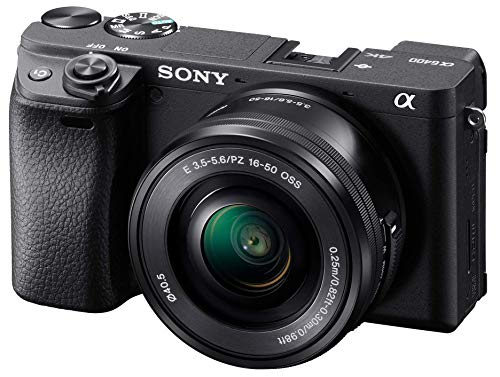
The Sony a6400 is a popular budget-friendly option known for its reliability and solid autofocus. It features a 20.1MP stacked back-illuminated Exmor RS CMOS sensor with DRAM, delivering fast performance and smooth handling for both stills and video. The camera’s autofocus system includes Real-time Eye AF and a broad AF point coverage, which are especially valuable for portrait work and dynamic scenes. The included kit lens (commonly 16-50mm or similar) keeps the setup compact and versatile for everyday shooting and travel.
For creators who value reliability and a robust lens ecosystem, the a6400’s balance of image quality, focusing precision, and portability makes it a strong contender in the budget segment. Its established performance, combined with Sony’s growing lineup of E-mount lenses, provides room to grow as you expand your kit over time.
Buying Guide
Key purchase considerations
- Budget vs. full-frame vs. APS-C: Full-frame bodies like the EOS RP and the Sony A7 IV deliver improved image quality and dynamic range, especially in low light, but at a higher cost and larger lenses. APS-C models (ZV-E10, A6700, A6400) are typically lighter, more affordable, and offer excellent value with a strong lens ecosystem for beginners and travelers.
- Video capabilities: Look for 4K recording with full-pixel readout and 10-bit or higher color depth if you plan to grade footage. Oversampling from higher-resolution sources often improves detail and reduces artifacts. Consider frame rates (24/30/60p) and color options that suit your editing workflow.
- Autofocus performance: Real-time subject tracking, eye detection, and face detection are essential for vloggers and action shots. A reliable AF system reduces missed moments and reduces editing time later.
- Lenses and ecosystem: A broad selection of affordable, quality lenses helps you tailor your setup to your content. Native lens options impact weight, speed, and image character. Consider future expansion if you anticipate upgrading lenses down the line.
- Portability and ergonomics: For on-the-go shooting, body size, weight, grip comfort, and handling matter. A compact body with a balanced kit lens enables longer shoots without fatigue.
- Battery life and charging: Longer battery life reduces downtime. Some cameras support USB charging or external power options, which can be crucial for travel vlogging.
- Stability and stabilization: In-body or lens-based stabilization helps you shoot smoother video and reduces blur in handheld photography, particularly in low light or when shooting with longer focal lengths.
- Display and usability: A flip-out touchscreen is highly beneficial for vlogging and self-recording. A high-quality electronic viewfinder can improve composition in bright outdoor conditions.
- Future-proofing: Look for features that align with your growth path—4K, high-quality codecs, robust autofocus, and a vibrant lens ecosystem. A camera that meets your current needs and scales with you will provide better long-term value.
How to compare models side by side
- Sensor size and resolution: Full-frame sensors enhance low-light performance and dynamic range, but APS-C cameras remain excellent for many creators due to lighter weight and lower lens cost.
- Video format options: Ensure the camera supports the color depth and bitrate you need for editing flexibility. Some models offer 10-bit recording or log profiles to maximize post-production latitude.
- Autofocus features: Compare Real-time Eye AF, Face Detection, and subject-tracking capabilities across models. Video-centric features like Face Priority in Product Showcase mode can influence your decision if you focus on product demos or talking-head videos.
- Lens investment: Budget-friendly bodies often pair with affordable lenses that still deliver solid image quality. Consider bundle options that include a versatile zoom kit to maximize immediate usability.
- Weight and travel suitability: If you travel a lot or shoot handheld for long periods, lighter bodies with compact lenses reduce fatigue and equipment risk.
- Resale value: Brands with a robust second-hand market preserve more value, which matters if you plan to upgrade after a period of use.
In summary, the best cheap interchangeable-lens camera for you depends on balancing your primary use—vlogging, travel, or casual photography—with your willingness to invest in lenses and accessories. For content creators prioritizing video features and portability, APS-C options like the Sony ZV-E10 or the Sony 6700 offer strong value with reliable autofocus and growing lens ecosystems. If you want full-frame benefits and superior low-light performance on a budget, the Canon EOS RP remains a solid entry point, while the Sony A7 IV provides advanced capabilities for more ambitious projects. Any of these choices can serve as a reliable foundation for a growing creator kit.