Best Film Changing Bags for Safe Light-Tight Film Developing
This article evaluates top-performing film changing bags and tents designed to shield film from accidental light exposure during the loading and development process. The selections emphasize anti-static materials, robust light-sealing features, roomy interiors, and portability for field or studio use. Each product below is chosen for reliability in standard darkroom workflows and compatibility with common developing canisters and tanks. Read on to compare sizes, fabrics, and design details that affect usability and workflow efficiency.
| Product | Brand | Approx. Size | Key Feature |
|---|---|---|---|
| Darkroom Equipment eTone Film Changing Bag | eTone | 22 x 22.8 in | Light seal, anti-static, foldable |
| VANZAVANZU Darkroom Bag | VANZAVANZU | 23.3 x 23.3 in | Thick cotton fabric, anti-static |
| JJC Darkroom Film Changing Tent | JJC | 19.6 x 15.4 x 9.5 in (assembled) | Detachable frame, light-blocking |
| KDIMSY Film Changing Bag | KDIMSY | 23.6 x 21.6 in | Anti-static, two-layer seal |
| YCCLDIPL Darkroom Bag | YCCLDIPL | 24 x 24 in | Anti-static, sealed |
Darkroom Equipment eTone Film Changing Bag (22×22.8)

The eTone bag features a high-density polyester outer layer with a silver-lined interior, delivering reliable light sealing. A sturdy zipper and Velcro closure contribute to durability, while anti-static construction minimizes dust attraction on negatives. With a Cinestille-inspired spacious interior, it accommodates standard film loads and tanks, and a foldable design lets you compress it to pocket size for travel, weighing only about 5 ounces. This model prioritizes portability without sacrificing light-tight performance.
VANZAVANZU Darkroom Bag (23.3 x 23.3)
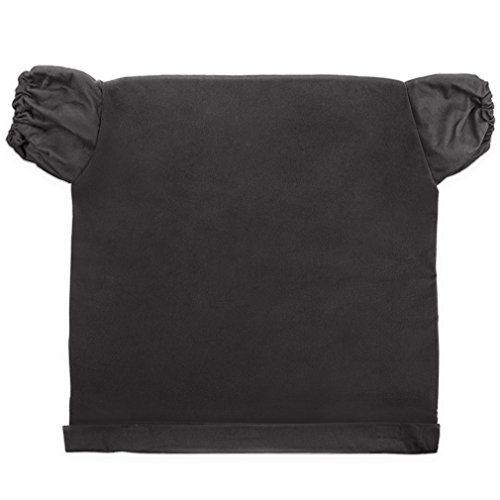
- Size and bulk loading: Designed for larger loads, the bag measures about 23.2 x 23.4 inches for bulk film handling.
- Material and anti-static: Built from dense fabric with anti-static properties to minimize dust and static discharge during unload and load.
- Light sealing: The bag features a sealed design to maintain darkness during operations, reducing the risk of fogging.
This option emphasizes a robust, bulk-friendly interior suitable for serious film workflows, especially when handling larger developing tanks or multiple reels.
JJC Darkroom Film Changing Tent (Detachable Frame)

The JJC tent offers enlarged working space to transfer film from canister to developing tanks without light exposure. It uses two layers of light-blocking fabric and heat-sealed seams for a continuous lightproof interior. A detachable fiberglass frame makes setup quick and sturdy, enabling reliable support during delicate loading tasks. While the footprint is larger than a standard bag, it provides improved maneuverability for big formats or multiple canisters, reducing handling fatigue during the development process.
KDIMSY Film Changing Bag (23.6 x 21.6)

This oversized bag supports bulk loading with an open size of 23.6 x 21.6 inches. It uses anti-static material to protect delicate negatives from dust and static and features a two-layer sealed cuff with a robust zipper and Velcro, ensuring a light-tight environment throughout the operation. The design emphasizes reliable containment while keeping the interior accessible for efficient film handling during development.
YCCLDIPL Darkroom Bag (24 x 24)

The YCCLDIPL bag offers a balanced 24 x 24-inch footprint with anti-static fabric and a sealed interior for secure light control. Its sturdy construction is designed to support bulk loading and processing workflows, making it suitable for both professional studios and dedicated home darkrooms. The durable material and sealing system help maintain consistent film quality during development tasks by minimizing stray light exposure.
Buying Guide
- Size and format compatibility: Choose a bag or tent that fits the largest film format you work with, whether 35mm reels, 120, or larger formats. Ensure the interior space accommodates reels, canisters, and development tanks without crowding.
- Light sealing integrity: Look for multi-layer light-blocking fabrics, heat-sealed seams, and robust zippers or Velcro closures. These features reduce light leaks that can fog negatives during loading and unloading.
- Anti-static materials: Anti-static fabrics help minimize dust attraction and static discharge that can attract grains to film emulsion. This is especially important for high-sensitivity films.
- Durability vs. portability: Heavier bags or tents with larger interiors may be less portable. Balance the need for space with how often you carry or travel with your darkroom gear.
- Setup and teardown: Detachable frames or simple folding designs can save time between sessions. Consider whether you prefer a quick-setup tent or a foldable bag for quick stowage.
- Maintenance: Seek fabrics that are easy to clean and resistant to moisture or mildew. A bag that tolerates occasional cleaning will last longer in busy workflows.
- Budget and usage scenario: For frequent bulk loading, prioritize larger, more robust options. For occasional field work, lighter, compact bags with strong light sealing may suffice.
- Accessibility: Check if the design allows easy access to the film canister and tank interiors without compromising light-tightness during operation.
Across these choices, buyers should consider the balance of interior space, sealing reliability, material durability, and portability. The five options highlighted here provide a spectrum from compact, highly portable bags to larger, more open tents that support bigger formats and bulk loading. Selecting the right model depends on your typical film sizes, workflow, and whether you value speed, simplicity, or maximum protection against light leaks during development.