Best CCD Camera for Astrophotography: Top Picks for Clearer Night Sky Images
Choosing a reliable CCD or CMOS camera for astrophotography can transform how you capture the night sky. The following selections emphasize ease of use, image quality, and compatibility for beginners and enthusiasts alike. Each option supports lunar, planetary, and deep-sky imaging to varying degrees, with plug‑and‑play features and software compatibility to help you quickly start capturing stunning celestial targets.
| Product | Brand | Type | Main Benefit |
|---|---|---|---|
| SVBONY SV105 | SVBONY | Eyepiece Camera | Beginner-friendly imaging with real-time view |
| SVBONY SV305C | SVBONY | Color Imaging Camera | IMX662 sensor, good for planetary and EAA |
| SVBONY SV205 | SVBONY | CMOS Imaging Camera | High frame rate, good low-light performance |
| SVBONY SC311 | SVBONY | WiFi Eyepiece Camera | Wireless access for quick previews of the Moon |
| AOMEKIE Digital Eyepiece | AOMEKIE | Digital Eyepiece | Broad compatibility with telescopes and microscopes |
Note: The selections focus on practical imaging options with varying sensor types and connectivity to support a range of astrophotography goals, from quick lunar videos to more detailed planetary sessions.
SVBONY SV105 Telescope Camera Review
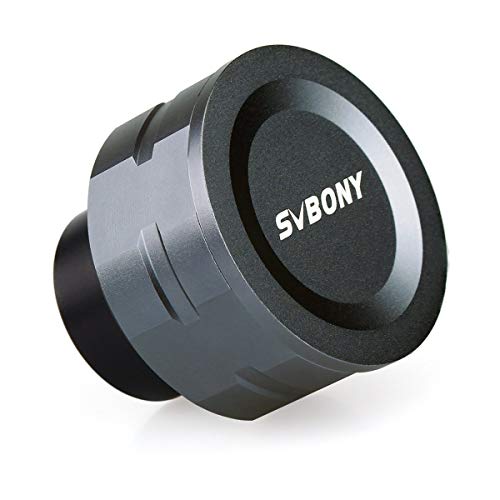
The SV105 is an entry-level electronic eyepiece designed for beginners who want to start astrophotography with minimal setup. It is a 1.25″ camera compatible with common telescopes and can capture lunar and planetary imagery. Real-time viewing can be sent to a laptop or PC, supporting quick video recordings of bright targets like the Moon and planets. Plug-and-play operation means no driver installation for basic use, while Windows users can download Sharpcap Capture for enhanced capture. Linux users may use AstroDMx Capture, and Android users can access USB camera support.
SVBONY SV305C Astrophotography Camera

The SV305C is a color entry-level telescope camera with a 1.25″ eyepiece interface and removable UVIR cut glass. It uses the IMX662 sensor, a 1/2.8” back-illuminated sensor with 2.9 μm pixels, designed for planetary and lunar imaging and EAA (electronic-assisted astronomy). It offers improved light sensitivity and reduced readout noise, helping to avoid overexposure in bright skies. This model is suitable for users who want a straightforward path to high-contrast planetary images and quick lunar captures without extensive equipment setup.
SVBONY SV205 Astrophotography Camera
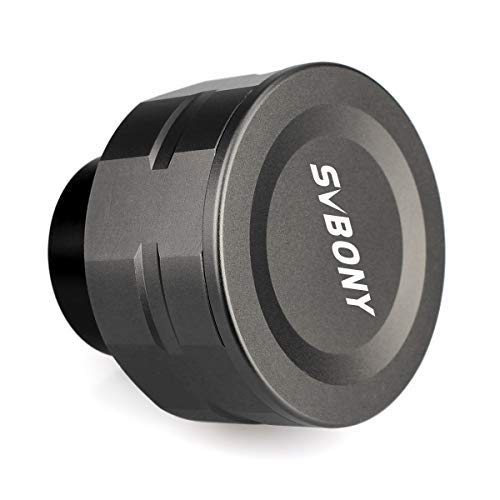
The SV205 is a 7.05MP CMOS astrophotography camera with 1.25″ eyepiece compatibility and USB 3.0 connectivity. It supports plug-and-play operation and real-time dynamic observation with clear imagery. The camera utilizes dark frame compensation to improve low-light image quality and offers MJPG at up to 30 FPS at 1080p, along with YUV uncompressed options. It is ideal for users who want to capture real-time video of bright planets, the Moon, and terrestrial targets and share sessions with others through a computer link.
SVBONY SC311 WiFi Telescope Camera Eyepiece

The SC311 is a WiFi-enabled eyepiece camera using the IMX662 sensor and designed for Moon photography. It offers multiple device connections and 1080p output. It is important to note that it cannot be used independently for imaging without a telescope, as effective astrophotography requires pairing with a telescope. This model emphasizes convenient wireless previews and portability for lunar sessions and quick-field checks before longer imaging runs.
AOMEKIE Digital Eyepiece For Telescopes
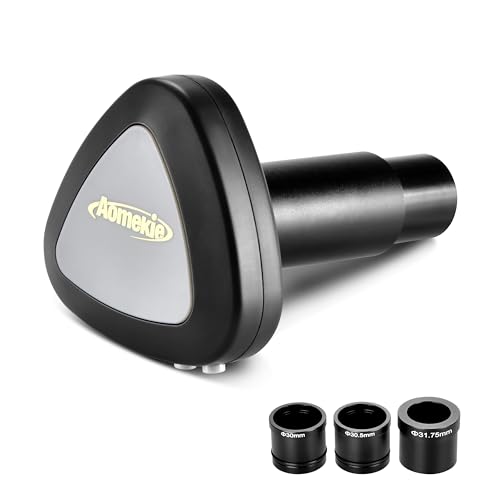
The AOMEKIE Digital Eyepiece is a versatile 1080P FHD video camera that also captures 2MP photos. It supports iOS, Android, and PC connections, including WiFi, enabling real-time streaming from the telescope to a computer or mobile device. It includes multiple adapter rings for compatibility with various telescopes and microscopes and features a built-in 800 mAh battery for on-the-go use. This option suits observers who want a flexible, portable imaging solution across different optical setups.
Buying Guide
Key purchase considerations help you choose the best camera for your setup and goals:
- Sensor type and size: Larger sensors and advanced sensors (like back-illuminated designs) generally offer better low-light performance and detail for deep-sky work, while high-contrast lunar and planetary imaging can benefit from sensitive CMOS sensors.
- Resolution and frame rate: Higher resolution helps with detailed planetary and lunar shots, but higher frame rates aid in stacking and reducing noise for EAA and video captures.
- Connectivity: USB 3.0, WiFi, and plug-and-play compatibility influence ease of use. Some models pair with software like Sharpcap, AstroDMx Capture, or vendor apps for quick sessions.
- Optical compatibility: Check the 1.25″ or 2″ interface, and ensure the camera works with your existing telescope and an appropriate UV/IR cut filter if needed for color accuracy and sharpness.
- Software ecosystem: Availability of capture, stacking, and processing tools, plus driver support for Windows, Linux, and Android, affects long-term usability.
- Imaging goals: For lunar/planetary work, sensors with low readout noise and high sensitivity are valued; for beginner astrophotography and EAA, ease of use and immediate viewing may trump ultimate image detail.
- Power and portability: Battery life on portable eyepiece cameras matters for field observations, especially when WiFi or wireless devices are used.
Depth comparisons across models reveal trade-offs between ease of use and imaging capability. Entry-level cameras like the SV105 emphasize quick setup and live viewing, while higher-resolution options like the SV205 offer more flexible video and stacking potential. Accessory devices such as the SC311 provide wireless previews but depend on an external telescope for actual imaging. For mixed uses, adapters and compatibility with various software tools expand future upgrade paths without replacing the core camera.