Best Carbon Fiber Gimbal Heads for Telephoto Photography
Finding the right carbon fiber gimbal head can transform wildlife, sports, and telescope photography by delivering smooth pan and tilt with minimal weight. The following selections showcase top-tier engineering, strong load capacities, and durable carbon fiber construction designed for outdoor shoots and long field sessions. Read on to compare features, benefits, and practical considerations for choosing a gimbal head that matches your gear and shooting style.
| Product | Brand | Load Capacity | Weight | Key Feature |
|---|---|---|---|---|
| SIRUI PH-Series PH-20 | Sirui | 20 kg | 1.1 kg | 360° panorama; +150° to -60° tilt |
| SIRUI PH-Series PH-30 | Sirui | 55.1 lb | 3.1 lb | Arca-type; 60°–150° tilt range |
| Benro GH5C | Benro | 66 lb | 2.4 lb | Premium carbon fiber; smooth pan/tilt |
| Benro GH2N | Benro | 55 lb | 2.5 lb | Arca-Swiss; balanced movement |
| LEOFOTO PG-3L | LEOFOTO | 25 kg | 1.2 kg | Arca-Swiss clamp; 360° rotation |
SIRUI PH-Series Carbon Fiber Gimbal Head PH-20
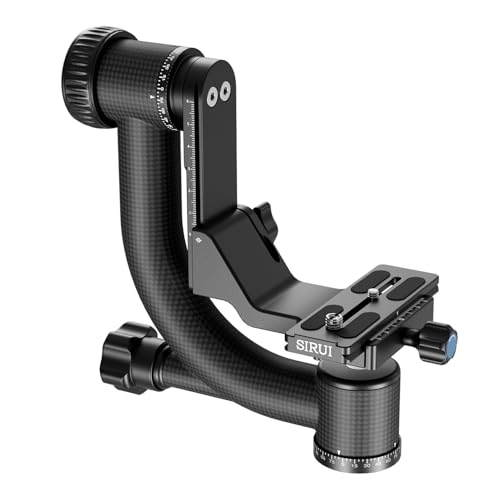
The PH-20 combines high-strength eight-layer carbon fiber for its curved arm with forged aircraft-grade aluminum for the L-platform. It supports up to 20 kg, making it suitable for larger telephotos and heavy DSLRs. The head offers a full 360° panorama rotation and a wide tilt range from +150° to -60°, ensuring versatile framing from any position. Its offset and balance contribute to smooth tracking of fast-moving subjects, while its compact footprint helps field shooters manage gear more efficiently.
Construction emphasizes durability without excessive weight, enabling extended outdoor sessions. The PH-20’s robust pan-tilt system relies on precision bearings and secure locking mechanisms. A well-designed quick-release interface helps photographers swap cameras quickly, maintaining balance and minimizing vibrations during panning. For wildlife observers and sports shooters using substantial telephotos, the PH-20 delivers reliable performance with manageable mass and strong lateral stability.
Pros: High load capacity, wide tilt range, smooth 360° rotation. Cons: Heavier than lighter mid-range heads; requires compatible Arca-Swiss plates for fastest setups. Suitable for: Large DSLR bodies with heavy telephotos, studio setups that require stable, all-terrain operation.
SIRUI PH-Series PH-10

Designed for lighter outdoor shoots, the PH-10 trades some mass for agility while still supporting up to 15 kg. Its carbon-fiber body weighs just 0.98 kg (2.16 lb), offering significant weight savings without sacrificing strength. This makes it a strong choice for mirrorless camera setups paired with 200–600 mm telephotos, where maneuverability and rapid positioning are priorities for birds in flight or dynamic wildlife scenes.
The PH-10 emphasizes safety and compatibility: a quick-release plate with precise scale marks includes 1/4″-20 and 3/8″ screws, and a bottom 3/8″ screw port enables easy attachment to various photo accessories. The security lock adds a simple safeguard during shoots where stability is crucial. The balance system helps maintain smooth tracking with reduced fatigue during long sessions outdoors.
Pros: Lightweight and strong, ideal for mirrorless systems and mid-telephoto lenses. Cons: Lower load ceiling than larger heads. Suitable for: Wildlife, birding, and field sports with lighter telephoto requirements.
Benro Carbon Fiber Gimbal Head GH5C

The Benro GH5C uses high-grade carbon fiber to maximize stiffness while minimizing weight, delivering robust performance for long outdoor shoots. It supports up to 66 pounds, making it compatible with heavy DSLRs and super-telephoto lenses in wildlife and sports photography. The design emphasizes balanced, smooth panning and tilting with separate tension controls, allowing photographers to fine-tune resistance for fast subjects or subtle tracking across distances.
Constructed for reliability, the GH5C integrates an Arca-Swiss compatible interface and a secure locking mechanism to preserve framing and balance during transitions. It’s especially well-suited for professionals needing a sturdy head that can handle rugged terrains without compromising precision in motion control.
Pros: High load capacity, stiff carbon construction, precise pan/tilt adjustment. Cons: Heavier setups may require careful transport planning. Suitable for: Wildlife, sports, and field photography with demanding telephoto workloads.
SIRUI PH-Series PH-30
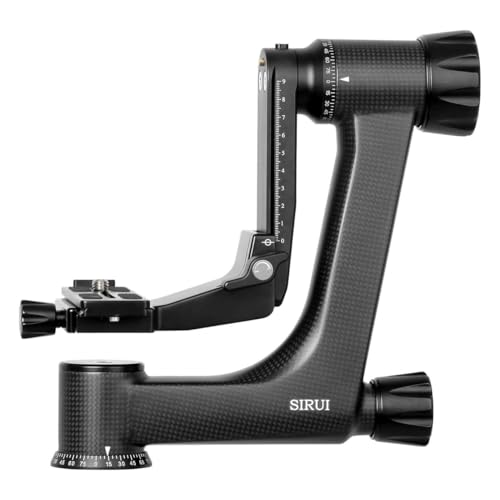
The PH-30 is built for heavy telephoto work, boasting a load capacity of 55.1 lb and a compact height of about 9.8 inches. Its 3/8″-16 mounting compatibility supports Arca-type quick-release systems, allowing for fast lens changes without sacrificing balance. The tilt range from -60° to +150° enables dramatic low-angle and high-angle compositions, making it versatile for both ground-level tracking and elevated framing in wildlife shoots or stadium events.
With a weight around 3.1 lb, the PH-30 remains manageable for field use while providing a sturdy foundation for long lenses and heavy bodies. The combination of carbon fiber construction and refined machining yields reliable rigidity and predictable motion across varied shooting conditions.
Pros: High load capability, compact form, Arca-Swiss compatibility. Cons: Heavier than mid-range options. Suitable for: Pro wildlife and sports photographers using large telephotos, needing stable, long-reach performance.
Benro GH2N Carbon-Fiber Gimbal Head

The GH2N pairs carbon fiber construction with a 55 lb load capacity to satisfy heavy telephoto setups. It emphasizes smooth, balanced movement with precise tension control, enabling photographers to track birds, athletes, or wildlife with minimal effort. The vertical mounting option enhances flexibility for tall tripods or elevated vantage points, improving balance when using longer lenses.
Designed with durability in mind, the GH2N provides a robust Arca-Swiss interface and dependable locking mechanisms. The combination of strength and lightness supports extended field sessions without excessive fatigue, while maintaining accurate control for precise composition across varied subjects.
Pros: Excellent balance for heavy lenses, versatile mounting options. Cons: Slightly heavier than some compact options. Suitable for: Wildlife and sports with large telephotos, where stable vertical and horizontal adjustments are essential.
LEOFOTO PG-3L Carbon Fiber Gimbal Head
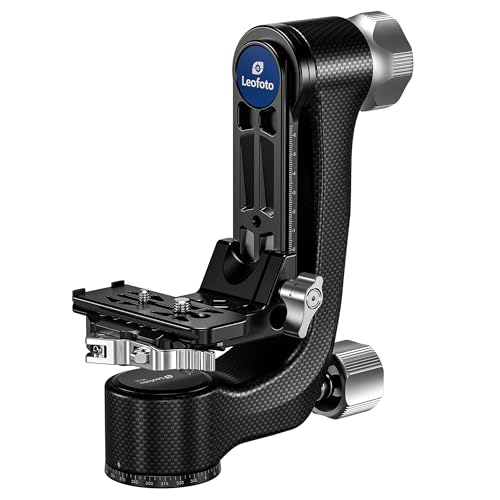
The PG-3L is engineered for heavy telephoto lenses with a maximum load of 25 kg and a compact 1.2 kg body. Its Arca-Swiss clamp and 360° rotation provide predictable, fluid tracking across a wide range of angles. This model includes an adjustable height range and scalable balance marks to facilitate quick setup adjustments, making it a practical choice for field shooters who frequently switch between lenses or subject distances.
Pros: High strength-to-weight ratio, Arca-compatible, easy balance adjustments. Cons: Some users may require additional accessories for larger camera-lens combos. Suitable for: Heavy telephoto work in wildlife and sports, especially when consistent 360° rotation and reliable balance are critical.
Buying Guide: Key Considerations And Comparisons
When choosing a carbon fiber gimbal head, consider load capacity relative to your heaviest gear, weight for travel, and how you balance your lens and camera assembly. A higher load rating provides margin for future upgrades but may add weight and cost. Arca-Swiss compatibility is essential for quick-release versatility and seamless integration with compatible tripods and clamps.
Rotation and tilt range matter for different subjects. A full 360° pan and a tilt range that covers from high to low angles allow for flexible framing in birding, wildlife, or sports photography. Safety features like security locks and precise tension knobs help maintain stability during rapid subject movement. For field use, carbon fiber’s rigidity and vibration reduction can translate to crisper shots and less fatigue during long shoots.
Weight distribution and balance are critical. Heads with robust balance systems enable smooth, predictable motion and reduce the need for constant readjustment. If you shoot with large telephotos or heavier DSLR bodies, prioritize higher load capacities (40–66 lb range) and secure locking mechanisms. For mirrorless setups, lighter options around 1–3 lb are often sufficient while still offering excellent stability.
Durability and weather resistance are also considerations. Eight- to ten-layer carbon fiber constructions provide stiffness and weather resistance, but you should verify manufacturer guidance on cold-weather operation and moisture exposure. Finally, evaluate your budget against expected use; investing in a slightly higher-end model may yield longer service life and better long-term value for frequent outdoor photographers.