Camera shake remains a key challenge in long exposures, macro work, and telephoto shooting. A reliable shutter release cable lets you trigger the shutter without touching the camera, delivering sharper frames and steadier framing. The following five shutter release cables represent popular options for a range of brands and cameras, offering threaded ends, bulb-lock designs, and varying lengths for studio or outdoor use. Use the quick comparison table below to choose the best fit for your gear and shooting style.
| Product | Brand | Length | Key Feature |
|---|---|---|---|
| JJC TCR-70BK 70cm Cable Release | Fotasy | 70 cm | Bulb-Lock design; vibration-free trigger |
| Fotasy 100cm Mechanical Cable Release | Fotasy | 100 cm | Manual lock; compatible with multiple cameras |
| Pastlla 15.7″ Threaded Release Cable | Pastlla | 40 cm | Threaded end; Bulb-Lock mechanism |
| JJC Mechanical Shutter Release Cable | JJC | Variable | Bulb-Lock; locking function |
| HTBMALL 2.5mm-C1 Remote Cable | HTBMALL | Coiled/extendable | 2.5mm to C1 connector; remote control for triggers |
JJC TCR-70BK 70cm Cable Release
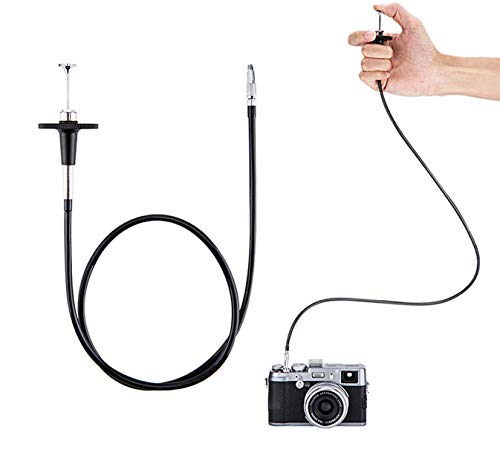
This 70 cm threaded cable release is designed for cameras that feature a threaded shutter release button. It provides a vibration-free shutter trigger, essential for sharp long-exposure images and detailed macro work. The bulb-lock design allows secure locking for extended exposures, eliminating drift between shots. The device screws directly into your camera’s shutter button and remains stable during operation. It is compatible with a wide range of cameras that support a threaded shutter release, making it a versatile option for travel or studio use.
In practice, the TCR-70BK enables hands-free triggering without resorting to touch, which helps when you need to hold precise framing in windy outdoor conditions or when you’re working with delicate subjects. The 70 cm reach gives enough cushion to operate the camera from a comfortable distance, while keeping the camera secure on a tripod. If you shoot landscape stacks, time-lapse sequences, or night sky images, this cable can help maintain consistency across frames. For users prioritizing stability and reliability, this option remains a solid choice.
Fotasy 100cm Mechanical Cable Release

This Fotasy cable release emphasizes manual locking for accurate, shake-free shots across film, digital, or professional video cameras. The cable is designed to minimize camera shake in critical moments, with a tapered threaded end that directly screws into the camera’s shutter button. The build supports long-exposure scenarios, macro photography, and studio setups where precision matters. By providing a secure mechanical connection, this release helps maintain exact exposure timing and framing, reducing the risk of accidental shutter activation during important shoots.
Users should note that the length and locking mechanism are especially beneficial for cameras that require consistent triggering over multiple frames. The bulb-lock design, combined with the threading and sturdy construction, makes it well-suited for architectural photography, night photography, and other scenarios where steadiness cannot be compromised. For photographers who value reliability and compatibility, this Fotasy cable release is a dependable option.
Pastlla 15.7″ Threaded Release Cable
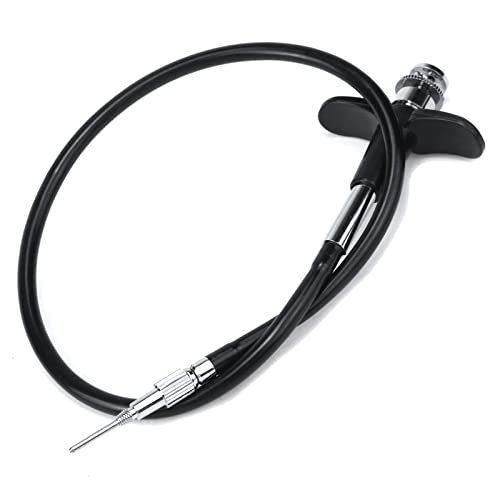
The Pastlla shutter cable extends to 15.7 inches (40 cm) and uses a threaded end compatible with cameras that support a shutter cable input. The package includes a single shutter release cable built with plastic and metal components, delivering a lightweight yet durable option for travel and on-location shoots. It is suitable for both digital and traditional film cameras that have a shutter cable hole, as well as some larger digital bodies that use a standard threaded connection for external triggers.
Its compact length makes it particularly convenient for macro or tabletop work where you want to position the trigger just out of reach but within easy control. The bulb-lock mechanical design ensures a secure lock for long exposures, preventing unintended shutter activation. For photographers on a budget or those who need a shorter, reliable trigger, this Pastlla option provides practical value without sacrificing performance.
JJC Mechanical Shutter Release Cable

This JJC release cable is designed to fit cameras with a threaded shutter button and includes a locking function for stable long-exposure use. The cable helps prevent camera shake during macro photography, telephoto shots, and bulb exposures. It also features a built-in locking mechanism to keep the shutter release button secured during extended shoots or when working with heavy tripods. For photographers who frequently shoot with telephoto lenses or in low-light conditions, this cable offers a dependable, vibration-minimizing trigger solution.
In practice, the JJC release cable delivers a robust trigger with a straightforward setup. Its design emphasizes reliability and durability, making it suitable for studio work or on-location shoots where precise timing is critical. If your camera uses a standard threaded shutter release, this option offers a simple, effective way to reduce shake and improve image sharpness across a variety of shooting scenarios.
HTBMALL 2.5mm-C1 Remote Cable

This 2.5mm to C1 remote cable provides a versatile connector setup for Canon T-series cameras and other bodies that support remote trigger cables. It connects a remote trigger to the camera or flash trigger, enabling control over shutter release, even in macro or studio setups. The bundle notes include a 2.5mm Sub-Mini connection and a C1-style interface, built with metal and plastic for durability. The coiled design allows flexible reach, extending up to about 100 cm when stretched and retracting neatly for storage.
For photographers who often pair shutter releases with compatible external flashes or remote triggers, this cable offers a practical solution to synchronize lighting and exposure. Its compatibility with MC-30 and similar remotes allows photographers to integrate it into existing workflows without upgrading multiple components. When selecting this option, verify your camera’s remote port type and ensure your flash trigger is compatible with the C1/2.5mm interface.
Buying Guide
Choosing the right shutter release cable involves balancing length, compatibility, and locking features against your shooting style. Below are practical considerations to help you compare options across brands and models.
- Length and reach: Longer cables offer more flexibility when working from a distance or behind a tripod, while shorter cables are lighter and simpler. Consider your typical setup—studio desks, field landscapes, or handheld macro—and choose accordingly. Some cables also extend via coils to reduce clutter when not in use.
- Compatibility and end fittings: Most cameras use a threaded shutter release end, but there are exceptions with non-threaded or proprietary ports. Match the connector type (threaded, 2.5mm, C1, etc.) to your camera model and any external triggers you plan to use.
- Locking and bulb features: Bulb-lock or locking mechanisms prevent accidental shutter activation during long exposures. If you do many timed exposures or time-lapse sequences, a reliable lock is worth prioritizing. Check whether the design supports secure locking for prolonged periods.
- Durability and materials: Metal construction offers resilience in outdoor environments, while plastic housings can keep costs down. Assess the weather tolerance, especially if you shoot in dusty, humid, or cold conditions.
- Two-way usability: Some cables provide both shutter release and remote trigger compatibility, including flash control. If you regularly pair your camera with off-camera lighting, choose a cable that supports synchronized control to reduce setup complexity.
- Ease of use and maintenance: A simple plug-in operation with clear locking mechanics reduces the risk of operator error. Consider how easy it is to replace worn ends or springs if replacement parts are available.
In summary, the best shutter release cable depends on your camera model, preferred length, and whether you need a secure long-exposure lock or quick, on-the-fly triggering. For studio macro work, a shorter, robust, bulb-lock cable with a locking feature is typically ideal. For landscape or astrophotography, a longer, reliable mechanical release with vibration control helps maintain consistent framing across shots. Assess your typical environments, then select a cable with the right balance of durability, compatibility, and ease of use.