Best Camera Obscura Drawing Aids for Artists
Camera obscura drawing aids, also known as camera lucidas, help artists project a scene onto a drawing surface for accurate tracing and perspective. This guide reviews five accessible options that pair optical viewing with on-paper tracing, suitable for beginners and seasoned artists alike. Each tool varies in image size, brightness options, and mounting style, so readers can compare how they fit different studios, sitting positions, and preferred mediums.
| Product | Brand | Key Benefit | Image |
|---|---|---|---|
| NeoLucida XL: a See-Through Camera Lucida Drawing Tool | NeoLucida | Large, adjustable viewing area with a gooseneck for flexible positioning |  |
| LUCY Mini Drawing Tool | LUCY | Compact, stable image up to 12 x 18″ with two brightness levels |  |
| NeoLucida: The 21st Century Camera Lucida | NeoLucida | Updated drawing aid with projection for tracing subjects onto paper | 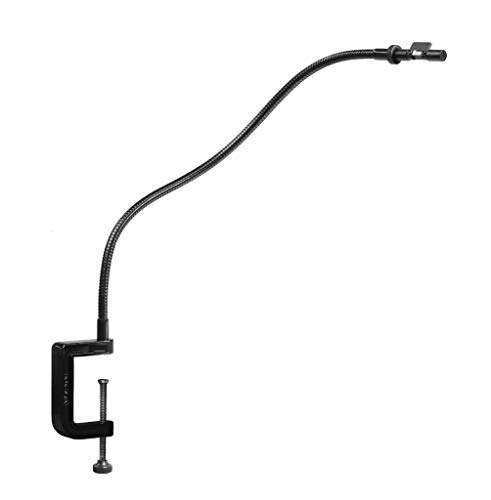 |
| LUCY Flex Drawing Tool with Photo Enlarger | LUCY | Enlarges photos up to 3x and provides a larger, versatile workspace |  |
| Euluese Camera Lucida Drawing Tool | Euluese | 360° adjustable pea-type fixture for flexible viewing angles |  |
style=”margin-top:20px;”>NeoLucida XL: a See-Through Camera Lucida Drawing Tool
The NeoLucida XL uses a clear viewing pane and a bendable gooseneck to align the subject with the drafting surface. The tool clamps to a table or drawing board, freeing the artist to work at various heights. Users should watch the instructional video to master setup, as it involves a learning curve for optimal alignment. With the viewer positioned over the paper, tracing the projected image becomes a straightforward tracing task, benefiting beginners and experienced artists seeking quick layout accuracy.
Key considerations include the stability of the clamp, the ease of adjusting the gooseneck, and the clarity of the projected image. A steady setup helps minimize parallax errors, and the XL size supports larger subjects. The NeoLucida XL supports drawing across media by allowing you to trace onto your preferred surface, whether pencil, ink, or charcoal.
style=”margin-top:20px;”>LUCY Mini Drawing Tool by Draw LUCY
The LUCY Mini offers an enlarged, stable image up to 12 x 18 inches, giving artists a generous window for tracing from life or photographs. It includes a single optical filter with two brightness levels, enabling comfortable viewing in varied lighting. The design accommodates sitting, standing, or easel use, making it versatile in small studios and field setups alike. While it emphasizes speed and simplicity, practitioners should expect a short acclimation period to synchronize their hand movements with the projected image.
Its compact form is ideal for travel or cramped workspaces, though users may notice a need for steady positioning to prevent image drift. The LUCY Mini excels as a bridge tool for artists who want larger formats without sacrificing portability. It’s well-suited for portraits, landscapes, and still lifes that benefit from direct tracing and light augmentation.
style=”margin-top:20px;”>NeoLucida: The 21st Century Camera Lucida
The NeoLucida is positioned as a modern update to the camera lucida concept, enabling you to see a subject and your drawing surface simultaneously for tracing guidance. It emphasizes a shift toward US-based official partnerships for procurement in some markets. The product is designed to be an intuitive intro to optical drawing, with clear projection to ease the tracing process. Users should note that availability may vary and check official partner channels for current stock and support.
As a general tool, the NeoLucida invites practice to achieve smooth line work and accurate proportions. It pairs well with traditional media and can serve as a quick layout aid for studies, portraits, and still-life compositions that benefit from on-paper tracing without complex setup.
style=”margin-top:20px;”>LUCY Flex Drawing Tool with Photo Enlarger
The LUCY Flex model expands capabilities with a built-in photo enlarger, enabling magnification up to 3x. It supports up to a 19 x 27 inch drawing area from life, and 12 x 18 inches when enlarging a photo. The tool offers four brightness levels via two optical filters, ensuring clear visibility across varied lighting. No electricity is required, and there is a carrying bag for portability. This flexibility makes it a strong option for artists who work in both studio and field settings, drawing from live scenes or enlarging photos for study.
Practitioners should consider whether they need large scale tracing from photos or from life. The enlarger feature helps with precise detail work, though it may require more space. The model’s portability and brightness options are advantages for artists exploring different mediums and mounting setups.
style=”margin-top:20px;”>Euluese Camera Lucida Drawing Tool
The Euluese tool combines optical reflection with drawing to create a clear projection on the page. It emphasizes faster setup and a simple tracing workflow, with a larger viewing area and 360° rotation provided by an upgraded pea-type fixture. This flexibility allows the user to adjust angles from seated, standing, or easel positions. The kit is designed to help beginners approach realistic rendering quickly, while still rewarding practice and patience as the hand-eye coordination improves.
Key considerations include the stability of the mounting, the ease of adjusting the projection angle, and how comfortable the device feels during extended sessions. The 360° capability supports a wide range of subjects and compositions, from still life to portraits, making it a versatile option for hobbyists and educators alike.
style=”margin-top:20px;”>Camera Lucida Drawing Tool (Affectnianly)

This updated drawing tool emphasizes a perspective lens with a pea jig for precise angle adjustment. It includes a gooseneck arm and jig base, along with a handy bag. The product description highlights its educational and artistic value as a tool to visualize objects through projection while practicing drawing. Users should verify component quality and assembly steps from available product pictures and instructions to ensure a smooth setup and consistent results over time.
In comparing options, users may prioritize ease of use, image brightness, and maximum drawing area. For projects requiring larger traces or frequent repositioning, models with flexible mounting and bright projection offer practical advantages. For those prioritizing compactness and portability, smaller mini or flex versions may be preferable.
style=”margin-top:20px;”>Buying Guide: Key Purchase Considerations
Choosing a camera lucida drawing aid depends on your workspace, preferred drawing size, and level of practice. Consider the following aspects to compare models effectively:
- Image size and brightness: Larger projection areas and multiple brightness levels make tracing easier in varied lighting.
- Mounting and adjustability: Clamp strength, gooseneck flexibility, and 360° rotation impact comfort and alignment during longer sessions.
- Portability: Compact models with carrying bags are best for travel or small studios, while larger rigs suit permanent desks.
- Media compatibility: Ensure the device supports your chosen medium (pencil, ink, charcoal, or paint) and paper size.
- Learning curve: Some units include instructional materials or videos; expect a brief period of practice to maximize accuracy.
- Availability and support: Some models may have limited stock or require official partnerships; verify current availability and warranty.
For beginners, starting with a mid-size tool that offers brightness options and a stable base helps build accuracy and confidence. For artists working with large canvases, a model with up to 19 x 27″ image and robust mounting provides practical advantages. If you frequently draw from photos, a built-in enlarger or the ability to project enlarged images can save time and improve proportion accuracy. Finally, weigh portability against projection size to find the right balance for your studio workflow.