Best 128GB Camera Memory Cards for 4K and High-Resolution Photography
Choosing the right 128GB memory card can significantly impact photo bursts, 4K video recording, and overall workflow. This guide highlights five top-rated 128GB cards, spanning high-speed SDXC options, UHS‑II performance, and a versatile microSDXC model. Each product section links to Amazon for quick access, while the introductory table offers a concise snapshot for side‑by‑side comparisons. Use the table to quickly compare speed, type, and durability, then dive into detailed reviews to select the best fit for your camera and shooting style.
| Product | Brand | Type | Key Speeds |
|---|---|---|---|
| SanDisk Extreme Pro 128GB SDXC UHS-I | SanDisk | SDXC UHS-I | Up to 200 MB/s read; up to 90 MB/s write |
| SanDisk Ultra 128GB SDXC UHS-I | SanDisk | SDXC UHS-I | Up to 100 MB/s read |
| SanDisk Extreme Pro 128GB SDXC UHS-II | SanDisk | SDXC UHS-II | V60; up to 100 MB/s write |
| Speederlash 128GB Micro SDXC | Speederlash | Micro SDXC | Up to 90 MB/s read |
| Gigastone 128GB SD Card | Gigastone | SDXC | Up to 100 MB/s |
SanDisk Extreme Pro 128GB SDXC UHS-I
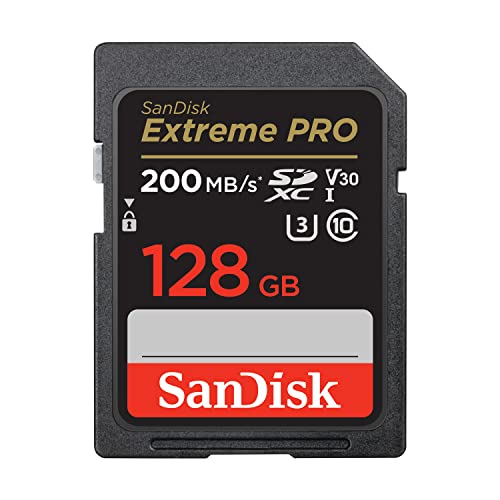
Designed for demanding photography and video workflows, the SanDisk Extreme Pro 128GB SDXC UHS-I card delivers impressive offload speeds up to 200 MB/s. This high read speed helps reduce buffering when shooting fast bursts and recording 4K footage, enabling quicker transfers to a computer or external drive. Built on SanDisk QuickFlow technology, the card emphasizes fast, reliable performance in compatible host devices, with fast transfers across large data sets to keep up with rapid shooting sessions.
Write speeds reach about 90 MB/s in supported devices, supporting continuous shooting and time-lapse capture. The card is compatible with devices that meet UHS-I performance, including many modern DSLRs and mirrorless cameras. For maximum throughput, pair it with the SanDisk Professional PRO-READER SD and microSD (sold separately) to realize the highest transfer speeds in a professional workflow and large file transfers.
Durability and reliability are essential for field work. The 128GB capacity provides ample room for high‑resolution RAW files and lengthy video sessions. While real‑world speeds vary by host device and formatting, this card remains a robust option for enthusiasts and professionals who require fast offload, solid write performance, and broad device compatibility for 4K recording and advanced shooting modes.
SanDisk Ultra 128GB SDXC UHS-I
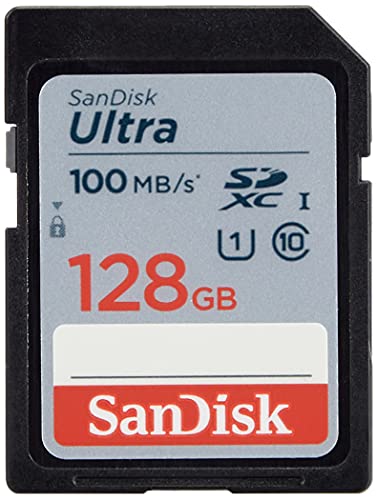
The SanDisk Ultra 128GB SDXC UHS-I card is a strong everyday performer. It offers solid read speeds up to 100 MB/s, making it well suited for casual photography and Full HD video. This card covers a broad range of devices from compact point-and-shoot cameras to mid-range mirrorless cameras, giving you reliable results without paying a premium for peak‑tier speed.
Capacity remains a practical advantage, with 128GB providing space for thousands of photos or hours of Full HD video. The card supports a broad range of consumer devices and is a dependable choice when you need dependable performance for day-to-day photography, travel, and family videos. Actual usable space will be less than 128GB due to formatting and system requirements.
For users who value balance between speed and price, the Ultra card delivers predictable performance with compatibility across many devices. It’s particularly suitable for photographers who shoot in RAW+JPEG or who need reliable storage for long days of shooting with minimal interruptions.
SanDisk Extreme Pro 128GB SDXC UHS-II

Targeted at prosumers and professionals using MIL and cinema cameras, this Extreme Pro UHS‑II card supports cinema‑quality 6K and 4K UHD recording with a Video Speed Class 60 rating. The V60 rating indicates a sustained high data rate suitable for real-time video recording with UHS enabled hosts. This card also supports high‑speed bursts and time-lapse capture, with shot speeds listed up to 100 MB/s write in real-world testing scenarios, though actual performance depends on the host device.
Designed to meet demanding workflows, it offers robust data handling during long shoots. The combination of UHS‑II and V60 makes it a compelling option for filmmakers and advanced videographers who require reliable sustained performance in high‑resolution production environments, as well as for photographers who shoot fast sequences and time-based media within a professional kit.
Although it targets high-end cameras, check device compatibility first, as some cameras may not fully saturate UHS‑II speeds. When used in capable equipment, it provides smoother 6K and 4K capture, reduced buffer times, and improved efficiency on location shoots and studio productions.
Speederlash 128GB Micro SDXC

This microSDXC card offers high-speed transfer performance with read speeds up to 90 MB/s and support for A1 app performance, which helps with faster app launches and responsiveness on compatible smartphones and tablets. It’s a versatile option for 4K UHD video, rapid file transfers, and everyday use, and it includes an adapter to extend compatibility to devices that lack a microSD slot.
The Speederlash card is built to endure demanding conditions, featuring waterproof, shockproof, X-ray‑proof, temperature‑resistant, and magnetic‑resistant properties. This makes it suitable for outdoor adventures, dash cams, security cameras, drones, and action cameras, where durability and data protection matter as much as speed.
The included SD adapter enhances cross‑device flexibility, so you can move footage between handheld cameras, laptops, and card readers with ease. This makes it a practical choice for travelers and hobbyists who use a wide range of recording devices and need a single 128GB solution that transitions across formats.
Gigastone 128GB SD Card

The Gigastone 128GB SD Card offers up to 100 MB/s data transfer speeds and is described as 4K UHD video compatible. This card provides a cost‑effective option for photographers and videographers who need reliable storage for high-resolution footage and bursts without paying premium prices for top-tier brands. It is positioned as a practical choice for hobbyists and semi‑pro users who value consistent performance in everyday shooting scenarios.
The card supports standard SD compatibility and comes with typical 128GB capacity sufficient for a substantial library of RAW images or extended 4K video sessions. Its practical speed and capacity balance make it suitable for travel, events, and studios where dependable storage is essential and occasional fast transfers are needed for post‑production work.
Some buyers may prefer the added security of higher write speeds for uncompressed RAW bursts or lengthy 4K sequences; however, for many casual and semi-professional applications, this Gigastone card delivers dependable results with broad device compatibility and a straightforward user experience.
Buying Guide: Key Purchase Considerations For 128GB Camera Memory Cards
- Speed Class And Performance: Match the card’s speed class to your camera’s capabilities. UHS-I cards are compatible with most mid-range cameras and provide strong performance for 4K video and continuous shooting. UHS-II cards offer higher theoretical speeds and are ideal for high-end mirrorless and cinema cameras, but only if your device can exploit the extra bandwidth. For 4K recording, look for at least Class 10 with U3 or V30 ratings; for higher frame rates and 6K/8K workflows, V60 or higher is preferable.
- Read Versus Write Speeds: Read speeds affect how fast you can offload footage to a computer, while write speeds determine how quickly data is written to the card. High read speeds are beneficial for rapid data transfer, but sustained write speeds are critical for uninterrupted recording, especially during bursts or long takes in 4K/6K video.
- Device Compatibility: Check your camera or device specifications for supported card types, maximum capacity, and whether UHS-II cards are fully supported. Some devices may not benefit from UHS-II speeds if they do not have the faster bus interface, so a high-quality UHS-I card can often provide excellent value.
- Capacity And Future-Proofing: 128GB is a common sweet spot that balances budget, speed, and storage needs. If you shoot extensively in RAW or 4K, you may prefer higher capacities or cards with better endurance features to extend reliability over time.
- Durability And Endurance: For fieldwork, cameras used outdoors, or vehicles (dash cams, security cameras), look for cards with waterproofing, shock resistance, temperature tolerance, and X-ray resistance. Endurance cards are designed for continuous recording over long periods in surveillance or automotive applications.
- Brand Reliability And Warranty: Well-known brands often provide robust warranties and data‑recovery options. SanDisk, Gigastone, and similar brands have established records for compatibility and support. Consider warranty terms and any data‑recovery offers when evaluating value.
- Adapter And Form Factor: Micro SD cards often include adapters to fit standard SD slots, expanding device compatibility. If you routinely switch between cameras, drones, and phones, a card with a reliable adapter can simplify your workflow.
- Real-World Versus Specified Speeds: Manufacturer speeds are idealized under testing conditions. Real-world performance depends on host device, formatting, and file types. When possible, review user reports for similar devices to gauge expected throughput in your setup.
Selecting the right 128GB card involves balancing speed, durability, and device compatibility with your shooting needs. For 4K or higher-resolution work, prioritize cards with strong write performance and, if possible, UHS‑II or V60 ratings. For travel and everyday photography, a reliable UHS‑I card with solid read/write speeds can deliver excellent value. Endurance-oriented applications, such as dash cams and home monitoring, benefit from high-endurance cards designed for long, constant recording sessions.