Best RC Plane Camera Systems for Clear Aerial Vision in 2026
Choosing the right camera for an RC plane involves balancing weight, image quality, and transmission reliability. This guide highlights top camera options tailored for RC planes, including ultra-light models for micro planes and high-definition options for larger kits. Each product below explains core features, ideal use cases, and what to consider before you buy.
Summary Of Selected Products
| Product | Brand | Key Features | Link |
|---|---|---|---|
| STARDRONE 1200TVL FPV Camera | STARDRONE | 1/3″ CMOS, 2.5g weight, 160° FOV, PAL/NTSC | Amazon |
| RunCam Spotter V2 FPV Camera & Transmitter Kit | RunCam | 5.8G 40CH TX, 170° FOV, integrated mic, OSD | Amazon |
| Wolfwhoop WT03 Micro FPV AIO Camera | Wolfwhoop | 600TVL, 5.8G TX, ultra-light | Amazon |
| Readytosky 1200TVL FPV Camera NTSC | Readytosky | 1200TVL, 2.5mm lens, compact | Amazon |
| RunCam Phoenix 2 SPV5 Micro FPV Camera | RunCam | 1000TVL, FOV160°, replaceable lens hood | Amazon |
Note: These products are presented for informational purposes to compare features commonly sought in RC plane cameras. Availability and specs may change over time.
STARDRONE 1200TVL FPV Camera

The STARDRONE camera delivers 1200TVL clarity with a 1/3″ CMOS sensor and a compact 2.5g footprint. Its 1.8mm lens yields a wide 160° field of view, helping pilots spot obstacles and gaps earlier during high-speed passes. PAL and NTSC compatibility ensures versatile integration with flight controllers and video transmitters across various RC platforms, including planes, drones, cars, and boats. This makes it a strong option for lightweight RC planes where minimizing weight is critical without sacrificing image quality.
RunCam Spotter V2 FPV Camera & Transmitter Kit

The Spotter V2 combines a micro FPV camera with a 5.8 GHz transmitter in a compact all-in-one package. It features a 170° FOV for immersive visuals and a 700TVL sensor for reliable detail at range. The integrated mic captures ambient sounds for a richer flight experience, while the on-screen display (OSD) provides real-time flight data. This kit is well-suited for RC cars, boats, planes, and drones where a robust FPV link and quick setup matter, especially for field-use and entry-level pilots seeking simplicity.
Wolfwhoop WT03 Micro FPV AIO Camera
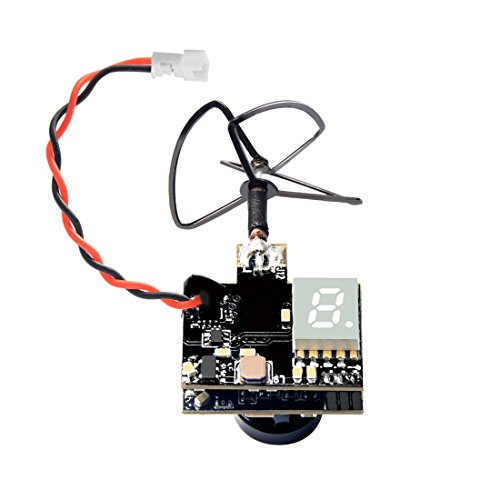
The WT03 is a micro FPV camera designed for ultra-light builds. It weighs minimal grams, making it ideal for tiny RC planes and micro quads. The camera’s compact form integrates easily with lightweight receivers and basic video transmitters, enabling quick installs on park flyers or micro-scale planes. Given its small size, field setups and quick swaps are straightforward, though potential pilots should verify compatibility with their specific RX/Tx combo.
Readytosky 1200TVL FPV Camera NTSC
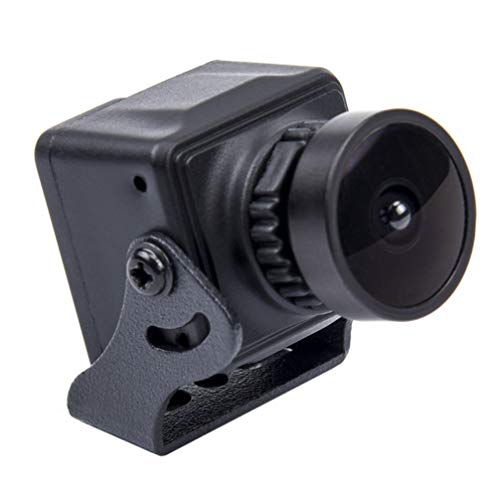
This Readytosky option provides 1200TVL resolution with a compact 2.5mm lens. The small 22mm x 22mm form factor keeps weight and intrusion minimal for planes with strict payload budgets. The camera’s high definition helps pilots distinguish obstacles at altitude and speed, while the NTSC compatibility supports a straightforward integration path with older or budget-oriented video link kits. Its light weight supports extended flight times on smaller airframes.
RunCam Phoenix 2 SPV5 Micro FPV Camera

The Phoenix 2 SPV5 micro camera offers an analog FPV option with a 1000TVL resolution, 1/2″ CMOS sensor, and a wide 160° FOV. It includes a lens hood for glare protection and durable construction designed to withstand field use. The SPV5 is suited for a variety of RC platforms, including planes, cars, and drones, where a replacement lens hood and robust image quality are beneficial for all-weather flying and stable tracking in dynamic environments.
Buying Guide: Key Purchase Considerations For RC Plane Cameras
When selecting an RC plane camera, consider weight, resolution, field of view, and compatibility with your transmitter and goggles or monitor. Here are multiple perspectives to help you decide:
- Weight versus performance: Ultra-light cameras help extend flight times on small planes but may sacrifice some image quality. For larger models, heavier cameras can deliver improved clarity and dynamic range.
- Resolution and sensor type: Higher TVL (TV lines) generally means crisper images, especially in fast motion. CMOS sensors are common and provide good performance at lower light, while CCD sensors may offer different color fidelity and sensitivity.
- Field of view: A wide FOV (like 160°) reduces blind spots but can introduce distortion at the edges. Narrower FOVs may offer sharper center detail but require more precise piloting.
- Video transmission and range: Transmitter power and channel selection influence range and interference resilience. For planes flying at altitude or with complex airspace, a stable link is crucial.
- durability and weather resistance: Look for dust-proof or water-resistant designs if you fly in varied conditions. A replaceable lens hood or protective housing can extend camera life in rough environments.
- Mounting compatibility: Ensure the camera’s form factor suits your airframe’s mounting points and available space. Some cameras come with micro or ultra-light designs ideal for tiny trainers or micro planes.
- Ease of installation: For beginners, an all-in-one kit with integrated transmitter (AIO) can simplify setup and testing, while modular systems allow future upgrades.
In practice, match the camera to your airframe weight class and flight style. For FPV racing or dynamic aerobatics, prioritize high TVL and a reliable 5.8 GHz link. For park flyers or micro planes, lighter cameras with compact footprints may be preferable to maximize performance and flight time.