Best Camera for Cold Weather: Protect Your Gear in Extreme Conditions
Photographers exposing equipment to freezing temperatures, wind, or snow need gear that shields cameras while preserving usability. This guide highlights five reliable cold-weather camera solutions and warming accessories, helping you choose items that balance protection, accessibility, and practical operation in chilly environments.
Summary of Selected Products
- CamRebel Camera Rain Coat Cover — Cold-proof cover with adjustable fit for DSLRs and long lenses.
- Copkim Professional Camera Rain Cover — Thickened waterproof shell with clear viewing window and lens protection.
- PGYTECH Camera Cold-Proof Warm Cover — Lightweight, down-filled sleeve with seam-sealed design for warmth.
- PGYTECH Camera Cold-Proof Warm Cover (150-450mm) — Telephoto-specific sleeve option with warmth and weather protection.
- ProMaster Cold Weather Camera Parka — Insulated parka-style cover for multiple lens configurations.
- PENTAX KF — Weather-resistant DSLR with cold-proof performance suitable for outdoor shooting.
CamRebel Cold-Weather DSLR Cover

The CamRebel cold-weather sleeve is designed for DSLR bodies with mid to long lenses. Its nylon bottom provides weather resistance while a 2 cm thick inner filling adds insulation, helping to maintain camera function in chilly conditions. The sleeve accommodates bodies with lenses up to approximately 200 mm, and the built-in adjustable strap tightens around the lens for a snug fit. A PVC window enables screen visibility and touchscreen use, while a generous interior offers room for controls, hand straps, or accessories. The top and front permit lens hoods and neck straps, and a bottom YKK zipper adds water resistance and supports tripod base plates or bottom rigs. This cover suits both professional photographers and enthusiasts working in winter landscapes or wildlife fields where concealment is beneficial.
Key considerations: fit for your camera-body-and-lens combo, ease of access to controls, and the ability to work with a tripod and external gear. The camouflage army green color helps blend with natural environments, appealing to wildlife shooters. Users should verify lens length compatibility for mirrorless systems, as some compact bodies may require a smaller sleeve. Overall, a robust option for cold-weather shoots with DSLR setups.
4K Security Cameras Wireless Outdoor System
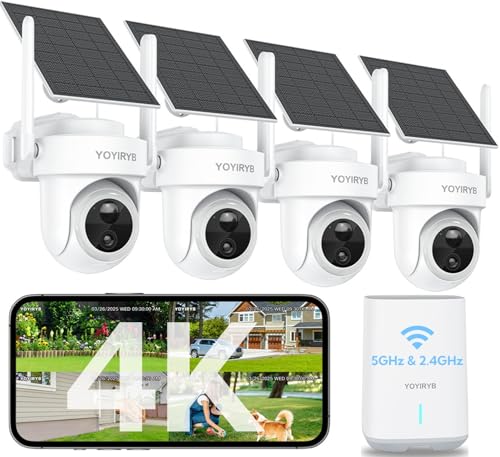
This product is a complete wireless outdoor security system that includes 4K video capabilities, dual-band Wi-Fi, and local storage with a 64GB encrypted base station. While primarily designed for home security, its weatherproof construction, 360-degree auto-tracking, and color night vision can provide environmental monitoring in cold environments where persistent surveillance is needed. The system is designed to operate without ongoing cloud subscriptions, which can be advantageous in remote or cold-weather sites where connectivity may be intermittent. Its AI-based motion tracking can help photographers document wildlife behavior or track weather events with minimal manual interaction.
Key considerations: this option is more about environmental monitoring than camera photography, but it offers robust weather endurance and remote visibility in freezing conditions. It is not a direct replacement for a camera cover, but it complements fieldwork in winter settings where security and monitoring are important. Consider network reliability, power supply, and mounting options when deploying in cold climates.
Copkim Professional Camera Rain Cover

The Copkim cold-proof warm sleeve emphasizes versatility, with a bottom nylon shell and a 2 cm thick inner filling designed for DSLR bodies plus up to 200 mm lenses. It includes an adjustable strap to tighten around the lens and a PVC viewing window for direct LCD or viewfinder access. The interior is spacious enough to operate controls, attach hand straps, and add accessories like lens heaters. A front lens hood and a top neck-strap compatibility are supported, delivering protection for both serious photographers and beginners in challenging conditions. The cover serves as rain protection and thermal insulation, helping shield equipment from sun, dust, and cold air during fieldwork or events in winter.
Key considerations: check lens length compatibility, ensure clear access to essential controls, and confirm whether you need additional insulation for extreme temperatures. This cover offers solid protection for DSLR configurations with mid-length lenses and can be a practical addition to a winter kit for outdoor shoots.
CamRebel Camera Rain Cover For DSLR

This CamRebel rain cover emphasizes waterproof protection for DSLR cameras and lenses, serving as a straightforward shield against moisture and dust. While the product name mirrors a general rain cover, it is positioned to offer practical weatherproofing for outdoor winter photography. The cover is designed to be simple to deploy, allowing photographers to quickly seal their gear when moving between shelter and snow or rain. It does not emphasize heavy insulation, so for extreme cold, pairing with additional warming accessories may be beneficial. Its primary benefit is robust rain protection and straightforward operation in wet winter conditions.
Key considerations: this option prioritizes moisture resistance and quick deployment. If cold exposure is lengthy, consider supplemental insulation or a dedicated warm sleeve to maintain battery performance and minimize condensation inside the cover.
PGYTECH Cold-Proof Warm Cover (150-450mm Lens)
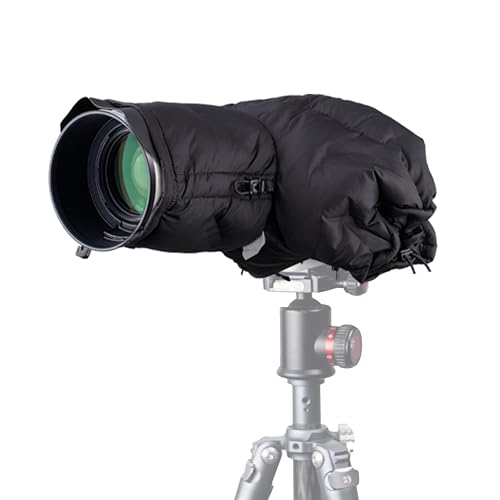
The PGYTECH winter cover is built with seam-sealed design to minimize pinholes while maintaining partial quilting at cuffs. It uses 35 g of white duck down to deliver warmth with a 650+ fill power, ensuring reliable insulation in cold environments. The design accommodates longer telephoto lenses with a dedicated sleeve for lenses in the 150-450 mm range. The lightweight construction allows quick setup and easy transport, while the retained visibility through the cover remains important for framing and control checks despite insulation. The sleeve can help protect against wind chill while enabling access to essential camera controls during extended shoots in winter landscapes or wildlife photography.
Key considerations: temperature management, lens-length compatibility, and ease of access to critical controls. If you regularly shoot with longer telephotos, this sleeve option can be a valuable balance of warmth and usability in cold weather.)
PGYTECH Cold-Proof Warm Cover (150-450mm Telephoto)

This PGYTECH model is a telephoto-focused version of the cold-proof cover, featuring seam-sealed construction, down insulation, and a dedicated sleeve tailored for 150-450 mm lenses. The combination of warmth and weather protection supports long winter shoots in the field, enabling photographers to operate more efficiently while protecting critical gear. The compact design helps minimize bulk in cold environments where mobility is essential. Coupled with a robust outer layer, it provides both wind protection and insulation for extended sessions in snow or freezing rain.
Key considerations: if you rely on telephoto lenses, this option offers targeted protection. Ensure proper fit for your specific lens length and consider additional screen access if you frequently adjust settings in the field.
ProMaster Cold Weather Camera Parka

The ProMaster Cold Weather Camera Parka is designed to work with most interchangeable-lens cameras, offering a wind- and water-resistant nylon shell and an insulated interior composed of cotton batting and a soft fleece lining. It includes three lens port sizes and is intended to accommodate a range of configurations. This parka-style cover provides a broader approach to winter protection, allowing photographers to swap lenses or adjust framing without exposing the camera body to cold air. It can be particularly attractive for photographers who shoot in windy, snowy, or wet conditions and need a robust outer layer that still enables quick access to controls.
Key considerations: compatibility with your camera-lens combination, warm insulation level, and the ease of lens changes while the cover is in place. This option supports longer winter sessions where protection and comfort are central to consistent performance.
PENTAX KF Weather-Resistant DSLR

The PENTAX KF is an APS-C DSLR with weather-resistant design and cold-proof performance down to approximately 14°F (-10°C). It features a high-resolution 24.24 MP sensor, ISO range up to 102400, and an optical viewfinder with a near-100% field of view. While not a dedicated cold-weather cover, its built-in weather resistance makes it a practical option for outdoor winter work. The camera is suitable for landscapes, wildlife, and sports photography in cold climates, with a robust chassis designed to withstand moisture and dust intrusion. Users should still consider external protective coverings for extreme conditions, particularly when lens seals and battery performance face prolonged exposure to cold and humidity.
Key considerations: evaluate overall weather sealing quality, battery performance in cold conditions, and handling comfort in gloves. For photographers prioritizing a ready-to-shoot system without a separate cover, this model provides a strong base for winter photography with proper accessories and protective habits.
Buying Guide: Key Purchase Considerations For Cold-Weather Photography
- Protection vs. usability — Evaluate how a cover balances insulation with access to camera controls, lenses, and viewfinder. Look for transparent windows or flexible opening mechanisms that preserve functionality in gloves.
- Compatibility — Verify lens length, body size, and mount type to ensure the sleeve fits your gear. Mirrorless systems often require smaller sleeves; DSLRs with long lenses may need larger sleeves or dedicated telephoto fits.
- Insulation quality — Down or synthetic insulation affects warmth and bulk. Higher fill power tends to offer more warmth with less bulk, but consider weight for field mobility.
- Weather resistance — Outer materials should resist wind, snow, and moisture. Water-resistant zippers (like YKK) add protection and durability in wet conditions.
- Operational practicality — Consider windows for screens, accessibility of buttons, and compatibility with tripods or bottom rigs. For wildlife or bird photography, concealment and quiet operation can be crucial.
- Battery and condensation management — Cold weather reduces battery life. Use covers that allow battery access and minimize condensation when moving between warm interiors and cold exteriors.
- Storage and portability — Lightweight options help with long outdoor shoots. Some products integrate with additional straps or nesting features for transport.
- Cost vs. value — Weigh price against durability, insulation, and fit with your typical winter workload. A robust, reusable cover often provides better long-term value than cheap, single-use options.