Best Camera Drones for Aerial Photography
Choosing the right drone with a capable camera is essential for capturing stunning aerial footage. This guide highlights five top models that balance weight, stability, and image quality, making them suitable for both beginners and enthusiasts. Each option features 4K or higher capture, reliable stabilization, and solid flight characteristics. Read on to compare key specs and consider what matters most for your shoots, from wind resistance to battery life and control interfaces.
Summary of chosen products:
| Product | Brand | Key Feature | Approx. Flight Time |
|---|---|---|---|
| DJI Mini 4K Drone | DJI | Under 249 g, 4K camera, 3-axis gimbal | ~31 min |
| PLEGBLE Drone with EIS 4K | PLEGBLE | Built-in screen on controller, 4K, 10 km transmission | ~70 min |
| Drone With Camera 1080P FPV (Velcase) | Velcase | 1080P FPV, foldable, 26 min | ~26 min |
| Naseto GPS Drone With 4K | Naseto | 4K UHD camera, 60 min with two batteries | ~60 min |
| DJI Mini 4K Camera Drone Combo | DJI | Under 249 g, 4K camera, 2 batteries | ~62 min |
The following sections detail five selected models with official product links, images, and core features to help you compare at a glance. Each product includes objective specifications to support a practical buying decision.
DJI Mini 4K: Ultra‑Light 4K Aerial Power
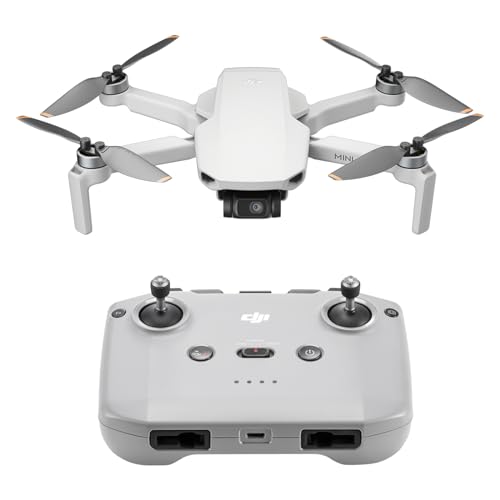
DJI’s Mini 4K combines a compact form with a stabilized 4K camera and a 3-axis gimbal, delivering smooth footage in varied lighting. Weighing under 249 g, it avoids FAA registration for recreational use in the U.S., simplifying flights for hobbyists. The drone’s wind resistance and capable brushless motors support stable takeoffs at higher elevations, up to altitudes around 4,000 meters. This model emphasizes portability and cinematic potential in a lightweight frame.
PLEGBLE 4K Drone With Screen

This drone features a built-in 5.0-inch screen on the controller, enabling FPV without a smartphone. It records 4K video with a 130° wide-angle lens and 90° tilt, supported by EIS stabilization for steady footage. The GPS-based navigation and smart return-to-home functions enhance safety, especially for beginners. With up to 70 minutes of flight time under optimal conditions, the model provides extended shooting opportunities per session.
Velcase 1080P FPV Foldable Drone

Velcase offers a foldable design with a remotely adjustable 1080P HD camera and FPV view via an accompanying app. The package includes essential accessories and two 1050mAh batteries for an extended flight window around 26 minutes. While not 4K, the drone provides a practical entry point for beginners seeking immediate aerial capture and on-the-go portability.
Naseto GPS Drone With 4K Camera

Naseto pairs a 4K UHD camera with a dedicated 4.5-inch LCD on the remote and a dual-battery setup for up to 60 minutes of flight time. GPS-based features, including intelligent return and path tracking, support stable, dependable flights. The 5G FPV transmission ensures low-latency live viewing, which is useful for precise framing and real-time decision-making during shoots.
DJI Mini 4K Camera Drone Combo

This combo extends the Mini 4K experience with two batteries for extended flight sessions and quick-access shots. It retains the compact, under-249 g weight class, a 4K Ultra HD camera, and a 3-axis gimbal for stabilization, ensuring cinematic-quality footage even in breezy conditions. The wind resistance and brushless motor design help maintain stability during higher-speed moves and aerial passes.
Buying Guide: What To Consider When Choosing A Camera Drone
Camera quality matters, but a well-rounded drone is a better investment. Consider the following factors to guide your purchase:
- Weight and regulatory requirements: Lighter drones often avoid certain registrations but may have trade-offs in wind stability and flight time. Check local rules before flying.
- Camera resolution and stabilization: A 4K camera with a 3-axis gimbal generally yields smoother footage across lighting conditions. Look for EIS or mechanical stabilization for high-motion shots.
- Flight time and battery options: Longer flight times let you capture more footage per session. Drones with swappable batteries or multiple included packs extend shooting windows.
- Transmission range and latency: A longer transmission range reduces control lag and improves live-view reliability, crucial for intricate framing.
- GPS features and safety: Auto Return, Return-to-Home, geofencing, and obstacle awareness add safety and ease of use, especially for beginners.
- Portability vs. capability: Ultra-light designs are easy to carry but may sacrifice some performance. Consider your typical shooting environment (city, landscape, travel).
- Ease of use: Beginner-friendly features, such as one-key takeoff/landing, gesture controls, and intuitive controllers, help new pilots build confidence.
- Accessory ecosystem: Availability of spare parts, prop guards, and additional batteries influences long-term usability and total cost of ownership.
When comparing models, align features with your intended use: casual travel videography benefits from light weight and quick setup; professional or semi-professional work may prioritize longer flight times, advanced stabilization, and higher-resolution cameras. Always verify compatibility with your local regulations and ensure proper registration where required for safe and compliant operation.