Best 35mm Camera Film for Developing at Home
Photographers of all levels look for reliable 35mm films that deliver consistent results when developing at home. This guide highlights five top options that balance ease of use, image quality, and versatility for various lighting conditions. Whether you’re shooting landscapes, portraits, or street scenes, these films provide solid latitude, color accuracy, or classic black-and-white tones that respond well to DIY processing.
| Brand | Film Type | ISO | Exposures | Notes |
|---|---|---|---|---|
| KODAK | Color Print Film | 400 | 36 | Three-pack for more shooting sessions |
| Ilford | Black & White Print Film | 400 | 36 | High latitude and push-processing friendly |
| Fujifilm | Color Negative Film | 200 | 36 | Vibrant colors, reliable skin tones |
| Fujifilm | Color Negative Film | 400 | 36 | Balanced for landscapes and portraits |
| Pincary | Black & White Film | 400 | 36 | Ready-on-camera, 3-pack for practice |
Kodak Ultramax 400 Color Print Film
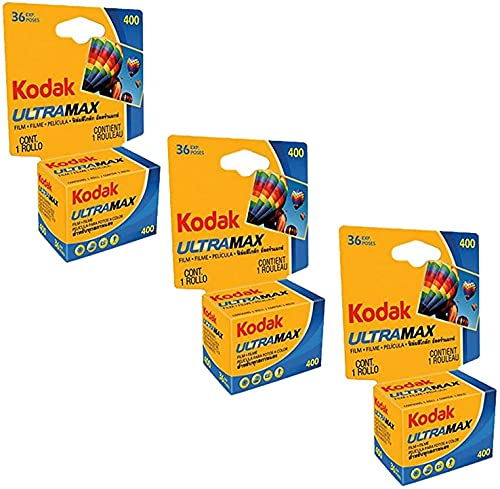
Kodak Ultramax 400 offers a reliable color print film experience with broad exposure latitude, making it a practical choice for home developers. This three-pack provides multiple rolls, helping photographers keep creating without frequent reloading. The 135-36 format ensures a familiar shooting workflow for most 35mm cameras. Color rendition is designed for everyday scenes, landscapes, and portraits, with smooth skin tones and pleasing contrast.
Main features include:
- 3-pack configuration for extended shoots
- Color print film with 36 exposures per roll
- Suitable for a wide range of lighting conditions
Ilford HP5 Plus 400 Black & White Film

Ilford HP5 Plus is a classic black-and-white negative film known for its wide exposure latitude and flexibility. It responds well to push processing, enabling higher contrast when needed, while preserving detail in shadows and highlights. This three-pack variant is ideal for students, enthusiasts, or any photographer who wants consistent results across a variety of scenes, from street photography to moody landscapes.
Key attributes:
- Wide exposure latitude for forgiving shots
- Good contrast with room for creative development
- Strong performance in mixed lighting environments
Fujifilm Fujicolor 200 Color Negative Film (3-Pack)

Fujicolor 200 is a versatile color negative film offering reliable color reproduction with a modest ISO for everyday photography. The 3-pack configuration provides ample rolls for travel, family outings, or longer personal projects. With 36 exposures per roll, the film suits daylight scenes and controlled environments alike, delivering balanced color and relatively fine grain for its ISO category.
Highlights include:
- Three-pack for extended shooting sessions
- ISO 200, good color saturation and detail
- Well-suited for outdoor photography and daylight interiors
Pincary ISO 400 35mm Black & White Film (3-Pack)

Shaping a practical entry into home development, the Pincary 400 ISO 35mm black-and-white film emphasizes high latitude with a forgiving tonal range suitable for street photography and learning environments. The 3-pack format is convenient for practice runs and projects, enabling photographers to experiment with exposure, development times, and contrast without worrying about running out of film.
Key takeaways:
- High latitude ISO 400 for versatile lighting
- Ready-on-camera convenience with a 3-pack bundle
- Classic black-and-white rendering suitable for learning curves
Buying Guide: Choosing 35mm Films For Home Development
Selecting the right film for developing at home depends on your goals, lighting conditions, and desired aesthetic. Here are balanced considerations to help you compare options across color and black-and-white varieties.
- Film type and look: Color films deliver natural color with varying saturation, while black-and-white films emphasize tone and contrast. If you’re starting, consider a color film for easier results, then explore B&W for classic looks.
- ISO and latitude: Higher ISO films (e.g., 400) perform better in lower light but can exhibit more grain. Lower ISO (e.g., 200) yields finer grain and smoother color under bright conditions. Choose based on your typical shooting environments.
- Exposure latitude: Films with wide latitude tolerate exposure errors, helping beginners avoid blown highlights and blocked shadows during development.
- Roll count and budget: Multi-pack sets reduce cost per roll and keep your workflow continuous. Consider how often you shoot and your development schedule when choosing quantities.
- Color balance and skin tones: Some color films reproduce skin tones more naturally, reducing post-processing needs. For portraits, test a few options to find your preferred look.
- Availability and compatibility: Ensure your camera and development process align with the film format (35mm, 36 exposures per roll) and the availability of developing chemicals and tools you plan to use at home.
- Storage and handling: Store unopened rolls in a cool, dark place. After exposure, keep negatives in protective sleeves and label them with date and settings to simplify the development workflow.
- Development considerations: Color film typically requires precise development chemistry and timing; black-and-white films often offer more forgiving processing and a broader range of handling options.
In a home-development setup, the choice of film should align with your developing routine, the lighting you usually shoot in, and the level of post-processing you’re comfortable with. The five selections above provide a spectrum of color and monochrome options, from everyday color photography to classic black-and-white styles, helping you build a consistent workflow.