Best Camera Bags for Mirrorless Cameras: Protect, Organize, and Travel Light
Securely transporting mirrorless cameras requires a bag that fits your gear, cushions delicate bodies and lenses, and stays comfortable on long shoots. The following selections are designed for flexibility, weather resistance, and smart organization. Each option below offers dedicated compartments, protective materials, and practical carry features to support photographers on the go.
| Product | Brand | Key Benefit | Ideal Use |
|---|---|---|---|
| MOSISO Camera Backpack | MOSISO | Modular interior with laptop compartment | All-in-one travel bag for mirrorless setups |
| CADeN D6 Camera Backpack | CADeN | Large capacity with flexible carrying options | Professionals needing space for multiple lenses |
| MOSISO Camera Sling Bag | MOSISO | Compact, protective with removable dividers | Lightweight carry for single- to small- kit shoots |
| Besnfoto Camera Bag | Besnfoto | Compact form with padded protection | Everyday carry for mirrorless cameras |
| CADeN Camera Backpack (Laptop) | CADeN | 15.6″ laptop compartment plus tripod holder | Hybrid bag for travel and work |
Below are five carefully selected options, each with details on capacity, protection, and versatility to fit different shooting styles and gear sets. The information draws from product specifications and common-use scenarios to help you choose what best matches your mirrorless toolkit.
MOSISO Camera Backpack For Mirrorless Gear
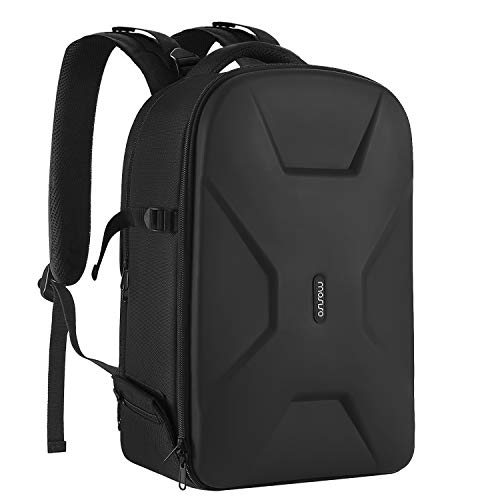
The MOSISO Backpack combines rugged protection with flexible interior organization. It features a two-compartment design, including a padded upper section with removable modular inserts that can be adjusted to fit a camera body, flashes, lenses, and even small drones. A separate laptop compartment accommodates up to 16-inch devices, while back and side pockets offer space for cables, memory cards, and power banks. A tripod or monopod can be secured on one side, and there is a dedicated anti-theft pocket on the back for valuables. Its front hardshell and padded layers provide impact resistance against bumps and drops, helping to safeguard gear during transit and travel.
CADeN D6 Camera Backpack: Large Capacity

CADeN’s D6 model emphasizes capacity and versatility. With dimensions around 11 x 5.9 x 15 inches and a lightweight footprint, this bag holds one camera body, multiple lenses, a flash, and an iPad or tablet. It supports additional gear through expandable pockets and a side mesh for water bottles or umbrellas. The bag uses scratch- and water-resistant materials, plus a hidden front pocket for daily essentials. Its adjustable shoulder straps and comfortable harness design make it suitable for photographers who carry extra gear on day trips or assignment shoots.
MOSISO Sling Bag: Compact, Protective
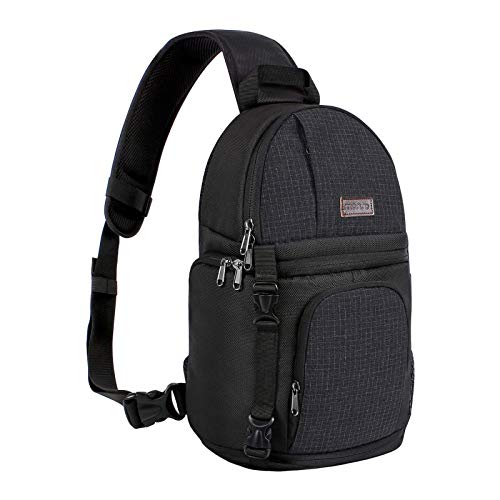
This MOSISO sling bag is designed for mobility and protection. It provides a large lower storage compartment with removable inserts for lenses and flashes, plus an upper section for smaller accessories. A tripod holder appears on one side, and a hidden anti-theft pocket sits at the back. The shoulder strap length is adjustable to suit different builds, making it a practical option for photographers who prefer crossbody wear and quick access to gear during street shoots or travel days.
Besnfoto Compact Crossbody Camera Bag
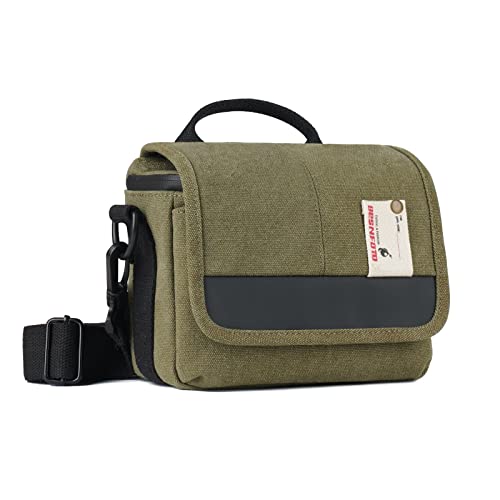
Besnfoto emphasizes compact form and support for mirrorless setups with padded protection. The bag’s canvas exterior combines a vintage aesthetic with modern durability, including PU leather trim and sturdy zippers. The internal layout is designed to hold one mirrorless body with an extra lens, while the front pocket stores small accessories or a phone. A belt-friendly design allows quick attachment to a waist belt for hands-free shooting, improving mobility for events and daily carry.
CADeN Camera Backpack With Laptop Compartment

CADeN’s backpack option offers a spacious layout suitable for professional use. It includes a 15.6-inch laptop compartment, a tripod holder, and a rain cover for weather protection. The main compartment is designed to accommodate two cameras plus several lenses, with a robust outer shell built from waterproof canvas and PU leather accents. Quick-access front pockets hold daily essentials, while magnetic features and sturdy zippers support reliable operation during long shoots or travel days.
Buying Guide: Key Purchase Considerations
Choosing the right bag for mirrorless gear involves balancing protection, capacity, accessibility, and comfort. Consider the following perspectives to guide your decision.
- Gear sizing and layout: Assess your typical kit—how many bodies, lenses, and accessories you carry. Look for bags with modular dividers, adjustable padding, and dedicated laptop compartments if you need to work on the road.
- Protection and materials: Prioritize sturdy outer shells, weather resistance, and shock-absorbing interiors. Hardshell or armored designs offer stronger impact protection, while padded interiors absorb bumps during transport.
- Accessibility: Evaluate how quickly you can reach gear. Top-access, side-access, and quick-release zippers influence efficiency in fast-changing shooting environments.
- Comfort and fit: Check strap design, back support, and weight distribution. For long shoots, breathable padding and contoured straps reduce fatigue.
- Expandability and versatility: Some bags convert between backpack, sling, and daily carry modes. Decide if you want a single bag that covers travel and daily use or separate bags for specific tasks.
- Weather and security features: Look for rain covers, anti-theft pockets, and weather-sealed zippers for added protection during outdoor shoots and commutes.
- Budget and brand reliability: Consider warranty, build quality, and user reviews. Reputable brands often offer replacement dividers and compatible accessories.
Across these options, you’ll find designs that range from compact sling bags for everyday use to large-capacity backpacks for extensive gear. Your choice should align with how you shoot—street photography, travel assignments, or studio work—and how much gear you typically carry. By prioritizing modularity, protection, and comfort, you can select a bag that supports efficient workflows without compromising gear safety.