Best Camera and Memory Card Sets for All Shooters
Choosing the right camera memory cards is essential for reliability, speed, and efficiency whether you’re capturing 4K video, fast action, or high-resolution stills. This guide highlights five highly compatible options that pair well with modern cameras and readers, helping you maximize performance across different shooting scenarios. Each entry includes key features to compare at a glance, plus practical tips for selecting the best card for your gear.
| Product | Brand | Capacity | Key Speed | Notes |
|---|---|---|---|---|
| Extreme PRO SDXC | SanDisk | 128 GB | Up to 200 MB/s read | 4K capable; QuickFlow technology |
| Ultra SDXC | SanDisk | 256 GB | Up to 150 MB/s read | Great for mid-range cameras |
| Extreme PRO SDXC UHS-I | SanDisk | 256 GB | Up to 180 MB/s read | Pro-grade performance |
| Gigastone SD Card | Gigastone | 256 GB | Up to 100 MB/s | 4K UHD compatible; bundled case |
| Amazon Basics Micro SDXC | Amazon Basics | 128 GB | Up to 100 MB/s read | Includes full-size adapter |
SanDisk 128GB Extreme PRO SDXC UHS-I Memory Card
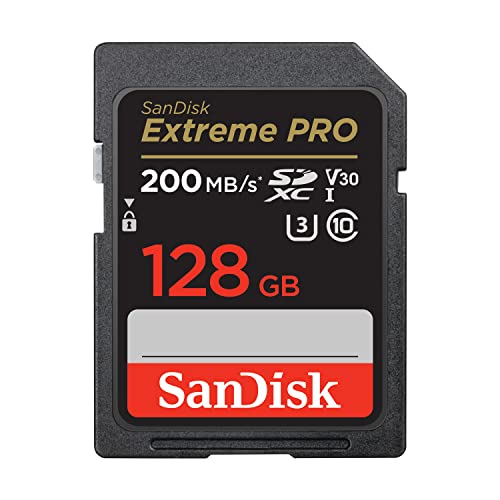
The 128 GB Extreme PRO SDXC card from SanDisk is designed for photographers and videographers who demand fast, reliable offloads and robust 4K performance. It features up to 200 MB/s read speeds powered by SanDisk QuickFlow Technology, enabling quicker transfers to offload footage and free up buffer space. The card is compatible with devices capable of reaching high transfer rates and works best when paired with appropriate readers or camera gear.
Key performance notes: read speeds can exceed standard UHS-I limits in certain configurations, but actual performance depends on the host device and workflow. It’s marketed for 4K UHD recording and supports high-speed offloads, with integration potential with SanDisk PRO-READER SD to push speeds even further when used with compatible hardware. Consider capacity needs for longer shoots or higher-bitrate media when deciding between this and larger cards.
SanDisk 256GB Ultra SDXC UHS-I Memory Card

The 256 GB Ultra SDXC card is a versatile option for compact to mid-range point-and-shoot cameras and enthusiasts seeking solid capacity and dependable transfer speeds. With up to 150 MB/s read speeds, the card supports quick image and video offloads while providing ample space for a day of shooting. It benefits from SanDisk’s established reliability and is well-suited for general photography and full HD/video workflows where high-speed bursts aren’t essential.
For those who regularly shoot long sessions or high-resolution panoramas, this card offers a practical balance between cost and capacity. Ensure your camera and editor can leverage higher speeds to maximize throughput, especially when moving large 4K or RAW files between card and computer.”
SanDisk 256GB Extreme SDXC UHS-I Memory Card

This 256 GB Extreme SD card delivers strong write speeds up to 130 MB/s and read speeds up to 180 MB/s, with SanDisk QuickFlow Technology extending performance beyond standard UHS-I limits in compatible devices. It’s designed for photographers and videographers who need reliable offload times for high-bitrate content, including 4K video, while preserving buffer performance during dynamic shoots. The card is intended to work best with SanDisk PRO-READER SD to maximize throughput when paired with the right hardware.
When planning shoots with rapid action or long takes, consider how the combination of capacity, write speed, and reader compatibility will influence your workflow. If your camera supports higher sustained write speeds, this card helps ensure you won’t miss shots while the buffer clears.
GIGASTONE 256GB SD Card, 4K UHD Pro

Gigastone’s 256 GB SD card targets 4K video workflows and high-resolution photography with a solid 100 MB/s transfer rate. It includes a full-sized SD card format, a compact option for creators who need reliable storage on set or on location without frequent card swaps. The availability of a protective case with the purchase adds convenience for travel or field shoots.
While the transfer speeds are not as high as top-tier PRO cards, the Gigastone offering provides dependable performance for many cameras and editors, particularly in scenarios where budget-friendly storage is preferred. For critical bursts or high-bitrate 4K footage, pairing this card with a capable reader and camera may still meet practical needs, especially in environments where durability and value matter most.
Amazon Basics Micro SDXC Memory Card with Full Size Adapter

The Amazon Basics microSDXC memory card combines capacity with convenience, featuring up to 100 MB/s read speeds and a full-size adapter for compatibility with a wide range of devices. This card is suitable for smartphones, action cameras, small and mid-range cameras, and tablets, making it a flexible choice for travelers and hobbyists who mostly rely on compact recording gear. It supports U3 and A2 class performance for smoother app and media handling on supported devices.
When selecting a microSD option, consider whether you need the adapter for standard SD card slots or if you’ll primarily work with microSD-enabled devices. Ensure your camera or reader supports U3 performance to maximize potential speed, especially for 4K capture or rapid photo bursts.
Buying Guide: Key Purchase Considerations
- Capacity and shooting style: Higher capacities are beneficial for long events, multi-day shoots, or 4K/RAW workflows, while compact cards suit casual or travel photography.
- Speed class and read/write performance: Look for cards with U3 and V30 ratings for 4K video, and check actual read/write speeds in reviews. QuickFlow or similar technology can boost offload performance on compatible devices.
- Device compatibility: Ensure your camera, reader, and editing workstation can leverage the card’s maximum speeds. Some devices perform better with specific brands or models.
- Durability and reliability: Consider cards with robust build quality, error-correction features, and approved compatibility with readers to minimize data loss during transfers.
- Organization and workflow: For multi-card shoots, plan a labeling and backup strategy. Pair fast readers with high-speed cards to reduce downtime between takes.
- Future-proofing: If you shoot 8K or high-bitrate 4K in the future, prioritize higher-speed, higher-capacity cards to minimize changes in equipment mid-project.
- Cost vs. value: While the premium PRO family offers higher performance, mid-range options can meet most standard photographic and video needs, especially when budget is a concern.
These selections cover a spectrum of use cases—from pro-grade 4K and high-speed bursts to everyday shooting and microSD versatility. When choosing, align card specifications with your camera’s capabilities and your editing pipeline to ensure smooth performance from capture through delivery.