Best Cable Releases for Film Cameras: Top Picks
For photographers working with traditional film cameras, a reliable cable release can dramatically reduce camera shake, improve long-exposure stability, and protect shutter mechanisms during bulb exposures. The following five picks are among the most relevant options for classic film setups, offering threaded connections, bulb-lock features, and compatibility with a range of film-era bodies from Nikon F and Leica M to older Canon, Fujifilm, and Olympus models. Each option provides a mechanical shutter release that helps you lock the shutter for precise timing without relying on in-camera timers. Below is a quick overview to help you compare form, function, and fit for film shooting.
| Product | Brand | Length | Key Feature |
|---|---|---|---|
| Shutter Release Cable 100cm 39” for Nikon Fujifilm Canon Olympus TLR SLR Camera | eTone | 100 cm (39″) | Universal threaded end; suits most standard shutter threads and film bodies |
| Pastlla 15.7″ (40cm) Threaded Release Cable Vibration-Free | Pastlla | 15.7″ (40 cm) | Vibration-free design with bulb-lock; suitable for traditional film and digital bodies |
| Fotasy 100cm Mechanical Cable Shutter Release with Bulb-Lock | Fotasy | 100 cm | Bulb-lock; compatible with Leica M series and classic Nikon/film bodies |
| JJC TCR-70BK Black 70cm Threaded Cable Release | Fotasy | 70 cm | Threaded release with Bulb-Lock design for long exposures |
| JJC Mechanical Shutter Release Cord With Bulb-Lock | JJC | Varies | Bulb-Lock; wide compatibility including Fuji, Leica, Sony mirrorless and more |
id=”tone”>eTone 100cm Cable Release For Film Cameras

The eTone 100 cm shutter release cable is designed to fit cameras with standard threaded shutter buttons, making it suitable for a broad range of film SLRs, rangefinders, and even some larger format setups. Its 39-inch reach allows you to trigger the shutter without touching the camera body, which helps prevent small vibrations from hand movements during critical exposures. The connector is described as compatible with most mechanical film cameras, and it also notes applicability to some modern digital bodies that retain a standard threaded shutter interface. This flexibility makes it a practical choice for photographers who shoot both film and retro-styled digital bodies.
In practice, the 100 cm length offers a balance between reach and manageability. The device locks the shutter in place for bulb exposures, which is essential for long records of light in studio scenes or night photography. Build quality will vary with price, but the model’s basic design emphasizes reliability and straightforward operation. For photographers looking to upgrade their shake-free capabilities without changing their camera ecosystem, this eTone cable release provides a familiar, proven approach to shutter control on film cameras.
Compatibility notes: the product description stresses compatibility with cameras that use standard shutter threads and notes applicability to large-format lenses as well. If your film body uses a standard thread and you need consistent, repeatable triggering, this cable release is worth evaluating. Always verify your camera’s shutter button threading before purchase to ensure a snug, vibration-free fit. This option is especially useful for long exposures, astrophotography, and macro work where even minor motion can degrade sharpness.
id=”pastlla”>Pastlla 40cm Threaded Release Cable
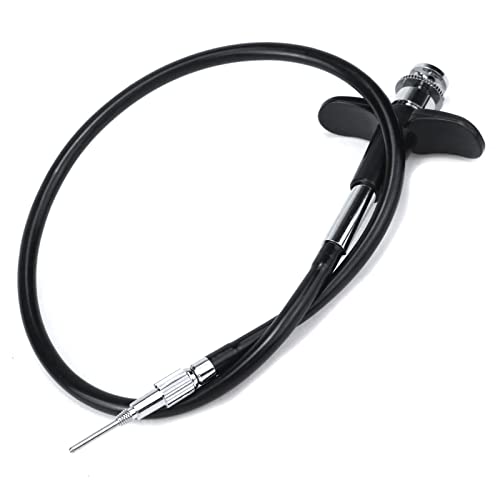
The Pastlla 15.7-inch threaded release cable touts a vibration-free construction with a bulb-lock mechanism, making it well-suited for long exposures and precise timing on traditional film cameras. Its 40 cm length provides a more compact option than ultra-long cables, offering a reliable reach for standard film bodies without excessive slack. The cable is built from a mix of plastic and metal, which gives a balance between durability and flexibility for field work across studio sets or outdoor shoots.
Compatibility is a central benefit of this model. The description indicates it fits cameras with shutter cable holes and traditional film bodies, which can include older focal-plane shutter designs and certain digital cameras that still honor a threaded release interface. For shooters who value vibration control and crisp timing on classic gear, Pastlla’s offering provides a straightforward, affordable way to achieve steadier shutter activation without external power or electronic remote systems.
Usage is simple: screw the threaded end into the camera’s shutter button, set your exposure, and press to lock the button for bulb exposures or release it for standard timed shots. This simplicity appeals to film photographers who want dependable performance without a steep learning curve. In environments that demand steady hands and controlled light, this cable release can be a dependable ally for film projects and hybrid workflows alike.
id=”fotasy1″>Fotasy 100cm Mechanical Cable Shutter Release

Fotasy’s 100 cm mechanical shutter release with bulb-lock is described as top-tier for film, digital, and professional video cameras. The primary purpose is to eliminate camera shake in situations where the camera must stay perfectly still, which makes it ideal for macro work, long exposures, and precise studio shoots. The tapered threaded end screws directly into many cameras’ shutter buttons, providing a dependable mechanical connection without electronics. The bulb-lock feature ensures you can maintain an exposure for as long as necessary without constant finger pressure.
Compatibility reaches across classic film bodies and certain modern digital models that share shutter interfaces. The inclusion of Leica M-series compatibility and Nikon F lines demonstrates the product’s classic appeal. For film photographers collecting a toolkit for tripod-based shooting, this release offers a robust option that prioritizes stability and repeatable results over digital features. When precision and repeatability matter, this cable release helps you manage exposure time with confidence in studio and field environments.
id=”jjc70″>JJC TCR-70BK 70cm Threaded Cable Release
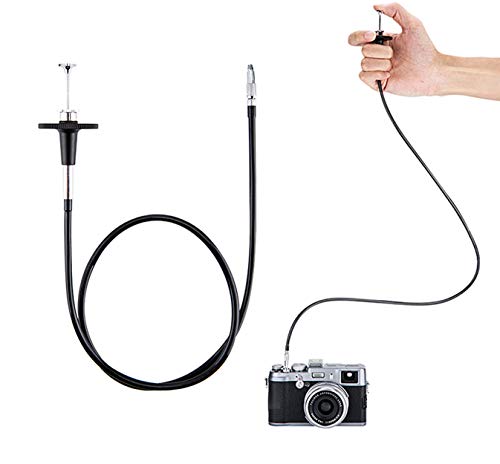
The JJC TCR-70BK offers a 70 cm threaded cable release with a Bulb-Lock design suitable for long-exposure work. The threaded connection helps prevent accidental shutter activation due to minor vibrations, making it a practical tool for studio or field use when precise timing is essential. This cable is designed for cameras with a standard threaded shutter button, enabling compatibility across a range of film and digital bodies that use the same interface. The Bulb-Lock feature is particularly valuable for extended exposures where you want to lock the shutter without maintaining physical pressure.
In use, this release provides a straightforward, mechanical approach to shutter control that doesn’t depend on batteries or electronics. For film shooters who frequently shoot long exposures—such as night scenes, light painting, and star trails—this cable offers a reliable, repeatable method to trigger exposures while keeping the camera steady on a tripod. It’s a solid, no-frills option for photographers who prefer simple hardware with proven results.
id=”jjcmech”>JJC Mechanical Shutter Release With Bulb-Lock
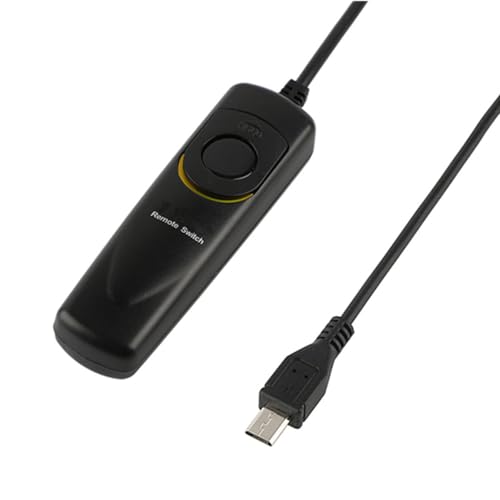
This JJC model presents a versatile mechanical shutter release with a Bulb-Lock design intended for long exposures and precise timing. The compatibility list includes Fuji Fujifilm X-series, Leica M-series, and Sony setups, indicating broad usefulness across film-adjacent and classic rangefinder bodies. While some listed cameras are digital, the threaded, bulb-lock approach is equally effective on traditional film platforms that rely on a mechanical shutter trigger. The device emphasizes preventing camera shake and enabling controlled bulb exposures, which is essential for macro work, landscape photography, and studio shots with long dwell times.
Additionally, this release is designed to prevent accidental shutter activation during transport or setup, a common issue in busy field environments. If you shoot with a mix of film and digital equipment or collect classic film cameras with compatible shutter interfaces, this tool can help standardize your shutter triggering across multiple bodies. The Bulb-Lock feature keeps long exposures manageable, enabling consistent results across repeated sessions.
id=”buying-guide”>Buying Guide: Key Considerations For Film Camera Cable Releases
Choosing a cable release for film cameras involves weighing compatibility, build, and intended use. Here are essential considerations to help you compare options and select the best match for your shooting style.
- Compatibility with shutter interfaces: Most film cameras use a threaded shutter button. Confirm that the release’s thread size matches your camera’s shutter thread to ensure a snug fit and reliable triggering.
- Bulb-Lock vs. standard release: Bulb-lock is crucial for long exposures; it locks the shutter for extended periods. If you regularly shoot long exposures, prioritize a Bulb-Lock design.
- Length and reach: Cable length affects how far you can stand from the camera. Longer cables reduce camera shake risk when using tripod setups, but can be cumbersome in tight spaces. Pick a length that fits your typical work environment.
- Construction and durability: Metal-bodied releases tend to offer greater durability than all-plastic designs, especially in field conditions. Look for a solid connector and robust threading to withstand repeated mounting and unmounting.
- Ease of use and maintenance: A simple, screw-in connection reduces risk of misalignment. Check for smooth threading and a reliable locking mechanism that won’t loosen during exposure.
- Adapter considerations: Some releases are marketed as compatible with both film and digital bodies. If you shoot primarily with film, prioritize models that explicitly mention classic film cameras (Leica M, Nikon F, Canon FD, etc.).
Compared to wireless remotes, mechanical releases maintain shutter control even when batteries fail or when working in remote locations. They also provide tactile feedback that many photographers prefer for precise timing. For film shooters who must capture sharp, repeatable images—especially in landscapes, macro work, or night photography—a dependable mechanical release is a straightforward, durable option. When evaluating models, consider your primary camera brands, typical exposure times, and how often you need the release for long-bulb shots versus quick shutter triggers.
In addition to raw compatibility and build, price and availability can influence your decision. While premium releases may offer extra materials or a smoother feel, many photographers are satisfied with mid-range options that provide reliable bulb-lock functionality and a universal threaded end. Balance your budget against long-term durability, especially if you shoot frequently in challenging environments like near the coastline or in dusty outdoor locations. A well-chosen cable release will become a dependable part of your film photography toolkit for years to come.