For professionals working with C-mount lenses, a reliable lens holder and mounting system is essential. This guide highlights five compatible Amazon picks that offer adjustable clamps, cantilever arms, and robust mounting options to keep C-mount lenses secure while enabling flexible angles.
The summary table below provides a quick glance at the five options, including the brand and main mounting feature. Use it as a starting point to compare build quality, clamp range, and versatility before diving into detailed specs.
| Product | Brand | Notes |
|---|---|---|
| Gringoo Microscope Arm Stand | Gringoo | 26–52 mm clamp; dual goosenecks; adjustable height |
| DIYPHONE C‑Mount Cantilever Microscope Stand | DIYPHONE | 1x–130x C‑Mount lens; 4K/48MP outputs; cantilever design |
| NEEWER Overhead Camera Mount Rig NK003 | NEEWER | Desk‑top rig; multiple mounting points; flexible height and crossbars |
| Fotodiox C‑Mount To Canon Adapter | Fotodiox | All‑metal; smooth mount; macro focus limitation |
| Arducam 8–50 mm C‑Mount Zoom Lens | Arducam | 8–50 mm focal range; C‑CS adapter included |
Gringoo C‑Mount Arm Stand
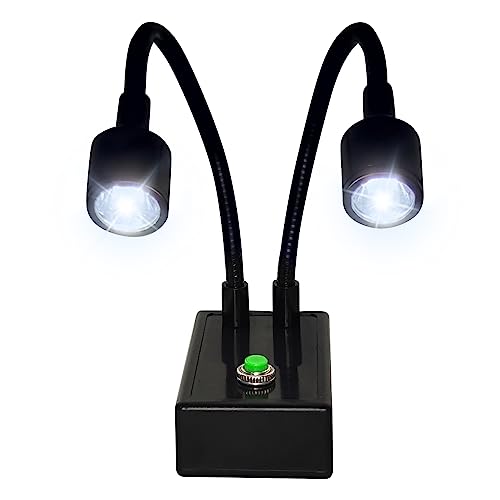
The Gringoo Arm Stand combines a heavy‑duty clamp with a flexible, dual gooseneck layout to hold C‑mount lenses securely. The clamp accepts lenses with diameters from 26 mm to 52 mm, covering a wide range of common C‑mount configurations. Its height can be adjusted up and down, and the arm rotates to suit different working angles, making it ideal for precise positioning in labs, workshops, and repair benches.
Lighting is handled by a built‑in LED spotlight that delivers 0–100% brightness, providing bright, steady illumination for close‑up work without excessive heat. The compact design integrates the light with the arm, keeping your workspace uncluttered while delivering consistent exposure for macro tasks, soldering, or inspection. The clamp and arm are designed for stable operation and long service life, even with frequent repositioning.
In practice, the Gringoo holder offers excellent versatility: a 360° rotating arm, sturdy clamp, and adaptable clamp diameter enable quick adjustments during delicate optical work. The assembly holds up to everyday workshop loads with minimal wobble, making it a practical choice for technicians who frequently reposition C‑mount lenses during measurements, microscopy, or soldering tasks.
DIYPHONE C‑Mount Cantilever Microscope Stand

DIYPHONE presents a four‑kappa versatile microscope camera with a cantilever stand that accommodates C‑mount lenses from 1x to 130x. The unit supports HDMI and USB interfaces for live viewing and image capture, making it suitable for digital image acquisition in industrial and research settings. The built‑in 40‑LED illumination provides bright, even lighting across a range of magnifications, which is helpful for documenting intricate details on small workpieces.
With a 1x–130x C‑Mount lens range, users gain a broad magnification spectrum that suits both macro inspection and detailed imaging. The cantilever frame keeps the camera and lens stable while allowing smooth positioning, enabling precise focus and alignment. The combination of high resolution imaging and flexible mounting makes this DIYPHONE setup a robust option for labs, repair centers, or educational environments demanding quick lens changes and stable supports.
Overall, this DIYPHONE model emphasizes a balance of image quality, adjustable mounting, and practical illumination. Its integration with common digital interfaces makes it suitable for real‑time inspection, documentation, or training scenarios where consistent lighting and steady camera positioning are critical.
NEEWER Overhead Camera Mount Rig NK003
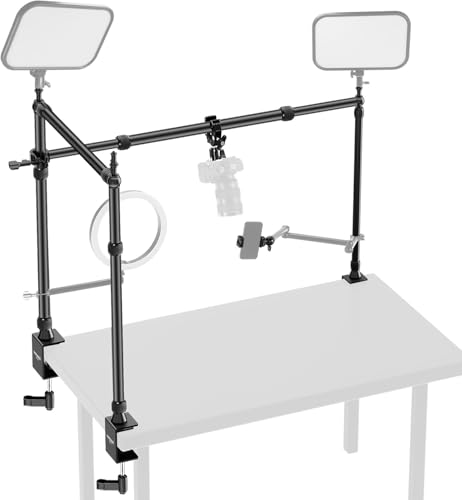
NEEWER’s NK003 turns a desk or table into a versatile photography workshop. The system includes three stands and two crossbars, offering multiple mounting points for cameras, lights, and accessories. It is designed to maximize space and enable overhead shots, top‑down photography, or unboxing videos in a compact footprint. The rig supports a variety of devices through standard 5/8″ and 1/4″ threads, making it compatible with a wide range of camera rigs and accessories.
Height adjustment ranges from 27.2 inches to 48 inches, while crossbar length is customizable from 25.2 inches to 47.2 inches. The dual rotatable ball heads provide 360° of motion, enabling precise framing from any angle. A robust clamp anchors the rig to the edge of a table or work surface, and the setup includes a cold‑shoe mount to add lightweight accessories such as LED lights or small monitors. The NK003 is well suited for top‑down photography, macro demonstrations, and live streaming workflows where stable, adjustable overhead mounting is essential.
In terms of load capacity, the NK003 is designed to handle typical studio accessories up to several pounds, offering dependable support for most compact cameras, lighting, and essential peripherals used in product demos, tutorials, and educational videos. The modular nature of the rig makes it a flexible choice for evolving creative or technical setups.
Fotodiox C‑Mount To Canon Adapter

Fotodiox’s C‑Mount to Canon EF adapter is a straightforward, all‑metal interface that enables C‑mount lenses to mount on Canon EOS bodies. Its durable machining provides a smooth physical mount, keeping alignment consistent when swapping lenses in close‑up and macro workflows. While the adapter itself does not add autofocus or electronic communication, it is a reliable bridge for users who want to leverage C‑mount optics with Canon interchangeable lenses and bodies.
Designed for macro and detail‑rich imaging, the Fotodiox adapter allows for precise optical alignment and dependable focus control in manual use. The build quality aims to minimize play and seam gaps, which helps maintain consistent image registration during critical imaging tasks. This accessory is particularly useful for researchers and hobbyists who want to experiment with C‑mount lenses on Canon bodies without buying new camera hardware.
Arducam 8–50 mm C‑Mount Zoom Lens

Arducam’s 8–50 mm C‑Mount Zoom Lens provides a versatile focal range for Raspberry Pi HQ Camera setups when used with a C‑CS adapter. The lens supports manual focus and an adjustable aperture, enabling you to fine‑tune sharpness and depth of field across a broad magnification spectrum. This variably focal lens is well suited for close‑ups, microphotography, and general imaging tasks that benefit from a flexible zoom range without swapping lenses.
The 8–50 mm range covers wide to moderate telephoto perspectives, allowing users to capture large details or distant subjects with improved perspective control. The C‑CS adapter helps integrate this lens with compatible imaging platforms, including some compact cameras and microcontroller‑based systems. The construction aims at stable focus control and reliable optical performance under routine laboratory and studio conditions.
Arducam C‑Mount Lens For Raspberry Pi HQ Camera
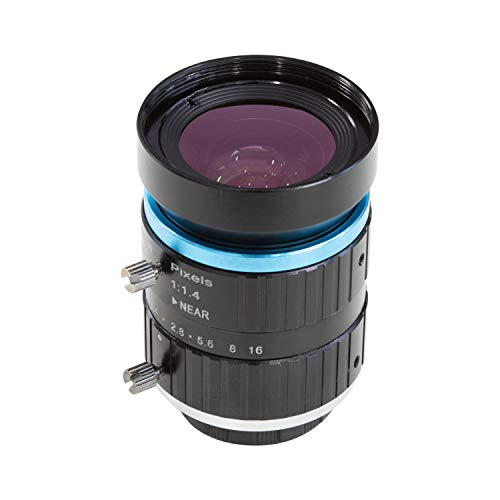
Arducam’s 12MP IMX477 compatible C‑Mount lens offers a 16 mm focal length with a C‑CS adapter and manual focus plus adjustable aperture. It is tested with the Raspberry Pi HQ Camera and is designed to deliver minimal lens shading and clean image corners, contributing to straightforward image capture workflows. The moderate 16 mm focal length yields a mid‑range field of view that is suitable for compact surveillance, machine vision demos, and educational demonstrations where a compact, capable C‑mount option is preferred.
With its manual focus and aperture controls, this Arducam alternative provides predictable optical performance across a variety of scenes. The listed field of view (approximately 44.6° horizontal × 33.6° vertical on a standard sensor) helps users anticipate framing and depth of field when planning top‑down or close‑up shots for documentation, tutorials, or experimentation with Raspberry Pi projects.
Buying Guide
When choosing a C‑mount lens holder or related accessory, consider how you will mount, illuminate, and adapt lenses to your existing hardware. The following factors help compare options and identify the best fit for your needs.
- Mounting compatibility: Check clamp diameter and the supported range (e.g., 26–52 mm) to ensure your lens fits securely. Overhead rigs and arm stands should promise stable support for the intended weight.
- Flexibility and reach: Arm length, dual goosenecks, and crossbar configurations determine how easily you can position the lens for focus accuracy and comfortable working angles.
- Illumination: Integrated LED lighting improves visibility in macro and high‑detail tasks. Ensure brightness control is smooth and the heat is manageable during extended use.
- Adapter and interface options: If you plan to use C‑mount lenses on different cameras, verify whether adapters (C‑Mount to Canon EF, C‑CS) are included or available separately, and confirm compatibility with your sensor size and interface (HDMI, USB, etc.).
- Build quality and payload: Durable materials and tight tolerances reduce drift during adjustment. A robust clamp and rigid arm minimize wobble, especially when focusing at high magnifications.
- Adjustability vs. simplicity: Some setups emphasize modularity with multiple points of articulation; others prioritize a compact, single‑piece design. Choose based on how often you reposition the lens and the precision you require.
- Lens options versus holders: Accessory sets include both flexible lenses and mounting solutions. If your work demands frequent focal changes, prioritize a lens with a wide, controllable zoom range and reliable mechanical focus.
- Value and support: Consider the longevity of the product, availability of spare parts, and compatibility with future gear upgrades to maximize return on investment.
In sum, the best choice depends on your workflow: a highly adjustable arm stand excels for frequent repositioning and complex angles, while a stable overhead rig is ideal for fixed top‑down shots. Lenses and adapters expand compatibility with existing cameras, enabling broader imaging applications without a full kit replacement.