Blue light from screens can disrupt sleep and contribute to eye strain during long work, gaming sessions, or photo editing. This guide highlights five top blue light filter options available on Amazon, including prescription-free glasses and camera lens filters. Each product is evaluated for blocking performance, glare reduction, and comfort across different use cases. From gaming-friendly eyewear to clip-on solutions for glasses wearers, the selections cover professional and casual settings. Use the Buying Guide to compare efficacy, tint, coatings, and compatibility to help choose the best blue light filter lens for your needs.
| Product | Brand | Type | Notable Feature |
|---|---|---|---|
| Gunnar Intercept | Gunnar | Glasses | Blue Light Protection Factor; doctor-recommended design |
| J+S Haka Blue Light Glasses | J+S | Glasses | Blocks 90% of the most harmful blue light (400–430nm) |
| Vyzia Clip-on Blue Light Glasses | Vyzia | Clip-on Glasses | Active blue light filtering with clip-on convenience |
| Prospek Solaris | Prospek | Glasses | Orange lenses block 99.9% blue light |
| K&F Concept Blue Streak Filter | K&F Concept | Camera Lens Filter | Blue streak flare effect; 28-layer anti-reflection coating |
Gunnar Intercept Blue Light Glasses

Gunnar’s Intercept glasses are positioned for gamers and computer users seeking relief from eye strain. The listing emphasizes a patented lens design and a measured blue light protection factor that indicates how much of the peak blue light spectrum is blocked. They are described as protecting against screen-related symptoms such as migraines, headaches, dry eyes, and blurred vision during long sessions on tablets, computers, TVs, and phones. The product targets both men and women with a focus on reducing discomfort from prolonged screen exposure.
- Patented lens with a quantified Blue Light Protection Factor
- Blocks a portion of peak blue light around 450 nm
- Designed to reduce eye strain and headaches during long screen time
- Marketed as protective against long-term exposure effects associated with blue light
J+S Haka Blue Light Glasses

These non-prescription glasses are designed to filter high-energy blue light from electronic devices, including computers, TVs, smartphones, and fluorescent lighting. The listing notes that the glasses aim to reduce eye fatigue, headaches, and sleep disturbances caused by blue light. They claim to block 90% of the most harmful blue light (400–430 nm) while maintaining relatively natural color perception. Different tint options (low distortion to HD) are mentioned, offering a balance between protection and color accuracy for tasks like graphic design or video viewing.
- Non-prescription blue light filtering
- Blocks up to 90% of the most harmful blue light (400–430 nm)
- Low to moderate color distortion options for clear vision
- Includes UVA/UVB protection for daytime use
Vyzia Blue Light Clip-on Glasses
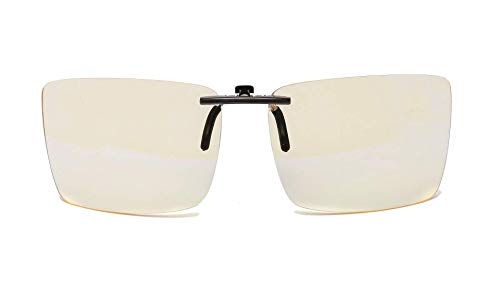
The Vyzia clip-on solution is designed for wearers who prefer flexibility, offering a clip-on frame that attaches to existing glasses. The listing highlights blue light protection with UV400—reducing dry eyes and headaches linked to digital device use. The design emphasizes a durable alloy frame and shatterproof lenses, aiming to deliver reliable protection without sacrificing wearability for office workers, gamers, seniors, and general screen users.
- Blue Light Protection & UV400
- Alloy metal clip with shatterproof lenses
- Convenient over-glass wear for extended screen time
Prospek Solaris Blue Light Glasses
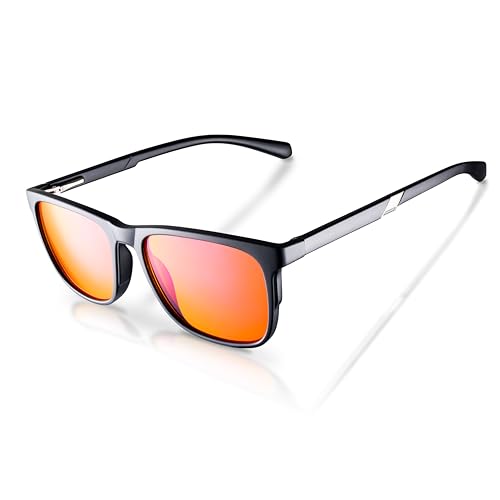
Prospek Solaris emphasizes orange-tinted lenses designed to block a high percentage of blue light, with claims of up to 99.9% protection. The product targets professionals, gamers, and students who work or study for extended periods and may help improve sleep by reducing blue light exposure in the evening. The listing suggests these lenses support focus and eye protection during long study sessions or late-night gaming, with an emphasis on reducing digital eye strain and supporting nightly rest.
- Orange lenses block 99.9% of blue light
- Designed for professionals, gamers, and students
- May support melatonin regulation and better sleep in evening use
Pangda 9 Pack Gel Light Filter Overlays (Blue)

The Pangda filter kit focuses on camera lighting rather than wearable lenses. The gel sheets provide blue-tinted overlays that can be used to shape color temperature and lighting effects for photography and video. While not a direct eyewear solution, these filters influence the perceived blue light in scene lighting and post-production workflows, aiding color correction and creative lighting setups for photographers and videographers.
- Blue light related gel overlays for lighting setups
- Easy to cut and apply to lighting fixtures
- Includes protective film and color adjustment options
Pangda 9 Pack Gel Light Filter Overlays

This alternative listing showcases a blue color option within a similar gel filter set, intended for film, video, and photography. The overlays are described as high light transmission plastics suitable for correcting color temperature and enhancing image clarity, particularly in conditions with intense blue light or mixed lighting. The sheets are sized for standard lighting fixtures and are cut to fit as needed.
- Light transmission rated gel filters
- Suitable for film, video, and photography workflows
- 11.7 x 8.3 inch sheets with protective film
Buying Guide
Choosing the right blue light filter lens depends on how you use screens or lighting and where you spend your time. Below are key considerations and practical comparisons to help you decide which option best suits your needs.
Form Factor And Use Case
Eyewear (glasses or clip-ons) is best for daily screen time, gaming, and late-night use. Camera lens filters and lighting gels serve photographers, videographers, or content creators aiming to influence color and glare in lighting or scene composition. Selecting the correct form factor aligns with your primary activity: personal viewing, professional work, or content creation.
Efficacy Of Blue Light Blocking
Blocking effectiveness varies by product. Glasses like the J+S Haka claim 90% blockage in the most harmful blue light range, while the Prospek Solaris claims near-total blocking with orange lenses. Gunnar emphasizes a Blue Light Protection Factor as a measured metric. For camera filters, the focus shifts from eye protection to controlled lighting and color effects, rather than direct eye-grade blue light filtration.
Color Distortion And Visual Comfort
Lenses with strong blue light blocking can alter color perception. Some products advertise low distortion while others use tinted lenses (orange or amber) that dramatically shift color. If you work with color-sensitive tasks, prefer options described as low distortion or HD tint. Clip-ons should maintain balance between protection and compatibility with your existing frames.
Coatings, Durability, And Maintenance
Look for anti-reflection coatings and UV protection. Camera filters often mention multiple coatings to reduce reflections and scratches, while eyewear focuses on lens coatings and frame durability. Regular cleaning with appropriate materials preserves clarity and headset comfort for glasses-wearers or clip-on users.
Comfort, Fit, And Compatibility
Weight, frame design, and nose bridge comfort influence daily wear. Clip-ons should fit securely without interfering with existing glasses. For gaming or office use, lightweight frames and adjustable temples improve long-term comfort. Consider prescription needs and whether non-prescription options meet your requirements.