Best Black and White Camera Photos: Top Picks for Timeless Shots
Black and white photography emphasizes light, shadow, and texture, offering a timeless aesthetic that remains popular among enthusiasts and professional shooters alike. Whether you’re chasing film grain, crisp contrast, or nostalgic Polaroid vibes, the right gear can help you capture or reproduce striking monochrome images. This article highlights five Amazon picks that focus on black and white image creation—from black-and-white instant film and cameras to classic 35mm B&W film and kid-friendly instant-print cameras. A concise product table follows, then detailed sections for each item, finishing with a practical buying guide to help you decide which path to monochrome best fits your goals.
| Product | Brand | Type | Best For |
|---|---|---|---|
| Polaroids Black & White Instant Film | Lumintrail | Instant Film | Polaroid i-Type cameras |
| Polaroid Gen 2 Now I-Type Camera | Polaroid | Instant Camera | Black & White bundle with color pack |
| Impossible Black & White Film for I-Type | The Imaging World | Instant Film | i-Type OneStep2 cameras |
| Kodak Tri-X 400TX Film | Ritz Camera | 35mm Film | Classic B&W film stock |
| Instant Print Camera For Kids | Amzelas | Digital/Instant Print Camera | Kids printing in black & white |
Polaroid Black & White Instant Film

This black-and-white instant film is designed for Polaroid i-Type cameras, producing photos with the classic white border and a monochrome look that many shooters seek for a vintage, gallery-ready vibe. It is optimized for i-Type models such as the OneStep 2, OneStep+, and Polaroid Now, ensuring compatibility with the broader i-Type ecosystem. In bright light, results tend to be clean and detailed, while indoor shots can still yield strong contrast with careful lighting. Development takes roughly 10-15 minutes; keep photos shielded from light during development and avoid shaking the film to prevent image damage. The bundle includes a Lumintrail lens cleaning cloth, helpful for maintaining image clarity and lens health during frequent shooting sessions.
Photographers can leverage the film’s clarity and crisp tones to explore dramatic textures, architectural lines, and high-contrast portraits. The design of the film’s border remains a signature aesthetic, which helps images read well in print or on social media. As with all instant films, exposure and light control matter—shoot in well-lit environments when possible, and use flash thoughtfully in darker settings to avoid flat results. This option is ideal for fans of Polaroid’s iconic instant workflow who want reliable B&W results with minimal equipment beyond the camera.
Polaroid Gen 2 Now I-Type Camera

The Polaroid Gen 2 Now I-Type is a rechargeable instant camera that emphasizes ease of use and portability. It works with i-Type and 600 Polaroid film, so it’s compatible with a broad range of monochrome options. The camera features a two-lens autofocus system to help you capture sharp pictures without extensive setup, and its autofocus performance is particularly helpful for casual shots and spontaneous street photography. A notable feature is its double exposure capability, enabling creative layering and more dynamic black-and-white compositions. The bundle’s included color i-Type film pack offers flexibility if you want to experiment with color alongside monochrome printing.
For B&W enthusiasts, this camera represents a practical entry into instant photography with instant feedback. Its robust build and straightforward controls reduce barriers for beginners, while the result quality holds up in prints and digital scans. When shooting in monochrome, consider lighting and contrast to maximize texture and tonal range. The combination of autofocus reliability and the instant-film workflow helps you build a tangible portfolio of black-and-white images quickly, making it suitable for beginners and students exploring monochrome aesthetics.
Impossible Black & White Film for I-Type

This Black & White instant film is designed for Polaroid Originals I-Type cameras such as the OneStep2. The film features a classic white frame and a dedicated ISO/ASA film speed (often around 640), which helps determine exposure in varying lighting. Development typically occurs over 10-15 minutes, and like other instant films, the image appears gradually and should be shielded from light during processing. The included two-pack offers a reliable supply for experimentation with monochrome tones, textures, and contrast. The result is a nostalgic, vintage-tinged B&W print with strong grain potential depending on lighting conditions.
Photographers can explore a range of monochrome expressions—from high-contrast portraits to architectural details and macro textures—by adjusting lighting and shooting angles. The film’s performance benefits from ample natural light, though indoor lighting with a diffused flash can yield interesting results as well. If you’re aiming for classic B&W aesthetics, this film delivers dependable monochrome results that are easy to scan or photograph for portfolios or walls.
Kodak Tri-X 400TX Film
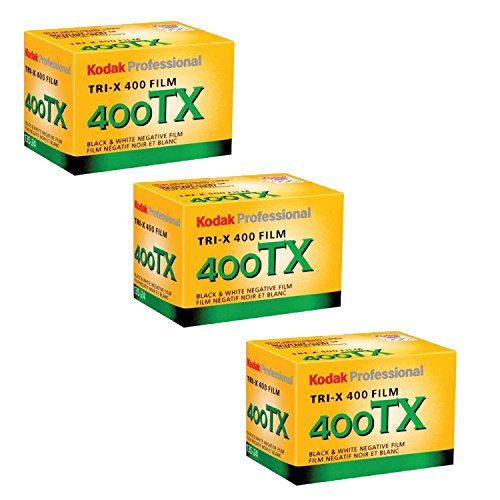
Kodak Tri-X 400TX is a classic professional-grade black-and-white 35mm film with fine grain and reliable sharpness. ISO 400 provides broad exposure latitude, making it a versatile choice for a range of lighting scenarios—from sunny urban scenes to indoor studio lighting. With 24 exposures per roll, it’s well-suited for street photography, documentary work, and artistic projects where tonal depth and texture matter. This film delivers rich mid-tones, substantial contrast, and an archival-friendly aesthetic that remains a staple in traditional B&W photography workflows.
Developing Tri-X requires standard darkroom or lab processing, and many photographers appreciate its forgiving nature under varying exposure conditions. The grain structure adds character, especially when printed at larger sizes. For digital artists, scanning and post-processing can emphasize the film’s dynamic range, from deep shadows to bright highlights, while preserving the film’s classic personality. If you favor a timeless B&W look with a lot of control over processing, Tri-X remains a go-to option.
Instant Print Camera For Kids

This kid-friendly instant print camera emphasizes simplicity and immediate gratification. It features a 2.4-inch screen for easy photo and video viewing, and it offers instant printing with thermal technology that eliminates ink cartridges. The camera supports 1080P video and includes multiple filter frames, a 16x digital zoom, and a microSD storage option to save images. Importantly, the device can print in black and white, making it a playful way for children to engage with monochrome photography while adults supervise and guide composition and lighting. A 32GB card expands storage for capturing lots of moments before printing.
Designed as a gift for kids, this camera encourages exploration of photography fundamentals without the mess of traditional inks. The printouts provide immediate tangible results, which can be displayed, shared, or used for crafts. Parents should supervise screen time and ensure the camera is used in well-lit areas to maximize print quality. While not a professional tool, it offers an approachable pathway to monochrome imaging and instant gratification for younger photographers.
Buying Guide
Choosing the right path to black-and-white photography depends on how you plan to shoot, process, and display images. This guide highlights several purchase considerations to help you compare options across instant film, traditional film, and kid-friendly printing devices.
Camera Type And Film Compatibility
Consider whether you want instant-film convenience, traditional 35mm versatility, or a digital-to-print workflow for kids. Instant-film cameras (i-Type/600 compatibility) deliver tangible prints with a unique look, but film cost can add up per image. Traditional 35mm film such as Tri-X offers deeper control in development and printing but requires a darkroom or lab. If you want a family-friendly entry point, a kid-focused instant camera with black-and-white print options can be appealing while teaching basic composition and lighting.
Light And Exposure
Black and white images rely on light and contrast to define shape and texture. Higher-contrast lighting enhances tonal separation, while shadow detail benefits from careful exposure. Some films have broader latitude, making them more forgiving in mixed lighting. When working with instant film, plan for reflectivity and light quality because development occurs after exposure and under varying ambient light. For traditional film, experimenting with exposure compensation can yield a broader tonal range.
Instant Versus Traditional Film
Instant films provide immediate results, great for portfolios, wall displays, or social sharing, but can be pricier per image. Traditional film allows you to push or pull development and experiment with different developers to shape grain and contrast. A mixed approach—using instant film for quick tests and traditional film for refined work—can help you learn how light and processing influence monochrome aesthetics.
Print And Display Considerations
When printing black-and-white images, consider the print size, paper type, and archiving potential. Classic silver halide prints offer rich tonal ranges and longevity when properly processed. For instant prints, consider scanning and digital editing to optimize contrast before printing larger sizes. Framing choices, matting, and archival materials also affect long-term display quality.
Budget And Availability
Film stock pricing, availability, and the cost of development can influence your planning. Instant-film packs and kid-friendly devices may provide more budget-friendly entry points, while professional-grade 35mm films and lab processing may incur higher ongoing costs. Availability varies by region, so it helps to stock up during promotions and verify compatibility with your existing gear before purchasing.
Practical Comparisons
- Instant film offers fast gratification and a tangible final print, ideal for hands-on projects and demonstrations.
- Traditional 35mm film provides greater control and flexibility in processing, with richer tonal depth.
- Kid-friendly cameras emphasize ease of use and immediate prints, suitable for learning moments and family projects.