Best Astrophotography Cameras for Beginners to Capture Stunning Space Images
Choosing the best astrophotography camera for beginners can be daunting with numerous options designed for capturing the moon, planets, and deep-sky objects. This guide reviews top telescope cameras and digital options that combine ease of use, image quality, and compatibility for newcomers entering the fascinating world of astrophotography.
| Camera | Brand | Key Features |
|---|---|---|
| SVBONY SV105 Telescope Camera | SVBONY | 1.25″ IMX307 CMOS sensor, plug & play, lunar & planetary imaging, compatible with Windows/Linux/Android |
| Telescope Camera 4K 8MP by FIBONAX | FIBONAX | 8MP sensor, 4K video, IR filter, plug & play multi-OS, standard 1.25″ telescope compatibility |
| SIXTARY 64MP 4K Digital Camera | SIXTARY | 64MP photos, 4K video, 180° flip screen, WiFi, autofocus, 16X zoom, comes with 32GB card & batteries |
| SVBONY SV305C Planetary Camera | SVBONY | IMX662 color sensor, 1.25″ eyepiece compatible, removable UV IR cut glass, low noise, EAA capable |
| FIBONAX 2MP USB Telescope Camera | FIBONAX | 2MP true color sensor, 1080P 30fps, removable IR filter, lightweight metal body, plug & play |
SVBONY SV105 Telescope Camera for Beginners
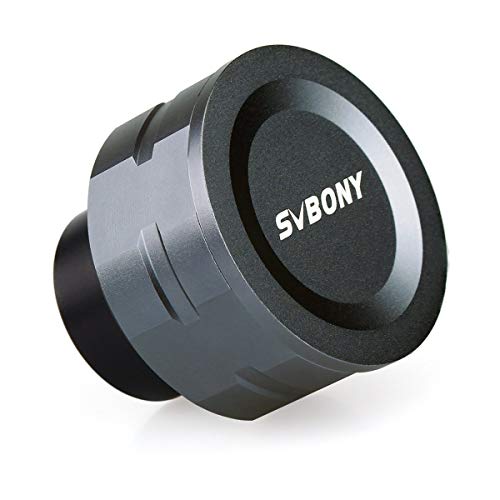
The SVBONY SV105 is an ideal entry-level telescope camera designed to make astrophotography accessible to novices. Featuring a 1.25 inch IMX307 CMOS color sensor, it supports easy lunar and planetary imaging. This camera requires no drivers, offering plug and play functionality. Simply attach it to the telescope and view real-time celestial objects on a laptop or PC.
It supports multi-platform compatibility: Windows users download Sharpcap Capture, Linux users use AstroDMx Capture, and Android users can use the USB Camera app. Its real-time dynamic observation and clear images make it perfect for beginners who want to quickly capture bright planets, the moon, or terrestrial targets without complex setups.
FIBONAX 4K 8MP Telescope Astrophotography Camera

The FIBONAX 4K Telescope Camera is perfect for beginners seeking high-resolution images. Its 8MP sensor delivers 1080P video at 60fps and 4K video capture at 30fps, enabling smooth and detailed recordings of the moon and planets like Saturn.
This camera features a 1.25″ standard telescope compatibility fitting and includes an IR-cut filter that reduces light pollution and protects the sensor. It supports automatic recognition on Windows, macOS, and Linux with no driver installation required. This plug and play camera allows instant streaming of live celestial views using UVC-compatible software.
SIXTARY 64MP 4K Digital Camera with WiFi

The SIXTARY 64MP 4K Digital Camera is a versatile compact camera with advanced features suitable for beginners stepping into astrophotography and vlogging. It supports Ultra HD 4K video recording and 64MP high-quality photos with autofocus and 16X digital zoom.
This lightweight camera includes a 3″ 180° flip screen, facilitating selfie-style astrophotography or vlogging under the stars. Built-in WiFi allows wireless transfer of images and videos via the Viipulse app. Its webcam functionality enables live streaming—ideal for sharing spectacular celestial events across social platforms.
SVBONY SV305C Color Planetary Astrophotography Camera

The SVBONY SV305C is geared towards enthusiastic beginners with its advanced IMX662 back-illuminated sensor, delivering excellent planetary and lunar image quality. Its 1/2.8” sensor has a large 2.9μm pixel size to minimize overexposure while maintaining high sensitivity, especially in the red spectral bands.
It includes removable UV/IR cut glass to enhance color accuracy and reduce unwanted wavelengths. The camera is compatible with standard 1.25” telescope focusers and supports Electronic Assisted Astronomy (EAA) workflows. Low readout noise and virtually no sensor glow ensure crisp images of celestial objects.
FIBONAX 2MP USB Telescope Camera with IR Filter

The FIBONAX 2MP USB Telescope Camera offers straightforward astrophotography with good image quality for beginners. Its true color 2MP sensor provides smooth 1080P HD video at 30fps. An included removable IR-cut filter reduces light pollution and dust interference, improving image clarity of planets like Jupiter.
The ultra-light aluminum body minimizes heat buildup, decreasing thermal noise during long exposures. It fits 1.25” telescope eyepieces without adapters and features plug-and-play USB connectivity requiring no extra tools, streamlining setup for new astrophotographers.
Buying Guide for Astrophotography Cameras for Beginners
When selecting an astrophotography camera as a beginner, consider the following key factors to ensure the best experience and results:
Sensor Type and Resolution
CMOS sensors with back-illuminated technology improve low-light sensitivity, crucial for capturing faint details in celestial bodies. Higher megapixels enable detailed images but may increase processing requirements. For planetary and lunar imaging, a sensor resolution between 2MP and 8MP is generally sufficient.
Compatibility with Your Telescope
Verify that the camera fits standard 1.25″ eyepiece slots or matches your telescope’s focuser interface. Thread specifications such as M28.5×0.6mm are common for easy integration. Cameras designed to replace telescope eyepieces reduce the need for additional adapters.
Ease of Use and Software Support
Plug & play cameras with multi-OS support (Windows, macOS, Linux) simplify setup, especially for beginners. Cameras requiring minimal or no driver installation accelerate time to first image. Look for cameras compatible with free or widely-used astrophotography software like Sharpcap or AstroDMx Capture for enhanced capturing options.
Image and Video Capture Capability
Cameras offering smooth high-definition video (1080P or 4K) enable capturing dynamic planetary features while still images are essential for deep sky object photography. An IR-cut filter helps reduce unwanted light pollution and protects the imaging sensor.
Additional Features
- Portability: Lightweight and compact cameras ease transportation and setup.
- Live View & Streaming: Real-time dynamic observation supports framing and focusing during imaging sessions.
- Autofocus & Zoom: Useful for handheld or standalone digital cameras but less common in telescope cameras.
- Durability & Cooling: Metal bodies dissipate heat better, reducing noise in long exposures.
By weighing these aspects, beginners can find an astrophotography camera that fits their telescope, enhances their imaging skills, and inspires them to explore night sky wonders with confidence.