Anamorphic lenses shape modern storytelling by delivering a wide, cinematic look with distinctive horizontal flares and a characteristic 2.4:1 aspect ratio. They come in compact adapters for action cameras, as well as dedicated lenses for mirrorless and DSLR setups. When choosing an anamorphic option, consider your shooting platform, the desired workflow, and how much you value de-squeezing either in-camera or in post. The right lens can elevate both still photography and video, delivering a film-like horizon and unique bokeh that set your work apart.
Below are five well-regarded options that balance image quality, portability, and practical features. A quick summary table follows to help you compare at a glance.
| Product | Platform | Notable Feature |
|---|---|---|
| GoPro Anamorphic Lens Mod (HERO13) | GoPro HERO13 | In-camera de-squeeze; 21:9 ultra wide look |
| SIRUI 24mm Anamorphic Lens F2.8 1.33X | APS-C (EF-M Mount) | 1.33x squeeze; 2.4:1 look; blue flare |
| SIRUI 20mm T1.8 1.33X Anamorphic Lens | Sony E-mount / APS-C | Autofocus capable; 1.33x squeeze; 2.35:1 experience |
| NEEWER 1.2X Anamorphic Lens | GoPro Hero (12/11/10/9) | 1.2x compression; blue flare; high clarity |
| Freewell 2-in-1 Macro & Wide Angle Kit | DJI Pocket 3 | 1.1x anamorphic; macro and wide options; ND filters |
GoPro Anamorphic Lens Mod For HERO13

The GoPro Anamorphic Lens Mod provides a cinematic ultra-wide-angle perspective with a 21:9 look, making static scenes and stabilized gimbal footage feel more expansive and cinematic. It is designed to reduce distortion at the edges and minimize corner aberrations, delivering a more filmic edge-to-edge quality. This adapter-style solution is especially appealing for action-packed shoots where weight and portability matter, such as sports, travel, or vlogging on compact rigs. The result is a broader horizon and a refined, professional touch that distinguishes your footage from standard wide-angle captures.
A key feature is the in-camera de-squeezing capability, which lets you preview the corrected widescreen image immediately after capture. This streamlines editing by removing the need to de-squeeze footage in post-production, saving time during fast-moving shoots. For creators who rely on a GoPro for on-the-go cinematic experiments, this lens provides a quick path to a more polished, cinematic result without a heavy post workflow.
SIRUI 24mm Anamorphic Lens F2.8 1.33X
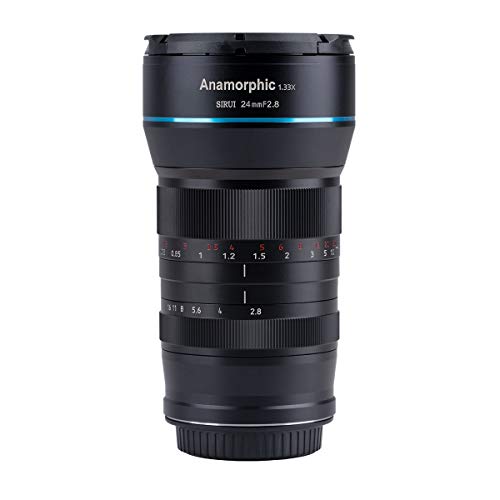
The 24mm anamorphic lens for APS-C sensors uses a 1.33x squeeze to yield a cinematic 2.4:1 aspect when paired with standard 16:9 sensors. As you narrow the focal length to 24mm, the horizontal field of view widens, producing a broad horizon that’s ideal for landscapes, architecture, and travel footage. A notable benefit is the reduced minimum focusing distance of about 0.6 meters, enabling closer subject work in tight spaces without sacrificing the anamorphic frame. In still photography, you can enjoy the distinct anamorphic look—rectangular bokeh, blue light streaks, and a stylized horizon that sets your images apart.
While primarily marketed toward video, this lens also elevates stills with a cinematic character that differentiates ordinary 16:9 imagery. The blue flare and oval bokeh contribute to a recognizable filmic signature, giving your projects a nostalgic yet contemporary vibe. Built for APS-C ecosystems, it bridges the line between compact, portable setups and more traditional cinema optics, making it a versatile addition to a growing anamorphic kit.
SIRUI 20mm T1.8 1.33X Anamorphic Lens

The 20mm T1.8 anamorphic lens brings a 1.33x squeeze to the E-mount and related APS-C bodies, delivering a broad cinematic field of view without excessive cropping. Its 2.35:1 potential in 16:9 capture makes it ideal for storytelling that benefits from a wide, immersive look. The lens supports selectable manual and autofocus, powered by a precision STM stepping motor for smooth, quiet operation. It also features an image circle large enough for Super 35 sensors, ensuring consistent coverage and sharpness across the frame, with careful handling of distortion and color rendering that maintains a natural skin tone and contrast.
Autofocus capability, including eye-tracking options and an AF/MF switch, gives cinematographers and creators precise control over focus decisions during dynamic takes. This balance of manual precision and automated convenience makes the 20mm a flexible choice for run-and-gun shoots, narrative scenes, or music videos where timely focal shifts matter. With a 1.33x squeeze, the lens helps you achieve a classic anamorphic aesthetic while maintaining practical handling on modern mirrorless bodies.
NEEWER 1.2X Anamorphic Lens For GoPro

The NEEWER 1.2x anamorphic lens for GoPro HERO models offers a compact way to achieve a wider, more cinematic frame. The 1.2x squeeze enhances the horizontal field of view, producing a widescreen look that complements fast action and intimate scenes alike. A distinctive blue flare accompanies bright light sources, giving a retro-futuristic glow that signals a deliberate anamorphic choice rather than a standard ultra-wide. The lens is built with multi-coated optical resin elements, aimed at delivering sharper images with color accuracy and reduced aberrations—an important consideration for action footage where motion and lighting are variable.
Designed for GoPro’s rugged lineup (Hero 12 through Hero 9), this lens provides a practical upgrade for travelers, vloggers, and outdoor creators who want a cinematic edge without investing in heavier cinema glass. While the lens emphasizes clarity, users should manage camera motion to avoid jelly effects in rapid pans, and turn off stabilization as recommended to preserve image integrity during the shot.
Freewell 2-in-1 Macro & Wide Angle Kit For Pocket 3

This Freewell kit is built around versatility, combining macro and wide-angle capabilities with an integrated anamorphic element designed for the Pocket 3. The 2-in-1 design makes it simple to switch between expansive landscapes and close-up details, expanding your creative toolkit without swapping lenses. The included Anamorphic 1.1x lens adds the cinematic widescreen aspect, enhancing lens flares and the sense of space in your footage. A complete set also features a range of ND filters (ND8, ND32, ND128) to manage exposure across varied lighting conditions and maintain the signature cinematic look even in bright environments.
For users wanting to explore both macro detail and cinematic drama in one compact kit, this option delivers practical performance with a relatively light footprint. The kit’s design supports easy travel and on-the-go shooting, making it a fitting choice for creators who document architecture, cityscapes, and lifestyle scenes with a desire for a refined anamorphic signature.
Buying Guide
Choosing an anamorphic lens depends on your shooting platform, desired aspect ratio, and workflow. Here are key considerations and comparisons to help you decide which option fits your projects best.
- Squeeze factor and aspect ratio: Common choices include 1.33x and 1.2x, which influence the amount of horizontal compression and the final 2.4:1 cinematic look. Some lenses, like GoPro-specific mods, provide in-camera de-squeezing for immediate widescreen playback, while others rely on post-processing.
- Camera platform and sensor size: APS-C and Super 35 lenses (e.g., 24mm and 20mm options) suit larger sensors and deliver expansive horizons. Action cameras (GoPro) typically require compact adapters designed for their form factor. Choose a lens that matches your body’s mount, sensor size, and weight tolerance.
- Autofocus vs manual focus: Lenses such as the 20mm T1.8 offer selectable AF/MF and autofocus aids, which helps with moving subjects. Fixed-focus adapters favor careful pre-planning and tripod work but can deliver strong results with patience.
- Minimum focusing distance: A shorter minimum focusing distance (like 0.6m on some 24mm APS-C lenses) enables closer subject work in tight spaces, broadening possible scenes from interiors to street portraits with anamorphic flair.
- In-camera vs post de-squeezing: Some options provide real-time de-squeezing, while others require software to correct the image in post. In-camera solutions streamline workflows for quick-turn projects, whereas post-de-squeeze offers more flexibility for fine-tuning.
- Color rendering and flares: Anamorphic lenses naturally introduce blue flares and oval bokeh that define the look. Some models emphasize brighter, more sci-fi flares; others aim for a subtler, classic cinema aesthetic. Consider how much flare you want in your storytelling.
- Build and compatibility: If you shoot with drones, action cams, or pocket cameras, weight and balance become critical. Some kits bundle ND filters to handle daylight, preserving shape and contrast for the cinematic feel even in bright conditions.
- Budget and value: While premium cinema lenses deliver exceptional optics, modern anamorphic options span a broad price range. Assess how much you’ll shoot with anamorphic aesthetics, and weigh the trade-offs between portability, autofocus, and de-squeeze convenience.
- Practical testing: If possible, sample footage or stills from each lens helps visualize how the squeeze factor, distortion, and bokeh will translate to your specific subjects, whether landscapes, portraits, or action scenes.
Across platforms—from action cameras to mirrorless bodies and compact drones—the right anamorphic lens can unlock a distinctive cinematic voice. By weighing squeeze factor, compatibility, autofocus needs, and workflow efficiency, you can select a solution that best matches your creative goals and practical constraints.