Best 70-200mm Zoom Lenses for Canon, Nikon, Sony, and Sigma Shutter Fans
Answering the common buyer question: which 70-200mm zoom lens best fits your camera system and shooting style? This guide compares five top options across major brands, highlighting who each lens is best for, why it stands out, and any trade-offs. It’s designed for enthusiasts and professionals choosing a versatile telephoto zoom for sports, portraits, events, or wildlife. A quick summary table offers a high-level at-a-glance view of each model’s key attributes to speed up your decision.
| Product | Brand | Mount | Max Aperture | Notes |
|---|---|---|---|---|
| Canon RF 70-200mm F2.8 L IS USM | Canon | RF | F2.8 | Bright, image-stabilized, RF-era design |
| Sony FE 70-200mm F2.8 GM OSS II | Sony | FE | F2.8 | High-resolution, advanced AF, movie-friendly |
| Nikon AF-S 70-200mm f/2.8G | Nikon | F-mount | F2.8 | VR stabilization, solid for DSLR bodies |
| Canon EF 70-200mm f/4 L IS USM | Canon | EF | F4 | Lightweight, economical option with IS |
| Sigma 70-200mm f/2.8 DG DN OS Sports | Sigma | Sony E / L-Mount | F2.8 | Professional-grade, OS stabilization, versatile for mirrorless |
Canon EF 70-200mm f/2.8L USM Telephoto Zoom (Renewed)

The Canon EF 70-200mm f/2.8L USM is a classic fast telephoto zoom with Ultra-low Dispersion glass and inner focusing. It offers full-time manual focus and a 70-200mm focal range suitable for portraiture, sports, and event photography on Canon EOS bodies with EF mount. This renewed model emphasizes consistent performance with a proven optical design and robust build. Best for Canon DSLR shooters needing a reliable, fast aperture zoom with professional image quality.
Best for: Canon DSLR users who want a well-regarded L-series zoom with fast autofocus in a versatile focal range. Reason selected: strong image quality and rugged professional construction. Caution: renewal condition means you should verify working condition and accessory completeness before use.
Canon RF70-200mm F2.8 L IS USM

This Canon RF zoom is built for mirrorless EOS R-series bodies and offers a bright constant f/2.8 aperture, image stabilization up to around 5 stops of shake correction, and a compact, lightweight design for a fast telephoto option. Best for: Canon mirrorless shooters who want top-tier brightness and stabilization in a versatile zoom. Reason selected: RF-specific performance and improved handling over older EF equivalents. Caution: heavier than some compact options and designed around RF mount.
Sony FE 70-200mm F2.8 GM OSS II
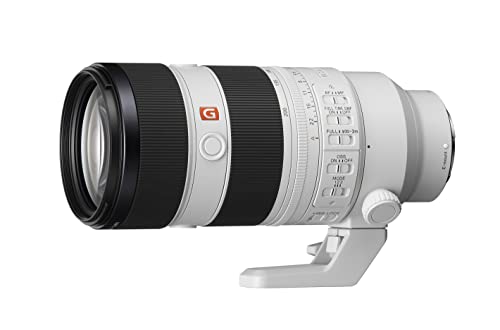
The Sony FE 70-200mm F2.8 GM OSS II delivers exceptional image quality across the zoom range with multiple aspherical and ED elements to minimize aberrations. It includes fast AF, reliable tracking, and an advanced stabilization system. Best for: Sony full-frame shooters who require top-notch resolution, smooth bokeh, and movie-friendly performance. Reason selected: flagship performance with refined optics and autofocus. Caution: high price and large size may be a consideration for travel.
Nikon 70-200mm f/2.8G ED-IF AF-S VR Zoom

The Nikon 70-200mm f/2.8G ED-IF AF-S VR is a veteran DSLR telephoto with constant f/2.8, robust Vibration Reduction, and AF-S focusing. Best for: Nikon DSLR users seeking reliable stabilization and sharp results across the focal range. Reason selected: proven optical performance with VR for handheld shooting. Caution: designed for DSLR bodies; may require adaptation or consider newer mirrorless options for future-proofing.
Canon EF 70-200mm f/4 L IS USM

The Canon EF 70-200mm f/4 L IS USM is a lighter, more affordable alternative with weather sealing and a responsive USM-driven autofocus. Closest focusing distance is about 3.94 feet, and fluorite UD elements help maintain sharpness and contrast. Best for: photographers who want a portable, lower-cost telephoto with solid image quality. Reason selected: good balance between weight and performance. Caution: slower f/4 aperture compared to f/2.8 options, especially in low light.
Sigma 70-200mm f/2.8 DG DN OS Sports (Sony E / L-Mount)
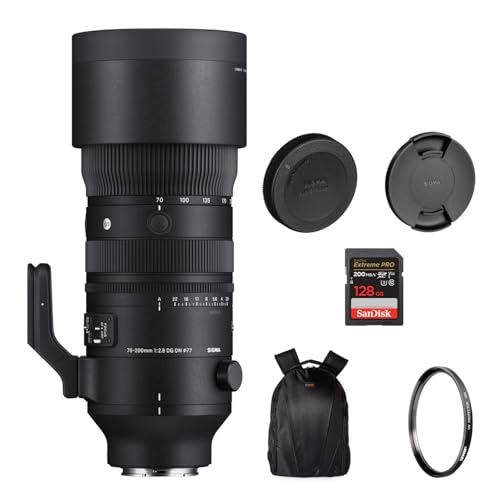
The Sigma 70-200mm f/2.8 DG DN OS Sports is a high-performance tool for mirrorless systems, featuring a fast AF motor, OS stabilization, and weather-sealed build. It also includes a versatile set of compatibility options across Sony E-mount and L-mount ecosystems. Best for: professional shooters who need constant f/2.8 across a versatile range with robust stabilization. Reason selected: strong optical performance and modern features for mirrorless bodies. Caution: bundled accessories may vary by retailer; verify included items before purchase.
Buying Guide: Key Considerations for 70-200mm Zoom Lenses
Mount compatibility matters most: Canon EF and RF, Nikon F, Sony E, and Sigma’s dual-mount options cover a wide range of cameras. Aperture matters for subject isolation and low-light performance; f/2.8 is the benchmark for action, sports, and events, while f/4 offers lighter weight and cost benefits. Image stabilization (IS/OSS/OS) helps in handheld shooting and slower shutter speeds. Weight and balance affect long sessions; premium pro models can be heavier but deliver superior optics. Build quality, weather sealing, and autofocus speed are critical for action and wildlife. Consider future-proofing: mirrorless designs may be more forward-compatible with newer lenses.
Practical Comparison Questions
- Which system do you own, and is it DSLR or mirrorless?
- How important is a constant f/2.8 aperture for your work?
- Will you shoot in low light or rely on telephoto compression in daylight?
- Do you require weather sealing and rugged construction?
- Is lens weight a constraint for travel or long shoots?
FAQ
- What is the main advantage of a 70-200mm lens? – It provides versatile framing for portraits, events, wildlife, and sports with a useful zoom range and often fast apertures for subject isolation.
- Are renewals a good value? – Renewed lenses can offer substantial savings with tested performance, but verify condition and accessory completeness before buying.
- Is stabilization necessary at 200mm? – Yes, OS/OSS/IS helps stabilize handheld shots, especially at slower shutter speeds common with telephoto work.
- Should I buy f/2.8 or f/4? – f/2.8 provides brighter, more flexible shooting in low light and for shallower depth of field; f/4 saves weight and cost while maintaining performance.
- Which brand should I choose? – Pick the system compatible with your camera body (Canon, Nikon, Sony, or Sigma) and prioritize autofocus speed, image quality, and handling for your typical subjects.