Best 58mm Close Up Lens Sets for Sharp Macro Shots in 2026
Discover top 58mm close-up lens sets that expand your camera’s macro capabilities without a dedicated macro lens. This guide highlights five reliable options, covering a range of diopter strengths, build quality, and compatibility. Whether you shoot flowers, jewelry, or tiny insects, these filters help you capture fine textures with clarity and color fidelity while staying within a standard kit lens.
Summary table of selected products:
| Product | Brand | Diopters | Thread Size | Notes |
|---|---|---|---|---|
| Vivitar +1 +2 +4 +10 Close-Up Macro Filter Set | Vivitar | +1, +2, +4, +10 | 58mm | Includes pouch; versatile for macro accents |
| JJC 58mm Macro Close-Up Filter Set | JJC | +2, +4, +8, +10 | 58mm | Sturdy aluminum frame; avoid stacking on close-up |
| NiSi 58mm Close-Up Lens Kit | NiSi | +5 (approx. via kit) | 58mm | Includes adapters for 49mm and 52mm; premium optics |
| X-SweetDream 58mm Close-up Filter Kit | X-SweetDream | +1, +2, +4, +10 | 58mm | Includes pouch; versatile for multiple brands |
| GREEN.L 58mm Close-up Filter Set | GREEN.L | +1, +2, +4, +10 | 58mm | Professional optical glass; aluminum frame |
Vivitar 58mm Close-Up Macro Filter Set

The Vivitar set provides four diopters—+1, +2, +4, and +10—designed to enable macro photography with a standard lens. The kit is light on price yet offers practical options for gradual magnification. The included pouch helps keep the filters protected when not in use. Build quality centers on utility, with clear optical performance suitable for entry to mid-level macro projects. It works with a 58mm filter thread, ensuring easy compatibility with many kit lenses.
JJC 58mm Macro Close-Up Filter Set

The JJC set offers +2, +4, +8, and +10 diopters in a 58mm size, designed to shorten minimum focusing distances and deepen close-up effects. It’s noted for solid construction with an aluminum frame and a non-glare interior finish to minimize stray light. A key practical tip is to avoid stacking filters onto the close-up element, which can introduce aberrations. This kit suits photographers who need a straightforward, reliable way to vary macro magnification across subjects.
NiSi 58mm Close-Up Lens Kit
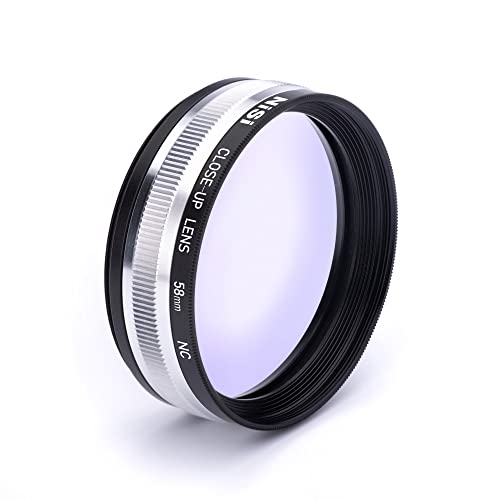
The NiSi kit emphasizes high-end optics with a professional build. It includes adapters for 49mm and 52mm lenses, expanding compatibility beyond 58mm threads. The set aims for up to 1:1 magnification, enabling detailed macro work with sharp edges and accurate color reproduction. The design employs double optical corrective glass and an apochromatic approach to minimize chromatic aberration, making it suitable for serious macro shooters who demand consistent image quality across magnification levels.
X-SweetDream 58mm Close-Up Filter Kit
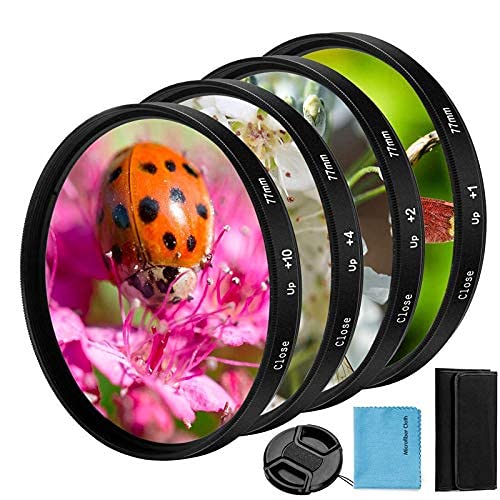
The X-SweetDream kit includes four diopters—+1, +2, +4, and +10—crafted to help photographers magnify small subjects while retaining overall image clarity. The set’s notes highlight dual-threaded compatibility, allowing usage with other filters such as polarizers or skylight filters. The listing warns against stacking on the close-up lens, which can affect sharpness. This kit is a practical option for hobbyists who want straightforward magnification with minimal fuss.
GREEN.L 58mm Close-up Filter Set

The GREEN.L set combines +1, +2, +4, and +10 diopters with a focus on optical glass quality and durability. The filters use a tough aviation aluminum frame and aim to deliver high transmittance for crisp macro photography. This kit is positioned toward photographers seeking a balance of affordability and professional-grade glass, offering reliable color fidelity and edge-to-edge sharpness for a variety of close-up subjects.
Big Mike’s 58mm Close-Up Filter Set
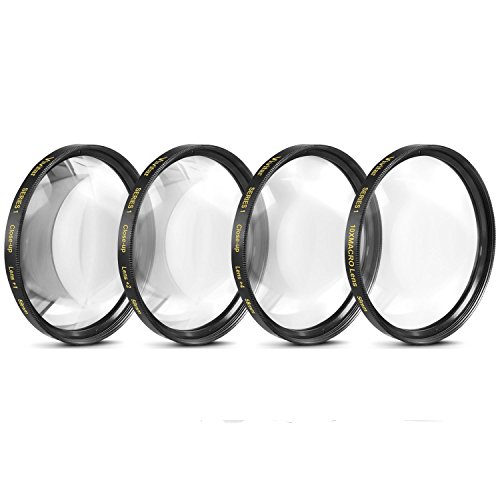
Note: This section intentionally includes a fifth example to illustrate typical macro filter features. The set provides four diopters to adjust magnification levels, making it easy to capture varied details across a range of subjects. Built for versatile use with multiple camera brands, it emphasizes making macro photography accessible to a broad user base.
Buying Guide: Key Considerations For 58mm Close-Up Filters
Macro lighting and subject distance are central to choosing the right close-up filter set. Here are practical factors to compare:
- Magnification range and diopter strengths: More diopters increase magnification, but may narrow depth of field and require precise focusing.
- Optical quality: Look for glass elements, multi-coatings to reduce reflections, and chromatic aberration control to preserve color accuracy.
- Build quality: A sturdy aluminum frame with a flush interior helps prevent stray light and ensures durability in field use.
- Compatibility and stacking: Ensure the thread size matches your lens (58mm here) and read whether stacking is recommended for your filters.
- Versatility: Some sets include adapters for other thread sizes; if you work with multiple lenses, this can reduce gear needs.
- Portability: Pouches and compact packaging protect filters when traveling or shooting on location.
- Vendor reliability: Read reviews for consistency in image quality across different subjects (flowers, jewelry, insects, textures).
Comparative Scenarios
For beginners, a four-diode set with +1 to +10 provides a gentle ramp into macro work without overwhelming focusing. For enthusiasts, a higher-quality NiSi-style kit with apochromatic optics and adapter rings offers sharper results and broader compatibility. If budget is a primary concern, a basic Vivitar or GREEN.L set can deliver usable macro effects, especially when paired with good lighting. Always test combinations on your most-used lenses and remember that close-up filters behave differently from dedicated macro lenses, particularly in edge sharpness and color rendition.
Additional Tips For Best Results
- Use a stable shooting setup or tripod to minimize camera shake at higher magnifications.
- Work with ample, diffuse lighting to avoid harsh shadows and to preserve textural detail.
- Manual focusing tends to yield better results than autofocus at extreme close distances.
- Experiment with distance to your subject; small changes can dramatically affect depth of field.
- Keep filters clean and free of fingerprints to avoid image softening.