Best 55-200mm Lenses for Versatile Zooms
The 55-200mm zoom range offers a compact telephoto option that covers everything from portraiture to travel. This guide highlights five well-rounded lenses across Nikon, Canon, and Fujifilm that fit the 55-200mm niche, balancing reach, weight, and optical quality. Each lens is suitable for APS-C bodies and is backed by features like image stabilization and fast autofocus. The selections emphasize value, durability, and compatibility with modern DX and mirrorless systems, making them solid choices for hobbyists and enthusiasts alike.
| Brand | Model | Mount Type | Focal Range | Notable Feature |
|---|---|---|---|---|
| Nikon | 55-200mm VR DX Nikkor Zoom Lens | Nikon F-Mount DX | 55-200mm | VR; ED glass; Silent Wave AF |
| Nikon | 55-200mm VR DX (Renewed) | Nikon F-Mount DX | 55-200mm | Renewed; VR; ED glass |
| Canon | EF-M 55-200mm f/4.5-6.3 STM (Renewed) | Canon EF-M | 55-200mm | Image Stabilization; STM AF |
| Nikon | 55-200mm f/4-5.6G ED Auto Focus-S DX | Nikon F-Mount DX | 55-200mm | Ultra-compact; ED elements |
| Fujifilm | XF 55-200mm f/3.5-4.8 R LM OIS Zoom | Fujifilm X-Mount | 55-200mm | OIS; optimized for X-series |
Nikon 55-200mm VR DX Nikkor Zoom Lens

Key features include a 55-200mm zoom range with an f/4-5.6 maximum aperture designed for Nikon digital SLRs. The lens uses two extra-low-dispersion (ED) glass elements to reduce chromatic aberration and improve overall sharpness. The Silent Wave Motor enables quick and quiet autofocus, which is advantageous for candid shots and video work. At about 9 ounces, the lens remains lightweight for travel and street photography. The VR (Vibration Reduction) helps stabilize imagery when shooting handheld in lower light or at longer focal lengths. Overall, this lens offers a compact telephoto option within the Nikon DX ecosystem.
Ideal uses include portraits, travel documentary, and family events where a versatile zoom is preferred without a heavy, high-cost lens. Build is suited to beginner and intermediate shooters who prioritize portability and stabilization alongside decent image quality across the zoom range.
Nikon 55-200mm VR DX Lens (Renewed)
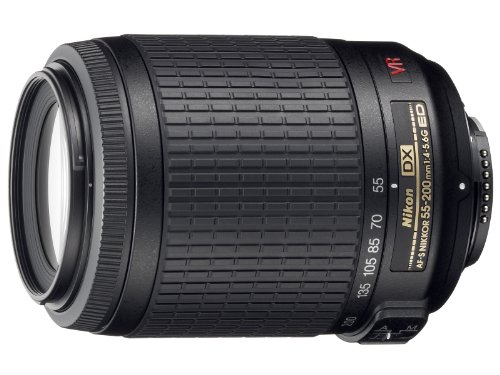
This renewed Nikon lens mirrors the same focal range and optical design as the fresh unit, offering value for buyers who want Nikon’s VR stabilization and compact telephoto reach at a lower upfront cost. It uses two ED glass elements to curb chromatic aberration, and an Silent Wave Motor for quiet autofocusing. The lens remains light and portable, well-suited for travel photography and everyday shooting with Nikon DX bodies. Like most renewals, it comes with a warranty and inspected condition to ensure reliable performance.
Pros include easy handling, effective VR in real-world handheld shooting, and compatibility with a broad range of Nikon DX-format bodies. Potential downsides involve the renewal status and the need to confirm shipment condition before purchase.
Canon EF-M 55-200mm f/4.5-6.3 STM (Renewed)

Canon’s EF-M 55-200mm offers a versatile telephoto range for Canon’s mirrorless EOS M lineup. The f/4.5-6.3 aperture keeps the lens compact and lightweight, while built-in image stabilization helps combat shake at longer focal lengths. The STM motor provides smooth and near-silent autofocus, which is beneficial for both stills and video. Renewed units provide a cost-effective option with a warranty. This lens suits travel and portrait scenarios on Canon’s newer mirrorless systems where a compact telephoto is desirable.
Considerations include camera compatibility (EF-M mount), the limited maximum aperture at the longer end, and how this lens fits within a Canon-mirrorless starter kit or a more compact travel setup.
Nikon 55-200mm f/4-5.6G ED Auto Focus-S DX (White Box)

This compact Nikon DX lens is designed for Nikon Digital SLR models with a 55-200mm focal range and an f/4-5.6 maximum aperture. It’s marketed as ultra-compact for easy handling and portability, making it a practical choice for travel and on-the-go photography. The ED glass elements help minimize chromatic aberration, while the internal focusing mechanism contributes to steady handling during telephoto work. The lens is suitable for beginners seeking an affordable yet capable telephoto option for Nikon DSLRs.
Users should weigh the benefits of its compact design against potential compromises in low-light performance at the longer end, given the variable aperture. It remains a strong choice for those who value light weight and budget-friendly telephoto reach.
Fujifilm XF 55-200mm f/3.5-4.8 R LM OIS Zoom (Renewed)

The Fujifilm XF 55-200mm f/3.5-4.8 is tailored for Fujifilm X-series mirrorless cameras, offering an extended telephoto reach in a compact form. The lens features Optical Image Stabilization (OIS) to counter shake at telephoto lengths and a fast autofocus system driven by the lens’s internal motor. Its design optimizes corner-to-corner sharpness within the X-mount ecosystem, delivering solid performance for travel, street photography, and portrait work on Fujifilm bodies. Renewed units provide a cost-effective option with warranty coverage for budget-conscious buyers.
Considerations include compatibility with your Fujifilm camera, handling of autofocus in low light, and the balance of reach versus size for your typical shooting scenarios.
Buying Guide
Choosing a 55-200mm lens depends on your camera system, typical subjects, and budget. Here are key factors to consider:
- Mount compatibility: Confirm the lens mount (Nikon F, Canon EF-M, Fujifilm X) with your camera body. Compatibility determines autofocus performance and electronic communication.
- Image stabilization: VR or IS helps when shooting handheld at longer focal lengths. Stabilization is especially valuable for portraits and travel photography in low light.
- Optical design: ED elements reduce chromatic aberration for sharper images. Lenses with ED glass often deliver crisper results across the zoom range.
- Autofocus performance: Silent and fast AF is important for action, street, and video. Nikon’s Silent Wave Motor and Canon’s STM are examples of deliberate AF design.
- Weight and size: 55-200mm zooms are a balance between reach and portability. Lighter options are ideal for travel, while sturdier builds suit more demanding use.
- New vs renewed: Renewed lenses provide savings but may have shorter warranties. Ensure the seller’s warranty and return policy align with your needs.
- Compatibility with future gear: If you plan to upgrade bodies, verify how well a given lens integrates with newer camera features and formats.
- Budget vs value: Compare optical quality, stabilization, and build against price. In many cases, mid-range telezooms offer the best value for everyday use.
In practice, match the lens to your camera ecosystem and your typical shooting scenarios—portraits, travel, and everyday telephoto tasks often benefit most from a well-balanced 55-200mm zoom. For those prioritizing portability and stabilization, options with VR/IS and compact design tend to deliver the best overall experience across brands.