Best 55-200 Mm Lens Options for Nikon, Canon, and Fujifilm in 2026
Choosing a 55-200 mm lens helps extend your reach for portraits, sports, and travel photography without sacrificing portability. This article highlights five well-rounded zoom options across Nikon, Canon, and Fujifilm, focusing on optical performance, autofocus, stabilization, and compatibility with mirrorless and DSLR bodies. Each lens offers a practical focal range, image stabilization, and compact design, making them suitable for travel and everyday shooting.
Summary of selected products:
| Brand | Model | Mount Type | Notes |
|---|---|---|---|
| Nikon | 55-200mm f/4-5.6G ED AF-S DX VR | DX (APS-C) | VR, Silent Wave Motor, compact |
| Nikon | 55-200mm f/4-5.6G ED AF-S DX VR (Renewed) | DX (APS-C) | Renewed option with warranty |
| Canon | EF-S 55-250mm f/4.0-5.6 IS II | EF-S | IS II, versatile telephoto for APS-C |
| Canon | EF-M 55-200mm f/4.5-6.3 IS STM | EF-M | Mirrorless with stabilization |
| Fujifilm | XF 55-200mm f/3.5-4.8 R LM OIS | X Mount (Fujifilm) | Optical image stabilization |
Nikon 55-200mm f/4-5.6G ED AF-S DX VR (Renewed)
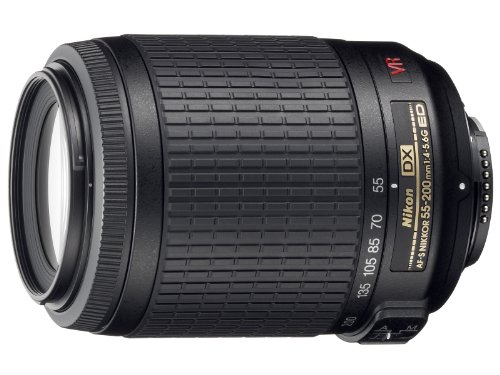
The Nikon 55-200mm f/4-5.6G ED AF-S DX VR is a compact telephoto zoom designed for Nikon DX-format DSLRs. It features two extra-low-dispersion elements to reduce chromatic aberration and improve sharpness. A Silent Wave Motor provides quick, quiet autofocus, while built-in Vibration Reduction helps stabilize shots at longer focal lengths. Weighing about 9 ounces, this lens balances well with travel-friendly camera bodies and offers a practical range for portraits and distant subjects.
Key features include the 55-200mm zoom range, f/4-5.6 maximum aperture, ED glass elements for clarity, and VR stabilization. It is compatible with Nikon DX bodies and is widely used as an affordable upgrade for APS-C users seeking more reach without a heavy lens lineup.
Nikon 55-200mm f/4-5.6G ED IF AF-S DX VR

This version emphasizes the same core capabilities: a 55-200mm focal range, ED elements for improved image quality, and Silent Wave Motor autofocusing with VR stabilization. The lens is marketed as a lightweight, travel-friendly option that delivers solid performance for everyday Nikon photography on a budget. Its compact build makes it a natural partner for beginner and enthusiast DSLRs alike.
Canon EF-M 55-200mm f/4.5-6.3 IS STM Lens

Designed for Canon’s EF-M mount mirrorless cameras, this 55-200mm lens covers a versatile telephoto range with a modest maximum aperture. It incorporates optical image stabilization and stepping motor (STM) focusing to deliver smooth autofocus during video and still photography. The compact build is well-suited for travel and street shooting on Canon’s smaller-format bodies, offering a balanced option for enthusiasts using APS-C mirrorless systems.
Canon EF-S 55-250mm f/4.0-5.6 IS II Telephoto Zoom Lens

The Canon EF-S 55-250mm f/4.0-5.6 IS II is a widely used telephoto zoom for APS-C Canon DSLRs. It features a 55-250mm focal range with image stabilization to counter camera shake, a compact design, and a front-friendly focusing mechanism. The lens is part of Canon’s EF-S lineup and is well-suited for portraits, travel, and wildlife shooters who need longer reach without carrying heavy glass.
Canon EF-S 55-250mm f/4.0-5.6 is II Telephoto Zoom Lens

This older-for-renewal model emphasizes a consistent telephoto range with interior focusing and a UD-glass element for image quality. It is a practical option for Canon shooters looking to extend their reach on a budget, particularly for portraits and distant subjects on APS-C bodies. It remains widely compatible across severalCanon DSLR generations.
Canon 55-200mm EFM f4.5-6.3 IS STM Lens

Another Canon option for EF-M mount mirrors, this lens covers 55-200mm with a modest f/4.5-6.3 aperture and STM for smooth autofocus. The IS feature helps stabilize handheld shots, making it a sensible choice for travel or documentary-style shooting with compatible Canon mirrorless bodies. The compact design complements the lighter EF-M camera lineup for grab-and-go photography.
Fujifilm XF 55-200mm f/3.5-4.8 R LM OIS Zoom Lens

The Fujifilm XF 55-200mm is designed for X-series mirrorless cameras, offering a broad focal range equivalent to 83-300mm in 35mm format. It features optical image stabilization and a fast zoom mechanism with linear motors for quick, silent focus. This lens is a versatile option for portraits, wildlife, and travel photography on Fujifilm’s compact, high-quality mirrorless bodies.
Buying Guide: Key Purchase Considerations
When selecting a 55-200 mm lens, consider compatibility with your camera system, intended use, and balance with your camera body. Key factors include:
- Mount and compatibility: Ensure the lens matches your camera’s mount (Nikon F, Canon EF-S, Canon EF-M, Sony E-like in other lines, or Fujifilm X).
- Stabilization: Image stabilization helps in low-light and at longer focal lengths. Compare IS/VR/OSS features across models.
- Aperture range: A wider maximum aperture (lower f-number) improves light gathering and background blur but often adds weight and cost. 55-200mm lenses typically range from f/4 to f/6.3 depending on the mount.
- Optical elements: Look for ED or UD elements to reduce chromatic aberration and improve sharpness across the zoom range.
- Autofocus system: Silent or fast AF mechanisms benefit action and video work. Consider STM or ultrasonic motors when low noise is important.
- Weight and size: Travel-friendly lenses are lighter and smaller, but check whether the trade-off is image quality at the long end.
- Lens compatibility with cropped sensors: APS-C or DX-format lenses are designed for smaller sensors, delivering effective focal lengths around 1.5x to 1.6x the listed range.
- Condition and warranty: Renewed or refurbished options can save money but verify warranty length and seller reliability.
Comparison at a Glance
Across brands, these lenses offer a similar telephoto reach with stabilization and lightweight builds. Nikon and Canon options often prioritize compactness and VR/IS performance, while Fujifilm’s XF version emphasizes compatibility with X-series autofocus and stabilization. For Canon mirrorless lineups, EF-M and EF-S options provide transitions between early and newer bodies, with varying stabilization features. Nikon’s DX lenses are robust choices for APS-C DSLRs, delivering reliable autofocus and reach for travel or sports photography.
Notes on Language and Usage
This article presents options for a range of camera systems. Readers should verify the exact mount compatibility with their camera body and confirm availability, as stock and renewal status can vary. The listed features reflect the primary selling points provided by manufacturers and retailers at publication time.