Choosing the right memory card for 4K video involves speed, capacity, and reliability. The following five cards are selected for a range of cameras and workflows, from entry-level 4K to professional cinema setups. They balance fast read and write speeds with capacities from 128GB to 256GB to support extended recording and rapid offloads. The table below highlights core specs to help you compare at a glance.
| Product | Capacity | Key Speeds |
|---|---|---|
| SanDisk Extreme PRO UHS-I 128GB | 128GB | Up to 200 MB/s read, up to 90 MB/s write |
| Gigastone 128GB Pro 4K Card | 128GB | Up to 100 MB/s transfer |
| SanDisk Extreme 256GB UHS-I | 256GB | Up to 180 MB/s read, up to 130 MB/s write |
| SanDisk Extreme PRO UHS-II 128GB | 128GB | V60; Up to 100 MB/s write; Up to 100 MB/s read |
| Lexar 256GB Professional UHS-I | 256GB | Up to 205 MB/s read, up to 140 MB/s write |
SanDisk Extreme PRO UHS-I 128GB SD Card
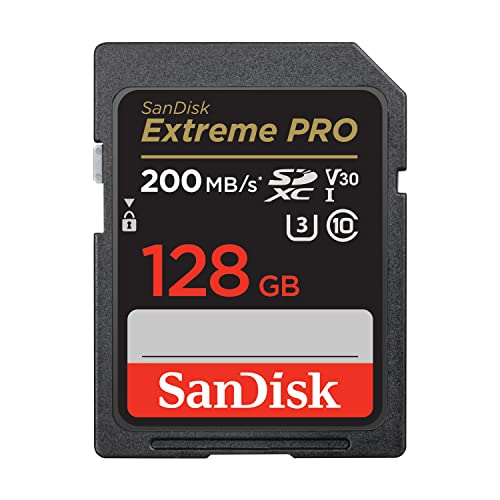
The SanDisk Extreme PRO SDXC UHS-I 128GB card is built for demanding 4K workflows. It offers up to 200 MB/s read speeds and 90 MB/s write speeds, powered by SanDisk QuickFlow Technology. With C10, U3, and V30 ratings, it supports smooth video capture and sustained bursts in compatible cameras. This card excels when paired with readers and devices that can harness the higher speeds. Real-world performance varies with host devices and usage conditions, but the card remains a solid choice for enthusiasts and semi-professional setups.
SanDisk highlights compatibility with the SanDisk Professional PRO-READER SD for maximum throughput. While the spec sheet shows impressive speeds, actual results depend on the camera, card reader, and workflow. For vloggers and creators shooting 4K, this card provides reliable performance and a compact 128GB footprint ideal for on-the-go shoots without frequent swaps.
Gigastone 128GB Pro 4K Card

Gigastone’s 128GB SD Card targets dependable 4K capture with a straightforward speed profile. It offers up to 100 MB/s data transfer, making it suitable for everyday 4K video and high-resolution stills. The card is a full-sized SD card (32mm x 24mm) and ships with a compact case to protect it during travel. While not the fastest on the market, it provides reliable performance for hobbyists and enthusiasts who prioritize steady throughput and practical value in standard 4K workflows.
With an A1 rating for app performance and Canon camera compatibility noted in the product features, this card supports common workflows without demanding specialized hardware. The included case adds durability for field work, and the 128GB capacity balances cost with sufficient space for longer sessions. For those starting 4K video or shooting in controlled environments, this Gigastone offering is a practical option.
SanDisk Extreme 256GB UHS-I SD Card

SanDisk’s 256GB Extreme SDXC UHS-I card combines generous capacity with solid 4K performance. It supports up to 180 MB/s read speeds and up to 130 MB/s write speeds, powered by SanDisk QuickFlow Technology. The card carries C10, U3, and V30 ratings for reliable video capture and burst shooting. For higher throughput, pairing with the SanDisk PRO-READER SD can help maximize transfer speeds, though real-world results vary with device compatibility and workflow. Its large capacity makes it well-suited to longer shoots or RAW sequences in 4K environments.
This card is designed for mainstream to advanced 4K use where balance matters: capacity, speed, and price. It appeals to videographers who need ample space for recordings without frequent swapping and want dependable offload performance on compatible readers and cameras that can sustain the speeds claimed in testing.
SanDisk Extreme PRO UHS-II 128GB SD Card

SanDisk’s 128GB Extreme PRO SDXC UHS-II card is aimed at professionals who require sustained high-speed recording. It features a Video Speed Class 60 rating (V60) and a UHS-II interface to support real-time capture for 4K UHD and higher. It offers up to 100 MB/s read and write speeds in tested conditions, with the UHS-II interface enabling faster data transfer to compatible readers. This card is best suited for cinema-style workflows or MIL cameras that push high bitrates and need reliable, continuous write performance.
Compatibility varies by host device, so verify that your camera or camcorder supports UHS-II and V60 speeds for maximum benefit. While it provides strong sustained performance, real-world results depend on firmware, formatting, and how the workflow software handles large video files during editing and archiving.
Lexar 256GB Professional SD Card

Lexar’s 256GB Professional Silver SD Card delivers a strong balance of capacity and performance for 4K workflows. It offers up to 205 MB/s read speeds and up to 140 MB/s write speeds, with ratings of UHS-I, C10, U3, and V30. This combination supports 4K video recording at 60FPS and rapid offloads for editors, making it a robust choice for professionals who need reliable performance without stepping up to the more expensive UHS-II solutions. The 256GB capacity reduces the need for frequent swaps on longer shoots.
Lexar emphasizes broad compatibility across cameras and readers. The card’s speed profile aligns well with many modern 4K cameras, though actual performance depends on the host device’s capabilities. It represents a practical option for those seeking high throughput with solid endurance and a favorable price-to-capacity ratio.
Buying Guide
When choosing memory cards for 4K production, several factors shape the best pick for your setup. Understanding speed classes, interface types, and camera compatibility helps you avoid bottlenecks and dropped frames. The following considerations cover multiple perspectives—from pros needing cinema-grade reliability to hobbyists seeking dependable, budget-friendly options.
Speed Class And Camera Requirements
High-bitrate 4K recording benefits from cards with established speed ratings. Look for U3 or higher and Video Speed Class ratings like V30 or V60 for steady real-time recording. UHS-II cards can deliver higher peak throughputs, but only if the camera and reader can utilize them. For many entry-to-midlevel 4K setups, a reliable UHS-I card with V30 delivers solid performance. For professional cinema or high-frame-rate capture, UHS-II with V60 may be worth the extra cost if your devices support it.
Capacity And Recording Length
Capacity determines how long you can shoot before swapping cards. 128GB cards work well for shorter shoots or episodic content, while 256GB cards reduce interruptions on longer sessions. If you frequently shoot RAW or multi-burst sequences, prioritize larger capacities to minimize downtime between takes. Always consider your typical recording duration, current camera bitrate, and whether you plan to back up footage on set to editorial workspaces.
Device Compatibility And Form Factor
Not all cameras saturate the same speeds. Verify your camera’s supported card types and speeds—some models perform best with UHS-I, others with UHS-II. Read the host device’s manual or manufacturer pages to confirm read/write capabilities and supported Video Speed Class. Also consider the reader or adapter, as the bottleneck often lies in the transfer hardware. A fast reader paired with a capable card can dramatically reduce offload times and keep editing workflows efficient.
Reliability And Data Recovery
Reliability matters in professional workflows. Some cards and brands offer value-added services, such as data recovery guarantees or long warranty coverage. When shooting high-stakes projects, consider whether the card brand provides recovery options, robust data protection, or extended warranty. Always format cards in-camera or with trusted tools and maintain a solid backup plan to protect important footage.
Practical Selection Tips
- For maximum 4K throughput on compatible gear, choose a V60-rated UHS-II card; pair with a reader that supports high-speed transfers.
- For mainstream 4K work, a 256GB UHS-I card with V30 can balance space, speed, and cost effectively.
- Budget-conscious shoots can benefit from 128GB or 256GB UHS-I cards with solid write performance and reliable offloads.
- Consider cards offering data recovery services or extra durability if you frequently shoot in challenging environments.
- Always match the card to your camera’s speed capabilities to avoid underutilizing a fast card or overwhelming a slower reader.