Best 42mm vs 50mm Binoculars: A Practical Guide for Shoppers
Choosing between 42mm and 50mm binoculars depends on what you value most: light gathering, field of view, and portability. This guide compares five well-rounded options to help you pick the right size for your needs, whether you’re birding, stargazing, or enjoying outdoor adventures. The top picks here are best for different buyers: casual observers favor compact 42mm models; travelers and wildlife watchers may prefer 50mm for brightness; and hikers or eclipse chasers often balance weight with performance.
Summary of selected products
| Product | Magnification / Objective | Why It Stands Out |
|---|---|---|
| Vortex Triumph HD 12×50 | 12x / 50mm | Excellent brightness and rugged build for long-distance viewing |
| Celestron Outland X 10×50 | 10x / 50mm | Balanced, versatile for outdoor use and birding |
| Leupold BX-4 Pro Guide HD 10×50 | 10x / 50mm | Premium optics in a lightweight, ergonomic design |
| Carson RD Series 8×42 Open-Bridge | 8x / 42mm | Open-bridge design with waterproof and fogproof performance |
| Celestron Cometron 7×50 | 7x / 50mm | Beginner-friendly astronomy binoculars with a wide sky view |
Vortex Triumph HD 12×50 Binoculars
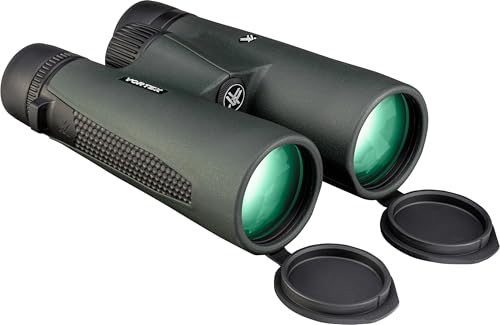
Best for long-distance viewing where brightness and detail matter. The 12x magnification delivers close-up views of distant subjects, while the 50mm objective lenses gather ample light for clearer images in dawn or dusk. The fully multi-coated optics improve brightness, contrast, and color fidelity, making landscapes, wildlife, and sports scenes easier to distinguish. The rubber-armored chassis provides a secure grip and rugged durability for outdoor use.
Who it’s for: outdoor enthusiasts who need strong light gathering and rugged construction. This model excels for birders tracking distant species and for travelers who want detailed long-range observations. Caution: higher magnification can reduce stability; a steady hand or tripod mount is recommended for extended viewing.
Celestron Outland X 10×50 Binoculars

Best for general outdoor use, including birding, hiking, and travel. The 10×50 configuration balances magnification with a broad field of view, helping track birds or wildlife in motion. The 50mm objective lenses boost light collection for brighter scenes, and multi-coated optics enhance transmission for clearer scenes. The design emphasizes portability and weather resistance, suitable for varied outdoor conditions.
Who it’s for: hikers and casual observers seeking dependable performance at a comfortable weight. Limitation: not optimized for extreme low light; it’s best used in daylight or well-lit environments.
Leupold BX-4 Pro Guide HD Binoculars 10×50

Best for serious outdoor watchers who value premium optics and ergonomic design. The 10×50 configuration offers an excellent balance of magnification and brightness. Guard-ion lens coating helps shed water, dirt, and fingerprints for a clearer image in challenging weather. The open-bridge, dual-hinge design keeps them lightweight and easy to hold for extended periods.
Who it’s for: serious birders, hunters, and nature observers who prioritize image quality and longevity. Caution: higher price point; the weight might be noticeable for long treks, though the design aims to minimize fatigue.
Carson RD Series 8x42mm Open-Bridge

Best for lightweight versatility and everyday use. The 8×42 configuration provides a stable viewing experience with a reasonable field of view, making them ideal for birding, travel, and general outdoor activities. Open-bridge design improves balanc e and ergonomics, while waterproof and fogproof construction helps in unreliable weather. The scope can be tripod-mounted for extended viewing when needed.
Who it’s for: casual observers and travelers who prioritize ease of use and weather resistance. Limitation: lower magnification means less detail at great distances compared with 50mm models.
Binoteck 10×42 HD Binoculars
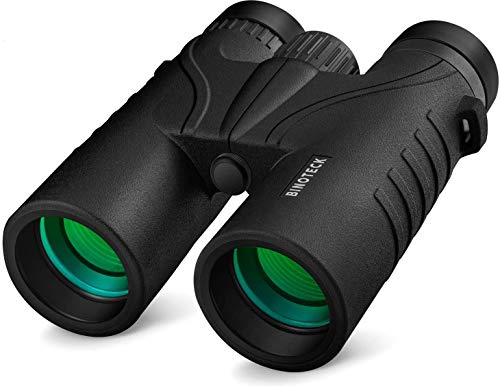
Best for compact performance with solid HD clarity. The 10×42 configuration offers a broad field of view and a comfortable balance of brightness and resolution. FMC lenses and BAK-4 prisms support sharp, vivid images, with a durable, rubberized finish for outdoor use. The design is notably portable, making it a versatile choice for travel or city sightseeing.
Who it’s for: buyers seeking a practical, mid-range option without heavy weight. Caution: not ideal for extremely low light or long-range astronomy; performance is most solid in daytime or well-lit settings.
Buying Guide
What matters most: objective diameter, magnification, and weight
Objective diameter (42mm vs 50mm) determines light-gathering ability. Larger apertures (50mm) provide brighter images in low light but increase weight and size. Magnification (7x–12x in these models) affects brightness perception and stability. Higher magnification can reveal more detail but requires steadier hands or support.
Field of view and balance
Smaller objective lenses often yield wider fields of view, making tracking birds or landscapes easier. For astronomy, 50mm models maintain brightness while offering reasonable portability. Consider your use case: birds near ground level benefit from wider FOV; distant wildlife benefits from stronger light gathering.
Optics quality and coatings
Multi-coated optics and BAK-4 prisms improve light transmission and image clarity. Look for models that mention full or multi-coating on all air-to-glass surfaces for better brightness and color fidelity in varied lighting.
Build, weather, and durability
Rugged rubber armor, waterproof and fogproof sealing, and nitrogen purging improve durability in outdoor environments. Open-bridge designs can improve grip and comfort, particularly for longer viewing sessions.
Weight, size, and portability
42mm models tend to be lighter and more compact, ideal for travel and hiking. 50mm models provide brighter images but can feel heavier after hours of use. If you hike long distances, consider a neutral weight with a tripod mount option.
What to choose by scenario
- Casual day trips or travel: 42mm or 50mm depending on preference for portability and brightness.
- Birding and wildlife at distance: 50mm with steady support, or 42mm with a wide field of view for quick scanning.
- Astronomy or stargazing: 50mm is typically preferred for brighter night views; beginner-friendly 7×50 or 10×50 options can be easier to use.
- Budget considerations: mid-range 42mm or 50mm models with good coatings offer strong value without excess weight.
FAQ
- Q: Are 50mm binoculars worth the extra weight over 42mm? A: Yes for brighter images in low light, but they’re heavier and less portable.
- Q: Is higher magnification always better? A: Not always. Higher magnification magnifies movement and reduces brightness unless optics are excellent and lighting is good.
- Q: What coatings matter most? A: Multi-coated or fully multi-coated lenses with good anti-reflective coatings improve brightness and color fidelity.
- Q: Should I choose open-bridge designs? A: Open-bridge can improve grip and reduce fatigue, especially in larger models, but may add cost.
- Q: Do I need waterproof and fogproof features? A: Yes for outdoor use in variable weather; nitrogen purging helps prevent internal fogging.