Best 35mm Slide and Negative Digital Converters for Preserving Old Photos
When you want to turn vintage 35mm slides and negatives into modern digital files, you need a reliable converter that’s easy to use and delivers clear results. This guide showcases five strong options suitable for different needs—from all‑in‑one scanners with large displays to compact, smartphone‑based solutions. The best picks here help crafters, hobbyists, and memory-preservation enthusiasts convert archival photos efficiently while keeping file quality in mind.
Top picks at a glance: the Kodak Slide N Scan is ideal for dedicated film archivists who want a built‑in display and broad film compatibility; DigitPro models offer straightforward 35mm conversion with quick feeds; Magnasonic provides a larger display and built‑in memory for standalone use; Wolverine delivers a high‑end 8‑in‑1 option for versatile formats; Kodak Scanza focuses on a simple, one‑touch workflow with multiple adapters. Use the summary table to compare core features and determine which matches your needs.
| Product | Best For | Key Benefit | Limitations |
|---|---|---|---|
| KODAK Slide N SCAN | Collectors needing LCD preview | 5” LCD, multiple film adapters | Requires SD card (not included) |
| Film and Slide Scanner – DigitPro | Everyday archiving | One‑touch scanning, 5” LCD | Internal memory limited |
| 35mm Film & Slide Scanner (2.4” LCD) | Compact, on‑the‑go use | Small footprint, TV‑out option | Smaller screen |
| DIGITNOW! 135 Film Negative Scanner | Budget friendly, simple setup | Standalone with SD card | Lower resolution compared to premium models |
| Magnasonic All‑in‑One 24MP | Versatile formats & large display | HDMI output for TV viewing | Requires external power for HDMI use |
KODAK Slide N SCAN Film & Slide Scanner

KODAK Slide N SCAN is designed to convert 135, 126, and 110 films and slides into 22MP JPEGs with a built‑in 5” LCD display for instant preview and editing. This model suits buyers who want a theatrical digital photo frame mode and easy direct saving to SD cards. Best for memory keepers who value a gallery-like viewing experience during digitization, and for those who want a single‑device workflow without a computer. A caution: SD cards are not included, so you’ll need to supply one for storing scans.
DigitPro Film and Slide Scanner

DigitPro’s all‑in‑one design digitizes 35mm/126/110 negatives and 50mm slides with a 5” LCD for real‑time preview. It supports saving to the built‑in memory or an external SD card up to 64GB (not included). This choice is better for users who want a straightforward, no‑computer workflow and a larger screen for quick checks. Best for families preserving a mixed collection of slides and negatives; limitation is limited built‑in storage, so plan for an SD card if you have many photos.
35mm Film & Slide Scanner with 2.4″ LCD

This DigitPro model focuses on compact, portable scanning with a 2.4” LCD and a fast slide feeder. It’s ideal for quick digitization of 135 negatives and slides with minimal setup. Choose this if you want a lightweight device that’s easy to carry and use without a computer. A potential limitation is the smaller display size, which may slow fine color matching for delicate restorations.
DIGITNOW! 135 Film Negative Scanner

DIGITNOW offers an affordable standalone option with an adjustable rapid slide feeder and SD card storage up to 32GB. It supports 1800DPI high resolution scans and can transfer to a computer or TV out for viewing. Best for budget‑conscious shoppers who want simple, quick conversion; limitation is that it may not deliver the highest resolution compared to higher‑end models.
Magnasonic All-in-One 24MP Film Scanner

Magnasonic combines 24MP digital conversion with a built‑in 5″ display and HDMI output for external viewing. It supports 35mm/126/110 and Super 8/135 formats, making it a versatile choice for larger archives. Best for users who want a high‑resolution capture and an HDMI option for bigger screens; note that HDMI viewing requires compatible equipment and power considerations for some setups.
Kodak SCANZA Digital Film & Slide Scanner
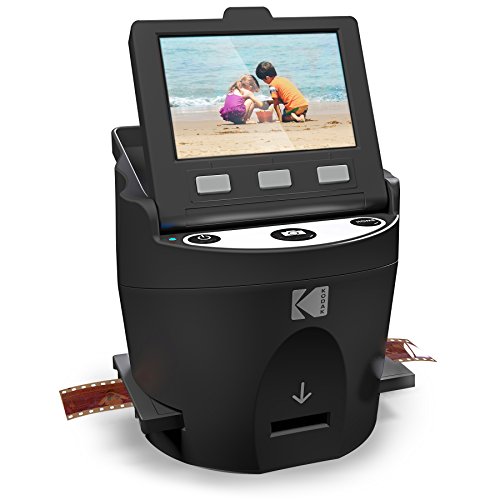
Kodak SCANZA specializes in converting 35mm, 126, 110, Super 8, and 8mm negatives and slides to JPEG with a 3.5” LCD display and a wide range of adapters for fast operation. It’s best for users who want a classic Kodak solution with quick one‑button scans and clear previews. A limitation is that it does not process films beyond the listed formats, so extended film types require a different device.
Mobile Film Scanner 35mm Slide & Negative

DigitConvert’s mobile scanner converts 35mm slides and 135 films into JPEGs via a dedicated smartphone app. It’s battery‑friendly and designed for on‑the‑go digitization. Best for users who want the flexibility to scan anywhere and share instantly through their phone. Limitation: the quality and features depend on the app and your phone’s camera alignment; not ideal for high‑volume archival work.
Buying Guide
What should you consider when choosing a 35mm slide and negative digital converter?
- Output quality: Look for higher megapixel ratings and reliable color reproduction. If detail and archival quality matter, favor devices with at least 22–24MP or higher and good dynamic range.
- Display and workflow: A built‑in LCD helps preview scans before saving. Larger screens simplify color adjustments and reduce post‑processing time.
- Media compatibility: Confirm which film formats are supported (35mm, 126, 110, Super 8, 8mm) and whether adapters are included.
- Storage options: Consider whether the device uses built‑in memory, accepts USB/SD storage, or supports HDMI output for viewing on a TV or monitor.
- One‑touch vs. manual controls: One‑touch scanning is convenient for bulk work; manual controls offer precise adjustments for color and brightness.
- Portability vs. capacity: Standalone units are portable and easy to use without a computer, while more robust scanners may offer higher quality but require more setup.
- Software and compatibility: If you need advanced restoration or editing, check whether bundled software provides color correction, dust removal, and easy export options.
Frequently Asked Questions
- Q: What is the best option for a beginner? A: A compact, standalone scanner with a 5” LCD and one‑touch scan feature, like DigitPro or Magnasonic, offers simple, fast results.
- Q: Do I need a computer to use these scanners? A: Some models are standalone and save to internal memory or SD cards; others transfer files to a computer via USB.
- Q: Is 22 MP enough for archiving? A: For most personal archives, 22 MP provides good detail; higher resolution devices offer more flexibility for large prints.
- Q: Can I view scans on a TV? A: Some models include HDMI or TV‑out features; check compatibility with your TV (NTSC/PAL) before purchase.
- Q: Are adapters included with all scanners? A: Many include basic slide and film adapters, but some may require purchasing extras separately.
- Q: Can these scanners handle Super 8 or 8mm film? A: Several models support Super 8 and 8mm formats; verify exact format support in the product description.