Best 35mm Film Developing Supplies for Home Darkrooms
For enthusiasts restoring and developing 35mm film at home, a well-chosen set of supplies can streamline processing, improve consistency, and protect your negatives. This article highlights five solid options that cover darkroom kits, film retrieval, cleaning tools, and digitizing capabilities, helping you optimize your workflow from development to preservation.
| Product | Brand | Notes |
|---|---|---|
| YCCLDIPL Darkroom Film Processing Equipment Kit | YCCLDIPL | Comprehensive starter kit with multi-format spirals and storage |
| Darkroom Developing Equipment Kit Film Processing 120 135 35mm Color B&W | eTone | All-in-one darkroom set with independent timer channels |
| JJC 35mm Film Retriever | JJC | Quick film head retrieval with safety features |
| JJC 35mm 120 Film Squeegee | JJC | Streak-free drying tool with soft silicone blades |
| KLIM K2 Mobile Film Scanner 35mm | KLIM | Digitizes negatives and slides to smartphone apps |
id=”yccldipl”>YCCLDIPL Darkroom Kit For Film Processing

The YCCLDIPL kit brings together essential darkroom components designed to handle 135/120 film processing in one package. It includes a dual-format film processing tank with two multi-format spirals, a safety-focused set of darkroom accessories, and practical measuring and timing tools. The kit is intended to facilitate uniform chemical flow and efficient rounds of development for up to two 135/35mm rolls or one 120 film roll per cycle, making it a strong option for beginners and seasoned hobbyists alike.
id=”edtone”>eTone Darkroom Developing Equipment Kit

The eTone kit emphasizes versatility with a 120/135 developing tank equipped with two spiral reels, plus a three-channel timer clock. It includes chemical bottles, a changing bag, gloves, and multiple measuring tools. Suitable for both color and black-and-white film, the tank configuration supports processing two 135/35mm reels or one 120 reel per cycle, and the timer offers independent operation for precise timing across steps.
id=”jjcretriever”>JJC Film Retriever For 35mm Cassettes

The JJC Film Retriever is a practical tool for quickly grabbing the film leader, minimizing handling time and reducing the risk of damage during cassette opening. Made from durable plastic, it features a simple, safe grip and a design focused on preserving negative integrity while speeding up the loading process in darkroom workflows.
id=”jjcsqueegee”>JJC 35mm 120 Film Squeegee

Designed for both 35mm and 120 negatives, this squeegee uses soft silicone blades to remove excess water without scratching films. It includes spare silicone strips for long-term use and offers an ergonomic grip to reduce hand fatigue during drying. This tool helps maintain flat, scratch-free negatives after washing prior to hang-drying.
id=”kitm”>eTone 35mm Film Cassette Opener

This darkroom tool focuses on convenient access to film cassettes when loading reels. It features a compact, ergonomic silhouette designed for comfortable use in tight darkroom spaces. Notes indicate careful handling due to sharp opening geometry, underscoring the need for steady hands during cassette removal in a dark environment.
id=”klim”>KLIM K2 Mobile Film Scanner
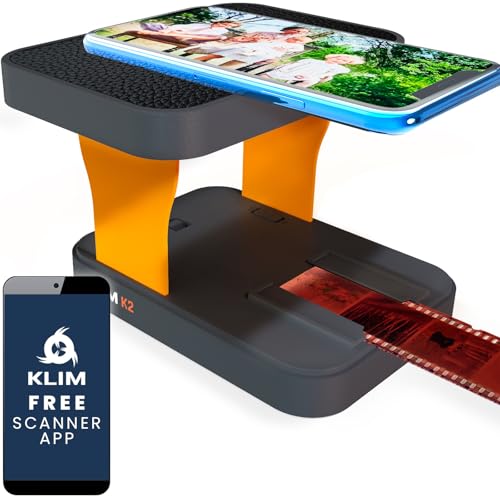
The KLIM K2 provides a compact solution to digitize 35mm negatives and slides, turning physical film into digital images for archiving or sharing. It supports viewing, scanning, and converting to smartphone formats with a companion app. A practical complement to traditional developing, the K2 helps preserve your work by creating readily shareable digital copies.
Buying Guide: Key Purchase Considerations
Scope and compatibility: Match kit contents with your film format (35mm, 120) and whether you process color, black-and-white, or both. Look for tanks with multi-format spirals and clear guidance on capacity per cycle.
Ease of use and ergonomics: For beginners, tools with simple operation, clear instructions, and durable materials reduce the learning curve. Independent timers with HR/MIN/SEC formats can improve workflow timing.
Durability and quality: Metal components or high-grade plastics tend to last longer under repeated washing and chemical exposure. Reusable components like spare blades or extra measuring tools extend kit life.
Safety and maintenance: Safety features—such as sensible handling guides and non-slip grips—help prevent accidents in the darkroom. Look for accessible spare parts or replacements (blades, caps, spacers).
Digitizing alongside developing: A film scanner or mobile digitizer complements film processing by preserving images in a digital format. Consider app ecosystems and file compatibility when choosing a scanner like the KLIM K2.
Budget and expansion: Start with a core kit and add compatible accessories as your workflow grows. Check for compatibility notes with popular brands (Paterson, etc.) to ensure component interchangeability.
By selecting a balanced mix of darkroom processing equipment, film retrieval tools, drying accessories, and a digitizing option, hobbyists can efficiently manage the complete lifecycle of 35mm film—from development to archival digital copies—within a home setup.