Selecting the right 35mm or 50mm prime lens can transform everyday shooting. These classic focal lengths strike a balance between wide context and flattering perspective, making them ideal for street photography, portraits, and travel. The following five lenses and camera setups represent a range of formats and budgets, from modern autofocus primes to a vintage film body with a classic 50mm lens. Each entry highlights key features, typical uses, and what to consider when buying. Use the overview table below to compare focal lengths, maximum apertures, and intended use at a glance.
| Product | Brand | Focal Length | Aperture | Notes |
|---|---|---|---|---|
| Canon EF 50mm f/1.8 STM Lens | Canon | 50mm | f/1.8 | Portraits, low light, compact |
| Vintage Canon AE-1 50mm Lens (Renewed) | Canon | 50mm | f/1.8 | Film photography, FD mount |
| Nikon AF-S DX NIKKOR 35mm f/1.8G | Nikon | 35mm | f/1.8 | DX format street and travel |
| Sony FE 50mm F1.8 Standard Lens | Sony | 50mm | f/1.8 | Compact full-frame prime |
| Pentax K1000 With 50mm Lens | Pentax | 50mm | — | Mechanical learning tool |
Canon EF 50mm f/1.8 STM Lens

The Canon EF 50mm f/1.8 STM is a compact, lightweight prime that delivers bright results in low light. With a 50mm focal length and an f/1.8 maximum aperture, it excels for portraits and scenes with shallow depth of field while remaining affordable. On APS-C bodies, the effective field of view is close to 80mm, making it a versatile standard lens for street and travel photography. The lens covers a horizontal angle of view around 40 degrees, vertical 27 degrees, and diagonal 46 degrees, with a close focus distance of 1.15 feet (0.35 meters) and a maximum magnification of 0.21x.
This lens is a popular entry point for beginners due to its balance of quality, size, and price. Its light weight and short focal length pair well with everyday carry. Native EF compatibility ensures broad camera support on Canon DSLRs and many mirrorless adapters, enabling easy upgrades from kit lenses.
Vintage Canon AE-1 50mm Lens (Renewed)

The Canon AE-1 is a classic 35mm SLR built around manual exposure control. This renewed unit includes a 50mm lens, reflecting the timeless “standard” focal length that suits portraits, street scenes, and everyday shooting. The Canon FD system uses full aperture metering and AE coupling, offering a tactile, hands-on shooting experience that remains appealing for film enthusiasts. The lens lineup for the FD mount is broad, providing options from f/1.8 to faster glass, making this setup a strong choice for learners exploring film photography.
Choosing a renewed body keeps costs down while preserving a dependable, mechanical workflow. This combination is best for hands-on learners who want to study exposure, focus, and composition without relying on modern autofocus systems.
Nikon AF-S DX NIKKOR 35mm f/1.8G Lens

The Nikon AF-S DX NIKKOR 35mm f/1.8G is a compact prime designed for Nikon DX-format DSLR bodies. With a 35mm focal length and bright f/1.8 maximum aperture, it offers excellent low-light performance and a natural perspective suitable for street, travel, and documentary work. The DX format yields a 52.5mm equivalent angle of view on a 24×16mm sensor. Features include rear focusing for quiet operation and a wide aperture range from f/1.8 to f/22, enabling sharp subject isolation and deep field control. The lens is lightweight and widely regarded as an affordable, versatile option for Nikon shooters.
Sony FE 50mm F1.8 Standard Lens
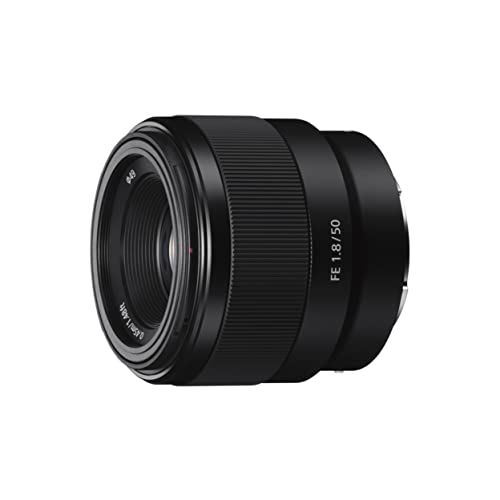
The Sony FE 50mm F1.8 is a compact, lightweight standard prime for Sony’s full-frame E-mount cameras. The large F1.8 maximum aperture provides excellent subject isolation and a natural perspective ideal for portraits and everyday photography. A 7-blade circular aperture helps create pleasing defocus and bokeh. The lens uses a modern build with a metal mount and a fast DC motor for quick, accurate autofocus, supporting a broad range of shooting styles from street to studio. Its compact size makes it a convenient travel lens for Sony shooters.
Pentax K1000 With 50mm Lens

The Pentax K1000 is a landmark 35mm SLR known for its straightforward, fully mechanical operation. The included 50mm lens provides a classic field of view suitable for learning essential photography skills. Because the K1000 is primarily mechanical, it does not rely on batteries for exposure control, though the light meter typically requires a battery. This makes it an excellent educational tool for practicing aperture, shutter speed, and focusing technique, while delivering reliable, timeless image quality for film enthusiasts.
Buying Guide
Choosing between 35mm and 50mm lenses hinges on several factors that affect field of view, depth of field, and compatibility. Consider your camera system, whether you shoot on film or digital, and your primary subjects.
- Camera format and mount: 35mm lenses shine on film bodies and full-frame cameras, while 50mm primes offer strong performance on both full-frame and crop-sensor bodies. For Nikon DX, the 35mm f/1.8G yields a versatile around-50mm equivalent; Canon APS-C users will see an ~80mm equivalent with the 50mm f/1.8 on those bodies.
- Low-light performance and depth of field: Aperture matters. Lenses with f/1.8 generally deliver bright images and pleasant bokeh. In dim settings, faster glass reduces ISO noise and shutter speed requirements while keeping subject detail.
- Autofocus vs manual operation: Modern autofocus primes are convenient for moving subjects, while classic film-era lenses (like the Canon FD or older Pentax setups) emphasize manual control and learning exposure and focus techniques.
- Build quality and weight: Primes at these focal lengths tend to be compact and light, making them ideal for travel. Some older mounts may require adapter considerations or limits on modern autofocus.
- Budget and availability: Newer lenses offer consistent performance and warranty. Vintage or renewed options can provide great value but may require additional care, especially on older film systems.
- Use-case alignment: For street photography, 35mm often provides broader context; for portraits with background separation, 50mm is a classic choice. For film lovers, a 50mm lens on a K1000 or AE-1 delivers a tactile, hands-on experience.
- Maintenance and compatibility: Confirm mount compatibility with your camera, and consider the availability of service and replacement parts, especially for older or rare lenses.
Across these options, intended use should guide your choice. A 50mm prime suits everyday portraits and general shooting, while a 35mm prime offers a wider field of view and is excellent for street scenes and environmental portraits. If you shoot both film and digital, consider systems that give you reliable autofocus, good image quality, and easy lens availability. The right lens is a balance of optical performance, ease of use, and how well it complements your shooting style.